Overview
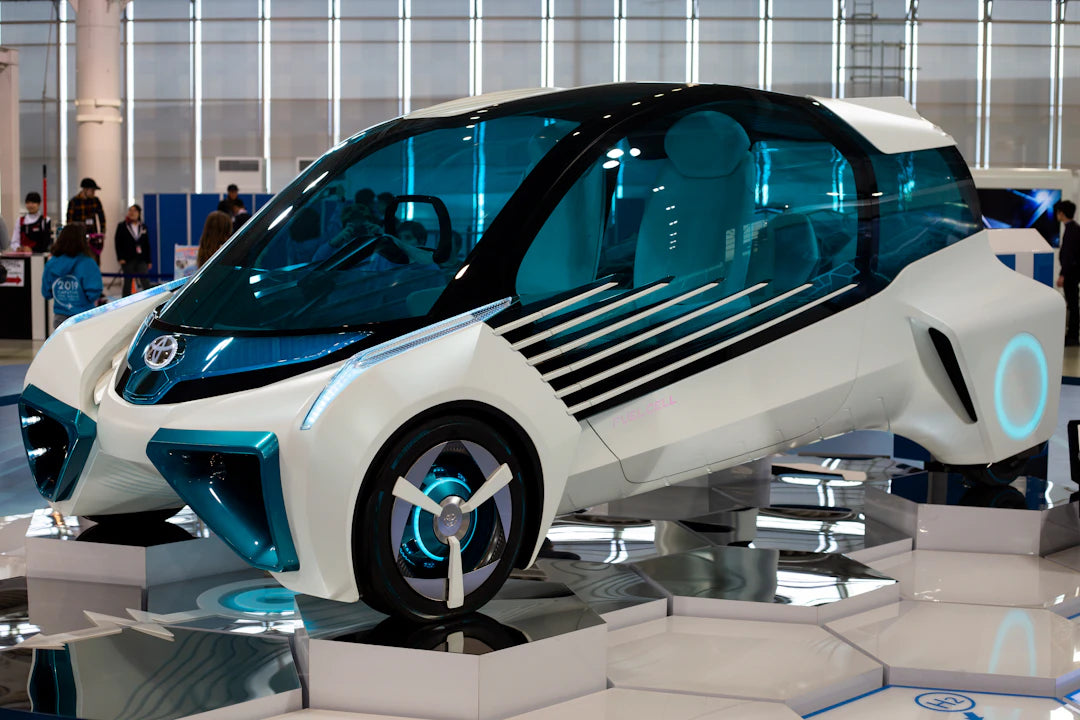
Hydrogen fuel cell vehicles (FCVs) use hydrogen to generate electricity through a chemical reaction, producing only water as an emission. They offer advantages like zero emissions, longer driving ranges, fast refueling, and high energy efficiency. However, challenges include limited refueling infrastructure, high production costs, and competition from battery electric vehicles. The future of FCVs looks promising with increased investment, integration with renewable energy, advancements in technology, and rising public awareness. Understanding FCVs is important for consumers considering sustainable transportation options.
Frequently Asked Questions
1. What are hydrogen fuel cell vehicles (FCVs)?
2. What are the advantages of hydrogen fuel cell vehicles?
3. What challenges do hydrogen fuel cell vehicles face?
4. How does hydrogen fuel cell technology work?
5. What does the future hold for hydrogen fuel cell vehicles?
The automotive industry is undergoing a transformation, and one of the most promising technologies at the forefront of this revolution is hydrogen fuel cell vehicles (FCVs). As the world moves towards sustainable energy solutions, understanding the potential of hydrogen fuel cell technology is essential for consumers and businesses alike. In this blog, we'll explore what hydrogen fuel cell vehicles are, their advantages, challenges, and the future they promise for the automotive landscape.
Understanding Hydrogen Fuel Cell Technology
Hydrogen fuel cell technology is among the most innovative advancements in automotive power sources. But what exactly is it? At its core, a hydrogen fuel cell generates electricity through a chemical reaction between hydrogen and oxygen, with water as the only by-product. This clean energy source is gaining traction as a viable alternative to conventional battery electric vehicles (BEVs) and internal combustion engine (ICE) vehicles.
How Do Hydrogen Fuel Cells Work?
To appreciate the advantages of hydrogen fuel cell vehicles, it's important to understand how they function:
- Hydrogen Storage: Hydrogen is stored in high-pressure tanks, which allows for significant driving range and quick refueling times.
- Electrochemical Reaction: In the fuel cell stack, hydrogen molecules (H2) enter the anode, where they are split into protons and electrons. The electrons create an electric current, while the protons move to the cathode.
- Water Emission: At the cathode, protons combine with oxygen from the air and electrons to form water (H2O), emphasizing the environmentally friendly nature of hydrogen fuel cells.
Advantages of Hydrogen Fuel Cell Vehicles
Hydrogen fuel cell vehicles offer a range of benefits that make them an attractive option for consumers and the environment alike:
1. Zero Emissions
The most significant advantage of hydrogen FCVs is their minimal environmental impact. The only emission produced during operation is water, making them an excellent choice for reducing air pollution and combating climate change.
2. Longer Driving Range
FCVs typically provide a greater driving range than battery electric vehicles. A single tank of hydrogen can often take a vehicle more than 300 miles, making them suitable for long-distance travel without frequent recharging.
3. Fast Refueling
Refueling a hydrogen vehicle takes about the same amount of time as filling up a conventional gas car—usually just a few minutes. This convenience is a significant advantage over battery electric vehicles, which can take much longer to recharge.
4. Energy Efficiency
Hydrogen fuel cells are highly efficient, converting about 60% of the energy in hydrogen to power the wheels, compared to an efficiency rate of about 20% for internal combustion engines. This means less energy is wasted in the process of propulsion.
5. Versatility
Hydrogen can be produced from various sources, including renewable energy, which means that hydrogen fuel can lead to a diversified energy portfolio. This versatility provides opportunities for industries beyond transportation, like power generation and industrial applications.
The Challenges Facing Hydrogen Fuel Cell Vehicles
Despite the many benefits, the widespread adoption of hydrogen fuel cell vehicles is not without its challenges:
1. Infrastructure Limitations
One of the primary hurdles is the lack of hydrogen refueling stations. Compared to electric charging stations, hydrogen infrastructure is currently limited, posing a barrier for potential FCV owners.
2. Production Costs
The production of hydrogen fuel—particularly through clean methods like electrolysis—can be expensive. This cost can hinder the development of a viable hydrogen economy unless technologies and processes become more efficient and affordable.
3. Energy Density Concerns
While hydrogen has a high energy density by weight, it has a low energy density by volume, necessitating high-pressure tanks for transport. This issue can complicate vehicle design and safety considerations.
4. Competition from Battery Electric Vehicles
The surge in popularity of battery electric vehicles presents stiff competition for hydrogen fuel cell vehicles. With advancements in battery technology and increased charging infrastructure, many consumers are gravitating toward BEVs.
The Future of Hydrogen Fuel Cell Vehicles
As the demand for cleaner transportation options continues to grow, many industry experts believe that hydrogen fuel cells will play a crucial role in the future of mobility. Here are several trends and potential developments to watch for:
1. Investment and Research
Governments and private companies around the world are investing heavily in hydrogen technology. From research into more efficient production methods to developing refueling infrastructure, these efforts aim to propel hydrogen forward as a mainstream energy source.
2. Integration with Renewable Energy
Hydrogen production through renewable sources like wind and solar is gaining traction. This integration could lead to a sustainable loop wherein clean energy generates hydrogen, which then powers clean vehicles, creating a significant reduction in carbon emissions.
3. Advancements in Fuel Cell Technology
Ongoing research into more efficient fuel cells and improved storage technologies will likely enhance the performance and affordability of hydrogen fuel cell vehicles. Innovations in nanotechnology and materials science are promising developments to keep an eye on.
4. Public Awareness and Adoption
As consumers become more environmentally conscious, awareness of hydrogen fuel cell technology will increase. Educational initiatives and advocacy for hydrogen infrastructure can facilitate a broader acceptance of FCVs in societal norms.
Why Hydrogen Fuel Cell Vehicles Matter for You
As a consumer contemplating a transition to greener transportation, understanding the potential of hydrogen fuel cell vehicles can help you make informed choices. Beyond personal environmental responsibility, considering your future vehicle options also involves evaluating economic factors, technological advancements, and the implications for your daily life.
1. Investing in the Future
By choosing hydrogen fuel cell vehicles, you’re not just opting for a mode of transport; you’re investing in a sustainable future. This decision creates demand for cleaner technologies and leads to industry shifts, incentivizing innovation.
2. Supporting Local Infrastructure
Supporting hydrogen vehicle initiatives means advocating for the expansion of refueling stations, driving local economies through job creation, and championing energy independence in your community.
3. Contributing to Global Change
Each time you consider the impact of your vehicle choice, you're contributing to a global shift towards a cleaner planet. Hydrogen fuel cell technology holds promise not only for societal transport but for bridging gaps in renewable energy applications.
Exploring Your Options
As you navigate the future of transportation, keeping an open mind about innovative technologies like hydrogen fuel cell vehicles can enhance your understanding of the evolving automotive landscape. By staying informed, you can make decisions that align with your values and lifestyle, paving the way for new advancements.
The road ahead for hydrogen fuel cell vehicles may seem winding and complex, but it is filled with potential breakthroughs that could redefine our approach to clean transportation. As the discourse around sustainable solutions continues, the journey towards a cleaner future is not just a possibility—it’s an imminent reality.
