Overview
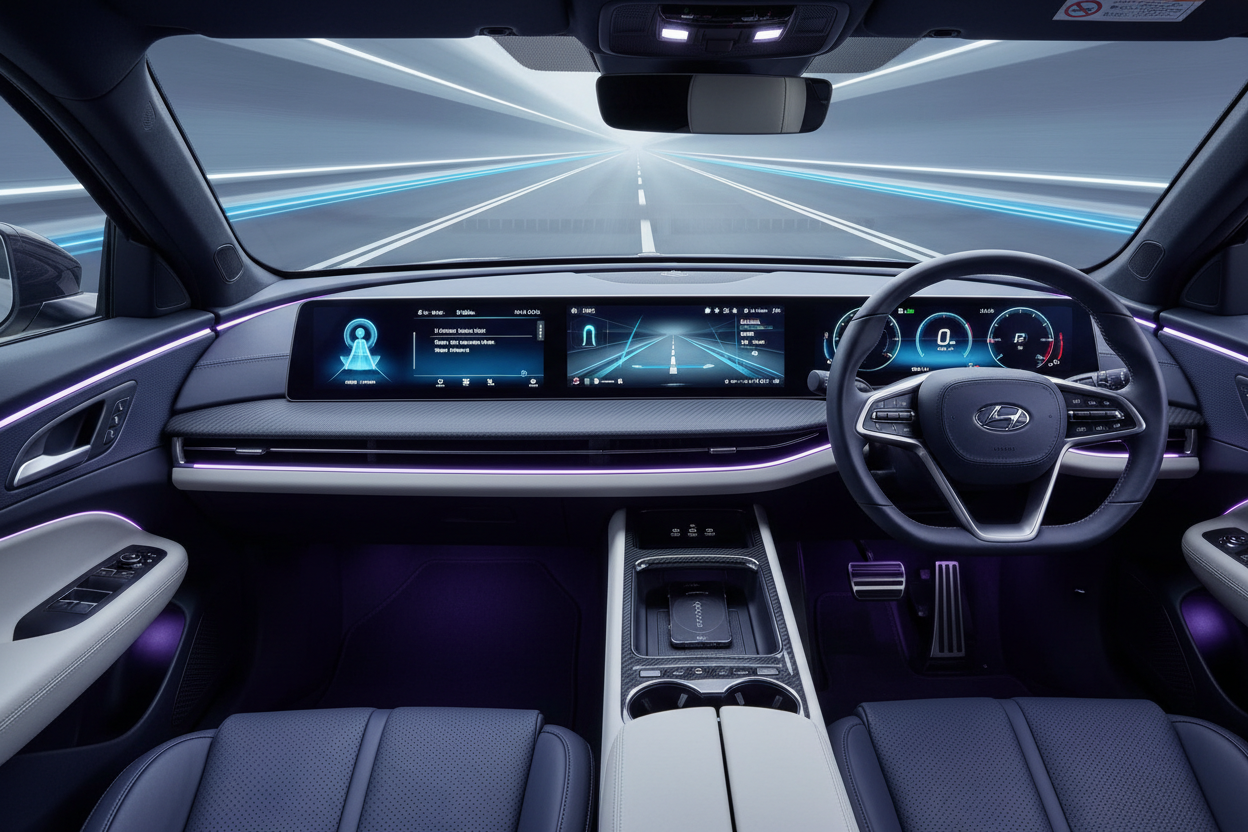
The automotive industry is rapidly evolving with advancements in in-car technology, transforming vehicles into smart, connected machines. Key trends include the rise of smart and autonomous cars, enhanced infotainment systems, electric vehicles, advanced safety features, and the integration of AI and augmented reality. As consumer expectations shift towards seamless and safe experiences, automakers must innovate to meet these demands while addressing data privacy concerns. The future promises safer, more enjoyable, and efficient travel experiences.
Frequently Asked Questions
1. What are smart cars and how are they changing transportation?
2. What role do connected vehicles play in improving safety?
3. How does autonomous driving enhance convenience?
4. What advancements are being made in infotainment systems?
5. How is data privacy being addressed in modern vehicles?
As we journey into an age defined by rapid technological advancements, the automotive industry stands at the forefront of innovation. With the integration of cutting-edge technology, today's vehicles are transforming into smart, connected machines that promise to enhance safety, convenience, and entertainment. This blog post explores the exciting future of in-car technology, discussing what we can expect and how it will shape our driving experience.
The Rise of Smart Cars
Smart cars are no longer the stuff of science fiction. In fact, they have already begun to change the way we think about transportation. Featuring a robust suite of sensors, cameras, and connectivity options, these vehicles can analyze their environment and make real-time adjustments. The concept of smart cars will continue to evolve as artificial intelligence deepens its integration into the automotive space.
Connected Vehicles: A New Era of Communication
Connected vehicles communicate with each other and they interact with infrastructure, creating a web of information that enhances safety and navigation. Vehicle-to-vehicle (V2V) and vehicle-to-infrastructure (V2I) technologies are set to revolutionize how we drive. Imagine your car alerting you of potential collisions before they happen or rerouting you based on real-time traffic data. The future is bright, indeed!
Autonomous Driving: The Ultimate Convenience
Self-driving cars are no longer just a vision for the future; they are being tested and deployed in various environments today. Autonomous driving technology seeks to take the wheel—quite literally—allowing passengers to relax and reclaim their time on the road. While legal regulations and technological challenges remain, advancements in this sector continue to progress at a brisk pace.
Safety First: Reducing Human Error
One of the most significant benefits of autonomous driving is the potential reduction in accidents caused by human error. According to the National Highway Traffic Safety Administration, approximately 94% of serious crashes are due to human mistakes. With autonomous technology, cars can respond to situations faster than humans, improving overall road safety.
Enhanced Infotainment Systems
The future of in-car technology is not only about safety but also about entertainment and convenience. The rise of enhanced infotainment systems is revolutionizing the driver and passenger experience. With features like voice recognition, app integration, and seamless smartphone connectivity, drivers can manage their music, navigation, and communications without taking their eyes off the road.
Voice Assistants: Driving with Ease
Imagine asking your car for directions or adjusting the temperature without lifting a finger. Voice-activated technology promises to make the driving experience more intuitive. Major players in the tech industry are working to integrate their voice assistants into vehicles, unlocking a new level of interaction between humans and machines.
Electric Vehicles and Sustainable Technology
The push for sustainability within the automotive industry is influencing the future of in-car technology tremendously. As electric vehicles (EVs) become more mainstream, innovations in battery technology and charging infrastructure will be crucial. The electric vehicle revolution is also driving advancements in other areas, such as regenerative braking systems that enhance efficiency.
Charging Infrastructure: A Greener Future
Finding a charging station will increasingly become as familiar to motorists as locating a gas station. Innovations in charging technology, including ultra-fast charging stations and wireless charging pads, are paving the way for a more convenient EV driving experience. Some futuristic concepts even include solar-powered roads that could contribute to the sustainability of electric vehicles.
Advanced Safety Features
As technology advances, so does the list of safety features available in cars. From automatic emergency braking to lane-keeping assist, vehicles are getting smarter. Manufacturers are at the forefront of enhancing vehicle safety systems with these features being designed to prevent accidents before they happen.
AI-Powered Safety Systems
Artificial intelligence plays a critical role in developing advanced safety features. AI can analyze vast amounts of data from sensors to determine the safest driving course of action. This technology already exists in several forms, such as adaptive cruise control and collision alert systems, but we can anticipate even more intricate systems in the near future.
The Role of Data Privacy
As we embrace the future of in-car technology, data privacy will become more significant. Vehicles today collect vast amounts of data about their drivers. The challenge lies in ensuring this data is safe and used responsibly. Equal parts exciting and concerning, the push for connected cars must also focus on robust data protection mechanisms.
Building Trust in Technology
Trust is paramount in the relationship between consumers and technology. Automakers must assure customers that their data will remain confidential and utilized solely to enhance the user experience. Transparency will be key in how businesses navigate these pressing privacy concerns and evolving regulations.
The Future of Vehicle Customization
Customization is a growing trend in the automotive industry, and technological advancements will only amplify this. In-car technology will allow users to personalize their driving experience dramatically. From adjusting the driving mode to changing ambient lighting and sound settings, drivers will soon be able to tailor their environment to suit their preferences.
Personalized Experiences with AI
AI will play a pivotal role in creating these personalized experiences. By learning individual preferences over time, vehicles will adapt to their driver. For instance, a car might adjust its settings based on previous trips or suggest routes based on the driver’s habits. This level of customization will make every drive unique.
The Evolution of Navigation Systems
Outdated navigation systems are being replaced by sophisticated tools that offer real-time updates, suggestions, and even alternative routes based on traffic patterns. Future navigation will likely incorporate augmented reality to overlay driving instructions directly onto the windshield, enhancing the way we view and interact with our environment.
Smart Navigation with Integrated AI
Smart navigation systems will not only provide directions but will also analyze variables such as traffic, weather, and local events to offer optimized routes. Updated live data will ensure that drivers always have the most relevant information at their fingertips, fundamentally redefining how we navigate the world.
The Integration of Augmented Reality
Augmented reality (AR) is not reserved for gaming anymore. The automotive industry is exploring ways to incorporate AR into vehicles, enhancing the driving experience. AR can be used to display navigation instructions, vehicle performance metrics, and even safety alerts on the windshield, allowing drivers to maintain focus on the road.
Improving Awareness with AR Technology
As AR technology matures, we can look forward to features that will aid in both navigation and heightened awareness of surroundings. This will empower drivers with crucial information, enabling them to make informed decisions quickly.
Evolving Consumer Expectations
With these advancements, consumer expectations are evolving rapidly. Today's drivers demand that their vehicles be more than just a means of transport; they want connected, smart, and safe experiences. Automakers must continuously innovate to meet these rising expectations, balancing technology and user-friendliness.
A Shift Towards a Seamless Experience
The automotive landscape is shifting towards a seamless experience where technology enhances every aspect of driving. As more consumers lean toward smart and electric vehicles, the automotive industry will need to adapt, offering solutions that meet these new demands.
What Lies Ahead: A Glimpse into the Future
While challenges still exist in the realms of technology, safety, and user data, the road ahead is undeniably paved with promise. The future of in-car technology is set to redefine how we travel, making journeys safer, more enjoyable, and more efficient. The exciting journey has only just begun!
As we witness these innovations unfold, it is vital for consumers to stay informed and engaged. The integration of technology in our vehicles will only deepen, and understanding these changes will empower us as drivers. Get ready to embrace the future—it's just around the corner!