
Overview
Autonomous vehicles are set to revolutionize mobility by enhancing urban transportation, improving road safety, reducing emissions, and creating new economic opportunities. They face challenges such as regulatory hurdles and public skepticism, but with proper collaboration and innovation, they promise a smarter, safer future for transportation.
Frequently Asked Questions
1. What are autonomous vehicles?
2. What are the levels of autonomy in vehicles?
3. How can autonomous vehicles impact urban mobility?
4. What are the environmental benefits of autonomous vehicles?
5. What economic changes may result from the introduction of autonomous vehicles?
As we march into the future of mobility, one of the most exciting developments is the rise of autonomous vehicles. Self-driving cars and trucks not only represent technological advancements but also pave the way for new societal norms and economic opportunities. In this blog post, we’ll dive deep into the role of autonomous vehicles in shaping the future of mobility, exploring the benefits, challenges, and implications for society at large.
Understanding Autonomous Vehicles
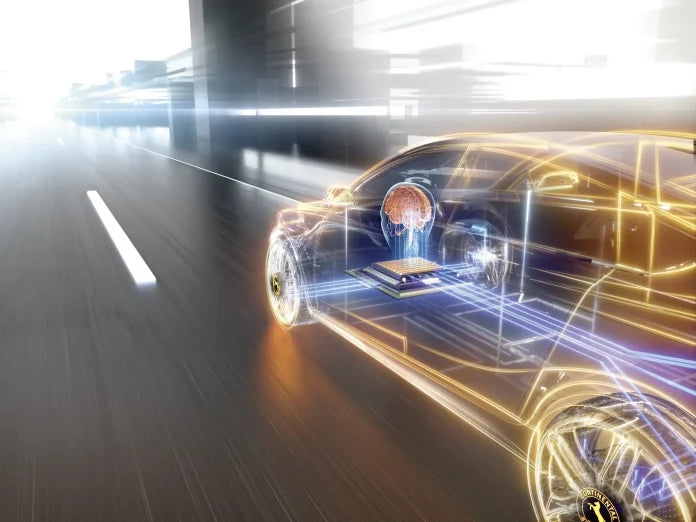
Before we explore the role of autonomous vehicles, let's clarify what they are. Autonomous vehicles are equipped with technology that allows them to navigate without human input. This technology includes sensors, cameras, artificial intelligence, and numerous algorithms that enable vehicles to understand their surroundings and make real-time decisions.
Levels of Autonomy
Autonomous vehicles are classified into six levels, from Level 0 (no automation) to Level 5 (full automation). Here’s a brief overview:
- Level 0: No automation; drivers must constantly control the vehicle.
- Level 1: Driver assistance; systems assist with steering or acceleration.
- Level 2: Partial automation; can control both steering and acceleration but requires human attention.
- Level 3: Conditional automation; vehicle can handle most driving tasks but requires human backup.
- Level 4: High automation; can operate independently in certain conditions without human intervention.
- Level 5: Full automation; no human input is needed, regardless of conditions.
The Impact on Urban Mobility
As city planners and governments seek solutions to modern transportation challenges, autonomous vehicles are poised to play a significant role in redefining urban mobility. Here’s how they could reshape the very fabric of our cities:
Reducing Traffic Congestion
One of the pressing issues in urban areas is traffic congestion. Autonomous vehicles can communicate with each other, optimize routes, and make precise maneuvers to reduce bottlenecks. This synchronization can lead to smoother traffic flow, minimizing delays and reducing frustration for commuters.
Enhancing Public Transportation
Autonomous shuttles and vans can supplement public transport systems, connecting remote areas with main transit hubs. By providing on-demand services that operate outside traditional schedules, these vehicles can offer greater convenience and accessibility, attracting more people to public transportation.
Improving Road Safety
Statistics reveal that the majority of traffic accidents are caused by human error. Autonomous vehicles, equipped with advanced safety features and real-time data processing, have the potential to drastically reduce accidents, thereby saving lives and reducing medical costs associated with road incidents.
Environmental Considerations
As we confront climate change and air pollution, the environmental impact of transportation comes under scrutiny. Autonomous vehicles can contribute positively in various ways:
Lower Emissions
Electric and autonomous vehicles can significantly lower greenhouse gas emissions. Their ability to follow optimal routes and maintain steady speeds means less fuel waste and fewer emissions overall. Moreover, the integration of autonomous technology ensures that these vehicles can drive efficiently, further minimizing their environmental footprint.
Shared Mobility Solutions
With autonomous vehicles, the concept of shared mobility gains more traction. By promoting ride-sharing platforms that utilize self-driving technology, we can reduce the number of cars on the road. Fewer vehicles mean less congestion, cleaner air, and better overall transport efficiency.
Economic Implications
The introduction of autonomous vehicles also brings about profound economic changes. Although it poses certain challenges, the potential for growth and innovation is immense.
New Job Opportunities
While the rise of autonomous vehicles may lead to job displacement in traditional driving roles, it also opens doors to new career paths in technology, engineering, and vehicle maintenance. Moreover, the burgeoning field of AI and robotics will create demand for skilled workers in developing and maintaining these systems.
Potential Savings
For consumers, autonomous vehicles can lead to significant cost savings. With reduced insurance rates (due to lower accident risks) and lower fuel expenses (thanks to optimized driving), owning an autonomous vehicle could become more economical over time. Businesses will also benefit from decreased logistics and transportation costs—improving bottom lines while providing better services.
Challenges on the Road Ahead
Despite the considerable advantages, the transition to a world with autonomous vehicles is not without challenges.
Regulation and Safety Standards
The deployment of autonomous vehicles hinges on the development of comprehensive regulatory frameworks. Governments and regulatory bodies must establish guidelines to ensure safety, legal accountability, and insurance requirements. A reluctance to change outdated policies can hinder progress in the industry, delaying the potential benefits of autonomous mobility.
Public Acceptance
Public perception plays a crucial role in the widespread adoption of autonomous vehicles. Skepticism surrounding safety and reliability remains a challenge. Initiatives to educate the public, coupled with successful pilot programs, can help build consumer confidence and acceptance of this groundbreaking technology.
The Role of Automotive Industries
Automobile manufacturers are increasingly focusing on the research and development of autonomous technologies. Major players in the automotive industry are investing heavily in innovation, forming partnerships with tech companies, and embracing the shift toward electrification and self-driving technologies.
Competitive Landscape
As more companies enter the autonomous vehicle arena, the competition will intensify. Established automotive manufacturers are now facing off against tech giants and startups aiming to pave their path in this domain. This competition can accelerate advancements and drive more innovations, ultimately benefiting consumers.
Global Impact and Collaboration
The evolution of mobility through autonomous vehicles is not confined to a single region; it is a global phenomenon. International collaborations and knowledge sharing will be instrumental in ensuring best practices, enhancing technology, and preparing infrastructure to support autonomous mobility.
Cross-Border Initiatives
Countries around the world are establishing partnerships to tackle shared challenges related to autonomous vehicles. By pooling resources and expertise, they work towards unified safety regulations and technological standards. Collaborative efforts can pave the way for seamless cross-border transportation networks, improving global mobility.
Gazing into the Future
The future of mobility undoubtedly hinges on the successful integration of autonomous vehicles into society. While the challenges are palpable, the potential benefits are equally robust. With proper regulation, continuous innovation, and public acceptance, autonomous vehicles will redefine how we move.
As manufacturers, governments, and the public engage with this transformative technology, it is essential that we keep our focus on collaboration and shared goals. With each step forward, we move closer to a smarter, safer, and more efficient transportation future.
So, buckle up; the ride may have its bumps, but it promises to be one of the most exhilarating journeys humanity has ever experienced. The road ahead is paved with opportunities, and together, we can navigate toward a new era of mobility!