
Overview
The automotive industry faces significant challenges over the next decade, including the adoption of electric vehicles, integration of autonomous technology, economic instability, shifting consumer preferences towards sustainability, and a skills gap in the workforce. Companies must adapt by embracing new technologies, improving infrastructure, and prioritizing sustainability to thrive in this evolving landscape.
Frequently Asked Questions
1. What are the main challenges the automotive industry will face in the next decade?
2. How is the automotive industry responding to the shift towards electric vehicles?
3. What impact do economic factors have on the automotive industry?
4. What role does sustainability play in the future of the automotive industry?
5. What strategies can automotive companies use to address the workforce skills gap?
The automotive industry stands at a critical juncture as it prepares to navigate a decade filled with both challenges and opportunities. With the rapid pace of technological advancement and shifting consumer preferences, businesses in this sector must adapt to survive. In this article, we will explore the significant obstacles facing the automotive industry over the next ten years, analyzing potential impacts and strategies for resilience.
Emerging Technologies and Change Management
As innovations in technology continue to evolve, automotive companies face the daunting challenge of integrating these advancements into their existing frameworks. From electric vehicles (EVs) to autonomous driving systems, organizations must be proactive in managing change while ensuring quality and safety remain paramount.
Adoption of Electric Vehicles
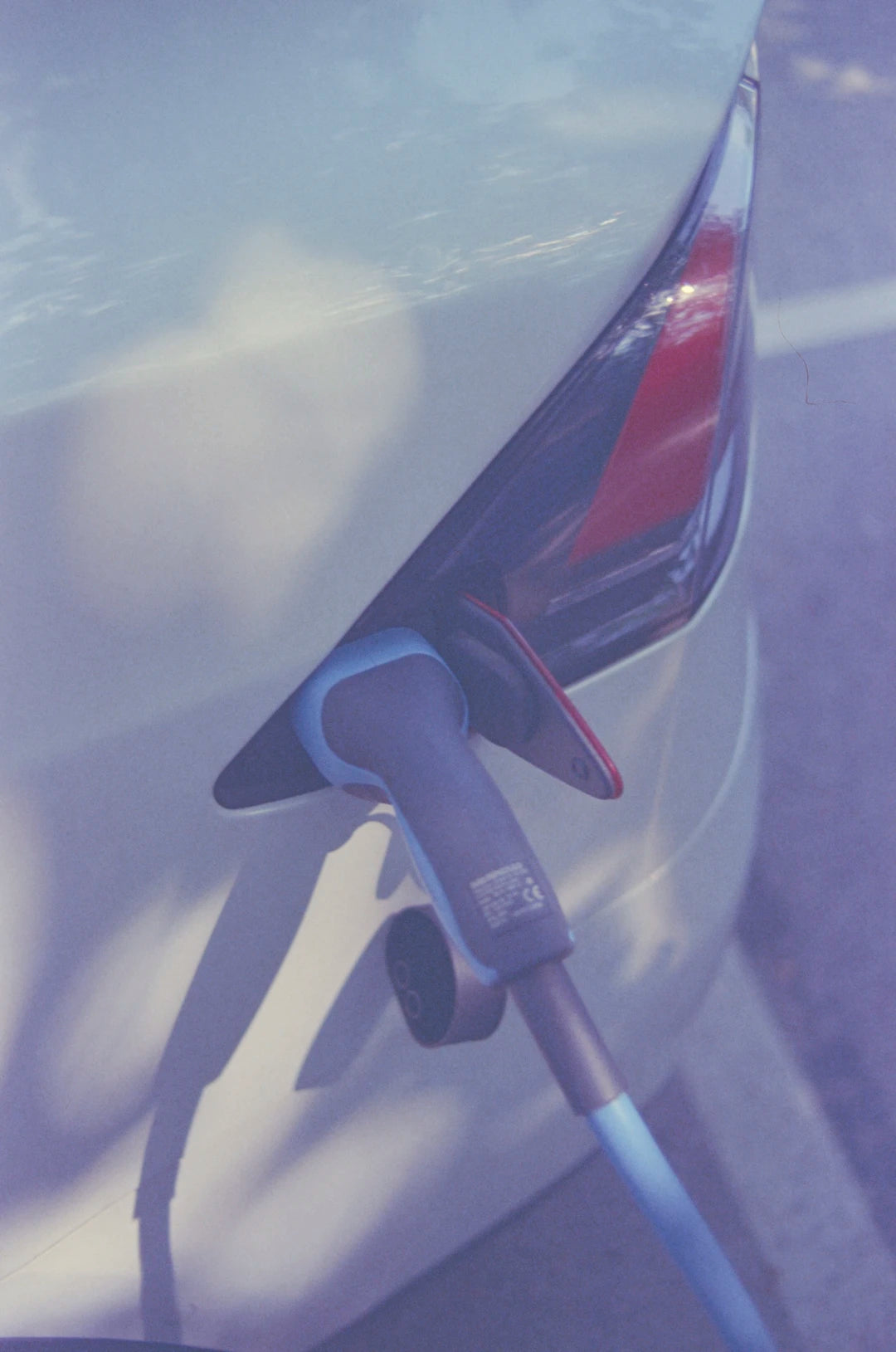
As global environmental concerns escalate, the transition to electric vehicles is more than just a trend—it's becoming a necessity. Governments worldwide are implementing stricter emissions regulations, making it imperative for automakers to pivot their production strategies. However, this shift comes with numerous challenges:
- Infrastructure Development: The lack of sufficient charging stations can deter consumers from adopting EVs, making it crucial for companies to collaborate on infrastructure solutions.
- Supply Chain Issues: Sourcing materials like lithium for batteries can be problematic and may lead to increased costs and supply chain disruptions.
- Consumer Education: Many consumers remain skeptical about EVs due to performance and range anxiety; thus, educating the market is essential.
Integration of Autonomous Technology
Autonomous vehicles herald a new age of mobility, but several hurdles lie ahead:
- Regulatory Challenges: Legal frameworks need to be established to govern the use of autonomous vehicles, which can ensure safety while fostering innovation.
- Ethics and Accountability: In the event of accidents involving autonomous vehicles, determining liability poses complex ethical questions.
- Data Security: With the increasing reliance on data, ensuring cybersecurity for autonomous vehicles is critical to preventing breaches.
Economic Factors Impacting the Industry
The automotive industry is significantly influenced by macroeconomic conditions. Economic fluctuations can create various pressures that affect both manufacturing and consumer purchasing behavior.
Global Economic Instability
Economic instability can lead to a decrease in consumer confidence, impacting car sales. Companies must remain vigilant of global markets, as fluctuations may affect the cost of materials and labor:
- Tariffs and Trade Policies: Adjustments in trade agreements can influence costs and availability of materials, leading to shifts in pricing strategies.
- Interest Rates: Variations in interest rates can affect consumer financing options, making cars more or less accessible.
Market Shifts and Consumer Preferences
Changing consumer preferences will continue to redefine their relationship with automotive brands:
- Shift to Shared Mobility: As consumers lean towards car-sharing services and alternative mobility solutions, traditional ownership models may become obsolete.
- Demand for Sustainability: A growing awareness around environmental issues is pushing consumers to favor brands that prioritize sustainability in their practices.
Sustainability and Environmental Regulations
The automotive industry faces mounting pressure to embrace sustainability through innovative practices and technologies:
Compliance Challenges
Stricter regulations aimed at controlling emissions can be a significant hurdle for manufacturers:
- R&D Investment: Increased expenditures for research and development are vital to meet upcoming regulations.
- Supply Chain Transparency: Consumers are increasingly interested in understanding the source of materials used, bringing light to the need for transparent supply chains.
Lifecycle Management and Circular Economy
From production to recycling, the automotive industry must consider the entire lifecycle of vehicles:
- End-of-Life Vehicles: Establishing effective programs for recycling and repurposing vehicles can contribute positively to sustainability efforts.
- Waste Reduction: Companies should focus on minimizing waste during manufacturing processes as a commitment to the environment.
Workforce Challenges and Skills Gap
The shift toward high-tech vehicles has created a profound skills gap in the automotive workforce. As traditional manufacturing roles diminish, the demand for skilled workers in technology, data analytics, and robotics has surged.
Talent Acquisition and Retention
Attracting and retaining talent is crucial for the future of the automotive industry:
- Upskilling Existing Workforce: Programs to retrain existing employees will help mitigate the impacts of technology-driven changes.
- Creating Diversity: Encouraging a diverse workforce can spark innovation and attract a broad range of talent.
Remote Work and New Work Models
The trend toward remote and flexible work arrangements can disrupt traditional manufacturing roles:
- Hybrid Models: Balancing in-office and remote work will require new management strategies and communication practices.
- Collaboration Tools: Integrating modern collaboration tools can facilitate better connectivity among teams.
Digital Transformation and Cybersecurity
The automotive industry is rapidly embracing digital transformation, but it also faces potential risks:
Data Management and Cybersecurity Threats
As vehicles become more interconnected, the volume of data generated increases substantially:
- Data Privacy Regulations: Navigating the landscape of data privacy laws requires vigilance and transparency.
- Cyber Threats: Protecting vehicles and network systems from cyber-attacks is an ongoing challenge that manufacturers must address.
Embracing New Technologies
The integrating of advanced technologies such as artificial intelligence (AI) and the Internet of Things (IoT) will also require significant adjustment:
- Adoption Costs: Large-scale implementation of new technologies can be financially burdensome for companies not prepared for such investments.
- User Acceptance: Ensuring that consumers are comfortable with and willing to engage with digital systems is key for broader acceptance.
Looking Forward: Embracing Change in the Automotive Landscape
The challenges facing the automotive industry are numerous and complex, but they also present an opportunity for innovation and growth. As businesses adapt to the realities of the next decade, embracing new technologies, understanding changing consumer behaviors, and prioritizing sustainability will be paramount for success. It is essential for companies to remain agile and proactive in their approaches, fostering collaborations and developing strategies that ensure long-term resilience.
By addressing these challenges head-on, the automotive industry can not only survive but thrive in the evolving landscape, driving toward a sustainable and technologically advanced future. The road ahead may be winding, but with the right preparation and forward-thinking mindset, the possibilities are endless. Buckle up and get ready, the journey is just beginning!