
Overview
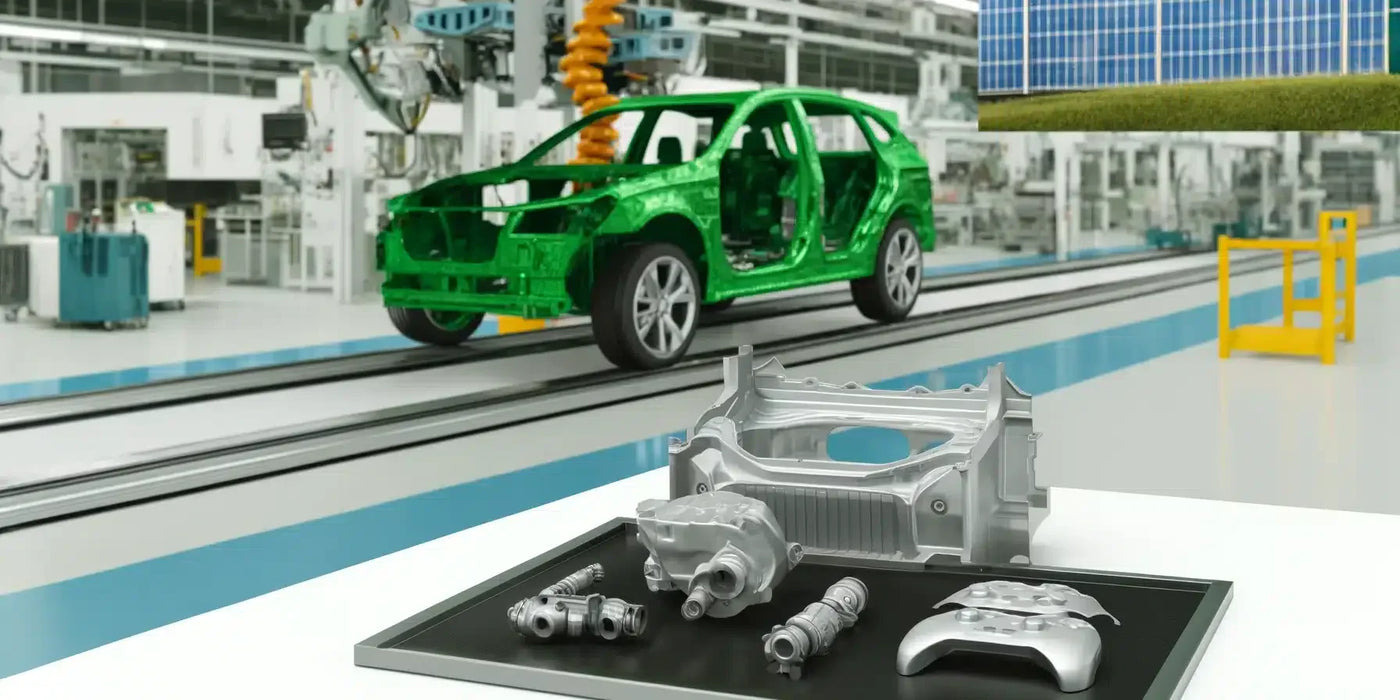
The automotive industry is transitioning towards sustainable materials to reduce environmental impact and meet consumer demand for eco-friendly vehicles. Key innovations include bioplastics, recycled metals, and natural fiber composites. Challenges such as supply chain limitations and consumer acceptance must be addressed. Technology, including 3D printing and AI, plays a crucial role in this shift. Collaboration across the industry is essential for successful implementation of sustainable practices. Embracing these changes is vital for a cleaner, greener future.
Frequently Asked Questions
1. What are sustainable materials in car manufacturing?
2. What are the benefits of using sustainable materials in cars?
3. How do innovations like bioplastics contribute to sustainable car manufacturing?
4. What challenges does the automotive industry face in adopting sustainable materials?
5. What role does technology play in sustainable car manufacturing?
The automobile industry is on the cusp of a transformative shift as the world moves towards sustainable practices. The future of car manufacturing hinges on innovative materials that can reduce the carbon footprint, enhance performance, and appeal to environmentally conscious consumers. This blog post explores the potential of sustainable materials in car manufacturing, discussing their benefits, applications, and how they are set to reshape the industry.
The Necessity of Sustainable Materials in Cars
As environmental awareness grows, traditional manufacturing processes in the automotive industry are increasingly scrutinized. Conventional materials like steel and plastic contribute significantly to greenhouse gas emissions and unsustainable resource depletion. To combat these issues, car manufacturers are actively seeking alternatives that are not only environmentally friendly but also cost-effective.
Understanding Sustainable Materials
Sustainable materials refer to those that are sourced and processed in a way that minimizes environmental impact. These materials should ideally be renewable, biodegradable, or recycled. Some key examples include:
- Bioplastics
- Recycled metals
- Natural fibers (such as hemp and flax)
- Sustainable wood products
- Advanced composites
Benefits of Using Sustainable Materials
Manufacturers are discovering numerous advantages to incorporating sustainable materials in their vehicles. Here are some key benefits:
Environmental Impact
The most apparent benefit is the reduction in environmental pollution. Using sustainable materials can lead to lower carbon emissions during production and operation, which contributes to a cleaner planet. Additionally, many sustainable materials are either biodegradable or recyclable, reducing waste in landfills.
Consumer Demand
Today's consumers, especially younger generations, are placing a premium on sustainability. Drivers are increasingly inclined to purchase vehicles that reflect their values regarding environmental stewardship. Thus, manufacturing cars with sustainable materials can open doors to a new demographic of eco-conscious consumers.
Cost Efficiency
While there may be initial investments required to transition to sustainable materials, manufacturers often find cost savings in the long term. Sustainable materials can reduce the need for complex production processes or expensive waste disposal methods. Over time, these practices can significantly decrease overall production costs.
Innovations in Sustainable Car Manufacturing
Various innovative sustainable materials are making waves in the automotive market, leading the way towards a greener future. Here’s a closer look at some of the promising innovations:
Bioplastic Development
Bioplastics, derived from renewable biomass sources, are increasingly being used in the automotive sector. Unlike conventional plastics, bioplastics can reduce reliance on fossil fuels and minimize environmental harm. Companies are using bioplastics for interior components, dashboards, and even external panels, showcasing how sustainable practices can effectively blend with aesthetics and functionality.
Recycled Metals
Recycling metal not only conserves natural resources but also significantly cuts down on energy consumption during manufacturing. Innovations in recycling technology have made it easier for car manufacturers to source high-quality recycled metals. This trend is gaining traction, as automakers integrate recycled steel and aluminum into various vehicle components.
Natural Fiber Composites
Natural fibers such as hemp, kenaf, and flax are being explored as alternatives to traditional materials. These fibers are lightweight, durable, and can provide significant strength to composites used in car manufacturing. Automotive manufacturers are increasingly opting for natural fiber composites in interiors and body panels, reducing weight and improving fuel efficiency.
A Circular Economy Approach
The future of car manufacturing will also likely shift towards a circular economy, where materials are reused, repaired, and recycled rather than discarded. This approach redefines the lifecycle of a vehicle and its components, promoting the idea that sustainable practices extend beyond just material sourcing.
Designing for Disassembly
By designing vehicles with disassembly in mind, manufacturers can facilitate easier repairs and recycling of parts. This concept reduces waste and promotes longevity, ensuring components can be repurposed or refurbished instead of ending up in landfills.
Extended Product Lifecycle
Another key factor in a successful circular economy is the extended product lifecycle. Car manufacturers can incorporate elements such as modular construction techniques, where components can be upgraded or replaced rather than scrapped, effectively extending the life of the vehicle.
Challenges to Overcome
While the future of sustainable materials in car manufacturing is promising, there are several challenges that the industry needs to address:
Supply Chain Limitations
The availability and sourcing of sustainable materials can pose a challenge. Not all manufacturers have access to reliable suppliers of eco-friendly materials, which can hinder widespread adoption. Establishing a robust supply chain for sustainable materials is essential for achieving industry-wide success.
Consumer Acceptance and Education
While many consumers desire sustainable vehicles, a lack of understanding about the benefits and quality of sustainable materials can create hesitation. Educating consumers about the advantages of vehicles made from sustainable materials is essential to overcome skepticism and drive adoption.
The Role of Technology in Sustainable Manufacturing
Advancements in technology are crucial in enabling the use of sustainable materials in car manufacturing. From 3D printing to artificial intelligence, technology plays a pivotal role in the innovation process.
3D Printing
3D printing technology allows manufacturers to create prototypes and components using sustainable materials without significant waste. This technology has the potential to significantly reduce energy consumption and raw material usage, making it an ideal fit for sustainable manufacturing practices.
Artificial Intelligence and Data Analytics
AI can optimize material usage and production processes, reducing waste and improving efficiencies. By utilizing data analytics, manufacturers can evaluate performance metrics related to sustainability and identify areas for improvement in their production systems.
Looking Ahead: The Future of Car Manufacturing
The road ahead for car manufacturing is paved with opportunities for sustainable advancement. As the industry moves towards embracing sustainable materials, a variety of innovative approaches will emerge, transforming the automotive landscape.
From Concept to Reality
The challenge for manufacturers will be to convert concepts of sustainability into practical applications that consumers recognize and embrace. Success depends on ongoing collaboration between material scientists, engineers, and automotive designers to create vehicles that not only perform but also align with the sustainability goals of society.
Collaboration for Greater Impact
Industry partnerships and collaborations among manufacturers, material suppliers, and even governments are essential to drive innovation and adoption of sustainable practices. Creating standardized approaches, sharing best practices, and fostering community engagement will be crucial in achieving impactful change.
Join the Movement Towards Sustainability
As the future of sustainable materials in car manufacturing unfolds, it’s clear that this shift not only responds to contemporary environmental challenges but also provides a roadmap for innovation and economic resilience. For businesses, manufacturers, and consumers, embracing sustainable practices is not just an option; it’s a necessity. By joining the movement towards sustainable car manufacturing, we can collectively contribute to a cleaner, greener, and more sustainable world for future generations.