
Overview
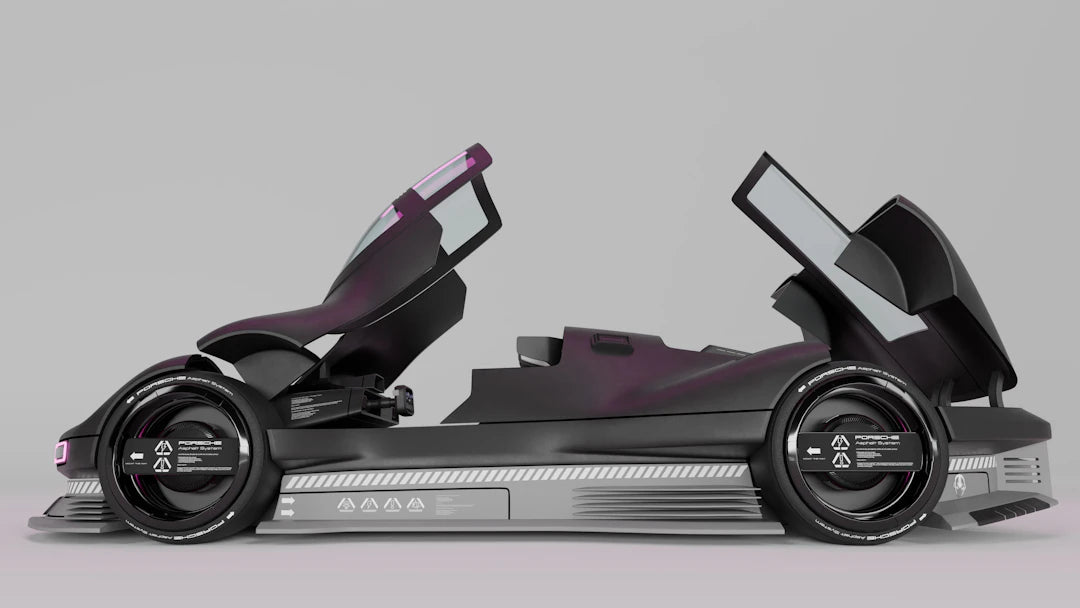
The automotive industry is undergoing significant changes driven by trends in electric vehicles, autonomous technology, AI integration, and sustainability. Key innovations include sleek designs, flexible interiors, eco-friendly materials, and enhanced safety features. Customization and personalization are on the rise, as is the focus on aesthetic appeal and community feedback. The shift toward Mobility as a Service (MaaS) is also influencing vehicle design for future urban environments. Overall, these trends are set to redefine the automotive landscape and align with consumer and environmental needs.
Frequently Asked Questions
1. What are the main trends influencing automotive design today?
2. How are electric vehicles changing automotive design?
3. What role does AI play in modern automotive design?
4. Why is sustainability important in automotive design?
5. What significance do aesthetic appeal and emotional connections have in automotive design?
The automotive industry is a dynamic and ever-evolving field, one that has seen monumental shifts in design, technology, and sustainability. As we traverse through the 21st century, new trends are emerging that reshuffle the landscape of automotive design. In this blog post, we will delve into the most significant trends influencing automotive design today and how these innovations could shape the vehicles of tomorrow. Buckle up for a fascinating ride into the future!
The Rise of Electric Vehicles (EVs)
As the world pivots toward sustainability, electric vehicles are at the forefront of automotive design trends. With advancements in battery technology and charging infrastructure, EVs are no longer just a niche market but are becoming mainstream. This shift is fueling a wave of design innovations including:
- Sleek Aesthetics: EVs often feature aerodynamic shapes that enhance efficiency and modern appeal.
- Minimalistic Interiors: The absence of traditional mechanics allows designers to create spacious, tech-centric cabins.
- Eco-Friendly Materials: Many manufacturers are now prioritizing sustainable materials in the production of both interiors and exteriors.
Battery Technology and Range
With the continuous evolution of battery technology, the range of electric vehicles is increasing, which allows for more adventurous designs without compromising functionality. Designers are now able to explore innovative shapes and structures that maximize aerodynamics and performance, giving rise to futuristic car designs that are not only appealing but also functional.
Autonomous Vehicles: The Future of Mobility
Autonomous driving technology is reshaping the automotive landscape. As vehicles transition from manual to automated systems, the design elements are similarly evolving. Here’s how:
- Redefining the Driving Experience: With the driver no longer the focus of cabin design, automotive manufacturers can create a more relaxed environment that may include seating arrangements similar to living rooms.
- Advanced Interface Designs: The shift to automation necessitates sophisticated user interfaces that are intuitive and easily navigable.
- Safety Features: Enhanced sensors and cameras lead to innovative exterior designs, allowing for better performance and safety.
Interior Configurations
Designers are reimagining the vehicle interior by creating flexible seating configurations that can cater to various passenger needs. Whether it's enabling workspace for professionals or providing entertainment zones for families, autonomous vehicles will offer adaptable interiors that go beyond traditional passenger compartments.
Incorporating AI and Smart Technology
Artificial intelligence (AI) is becoming an integral part of smart automotive design. The integration of smart technology is setting new benchmarks for user experience:
- Personalized Interface: AI-driven systems can learn driver preferences and adapt settings for comfort, navigation, and entertainment.
- Predictive Maintenance: Cars equipped with smart technologies can alert owners about maintenance needs, improving vehicle longevity.
- Seamless Connectivity: Enhanced connectivity with smartphones and home systems transforms how drivers interact with their vehicles.
The Role of Data in Design
As vehicles become more connected, the data generated helps designers understand consumer preferences better. This data-driven approach allows for targeted design improvements and innovations tailored to meet the demands of their audience.
Sustainability: The New Standard
Eco-consciousness is not just a trend but a necessary shift in automotive design. Sustainable practices are becoming the norm rather than the exception:
- Recyclable Materials: Manufacturers are researching and adopting materials that are recyclable or biodegradable, minimizing the environmental footprint.
- Reduction of Emissions: Innovative designs are aimed at reducing emissions, even in combustion engine vehicles, through enhancements that boost fuel efficiency.
- Life Cycle Assessment: Designers are now conducting life cycle assessments of their vehicles to optimize every phase from production to disposal.
Innovative Manufacturing Processes
New manufacturing methods, such as 3D printing, are significantly lowering waste during production, while also allowing for faster prototyping and customization options. Automation in manufacturing not only enhances efficiency but also leads to designs that are more intricate and precise.
Enhanced Safety Features in Design
As safety regulations become more stringent, designers are focusing on incorporating safety features into the aesthetic of the vehicle:
- Advanced Driver-Assistance Systems (ADAS): Designers are embedding systems that provide greater visibility, accident prevention, and driver awareness into their designs.
- Impact-resistant Structures: Innovations in material science are leading to lighter, yet stronger vehicle frameworks that protect occupants during collisions.
- High-tech Lighting: The integration of smart LED technology is enhancing vehicular visibility while allowing designers to create striking visual identities for brands.
A Holistic Approach to Safety
Modern automotive design is moving toward a holistic safety approach, which involves considering both the vehicle’s occupants and those outside of it. From pedestrian detection systems to adaptive lighting solutions, the goal is to ensure that all road users are protected.
Customization and Personalization Trends
Today's consumers long for personalized experiences, and the automotive industry is no exception. Car designs are increasingly reflecting individual tastes:
- Customizable Elements: From paint colors to interior materials, consumers have more options than ever to tailor their vehicles to fit their preferences.
- Technology Integration: Options for integrating personal technology systems, such as specific apps or interfaces, are also growing in demand.
- Limited Edition Models: Manufacturers are releasing limited edition models that highlight unique designs and features for collectors and enthusiasts.
The Role of Community Feedback
Social media and online platforms serve as crucial arenas for feedback from consumers. Automotive brands are increasingly mining these channels for insights, fostering designs that resonate well with their target demographic and ensuring greater satisfaction.
The Importance of Aesthetic Appeal
While functionality is vital, the aesthetic aspect of automotive design remains paramount. The visual appeal of a vehicle can be its strongest selling point:
- Distinctive Branding: Automotive designs need to visually communicate brand identity, leading to more recognizable and iconic vehicles.
- Emotional Connections: The aesthetics elicit emotional responses, which strongly influence buyer decisions.
- Future Vision: The forward-looking designs emphasize futuristic lines and styles, attracting younger consumers.
Collaborations with Artists and Designers
To achieve innovative aesthetics, automotive brands are increasingly collaborating with renowned artists and designers to create unique vehicle designs that stand out in the market. These partnerships bring fresh perspectives and inventive styles to the automobile industry.
Mobility as a Service (MaaS)
The shift towards the “Mobility as a Service” model is redefining automotive design as we know it. Here’s how:
- Shared Spaces: As car sharing becomes more common, designs will focus on vehicles that are adaptable for a variety of users.
- Multi-Functionality: Vehicles will increasingly be designed for diverse purposes, whether for commuting, transporting goods, or leisure.
- Efficient Space Utilization: Compact and multifunctional designs will become staples, making the most of limited urban spaces.
Designing for Future Communities
As urban environments evolve, automotive design will need to align with community development, enhancing accessibility and reducing congestion. The future may see vehicles that seamlessly integrate with public transport and urban infrastructure.
Bringing It All Together: The Future is Bright!
As we gaze into the future of automotive design, it is clear that innovative technologies, sustainability, and customization will play crucial roles in shaping vehicles. The trends we’ve discussed are just the tip of the iceberg as we venture into an exciting era for the automotive industry. Embracing these developments not only enhances the appeal of vehicles but also aligns them with consumer desires and environmental responsibilities.
Staying ahead in the world of automotive design will require adaptation, innovation, and a deep understanding of the market. Whether you're a designer, manufacturer, or car enthusiast, the future holds thrilling possibilities that promise to redefine our riding experience. So, let’s keep our engines running and thoughts racing as we navigate this exciting journey ahead!