
Overview
The blog discusses the rise of autonomous vehicles (AVs) and their potential to transform transportation through enhanced safety, urban mobility shifts, and environmental benefits. Key trends include improved safety features, changes in insurance and liability, and the role of government regulation. The article emphasizes the importance of public acceptance and ethical considerations as we move towards full autonomy. Overall, it highlights a future where AVs not only change how we drive but also reshape urban landscapes and redefine transportation services.
Frequently Asked Questions
1. What are autonomous vehicles (AVs)?
2. How will autonomous technology enhance safety on the roads?
3. What trends can we expect in urban mobility with the rise of AVs?
4. How will the shift to autonomous driving impact insurance and liability?
5. What potential environmental benefits do autonomous vehicles offer?
The world of transportation is on the brink of a monumental evolution, largely driven by advancements in autonomous technology. As we immerse ourselves in a technology-driven future, the way we drive cars will undergo transformative changes that promise to enhance safety, accessibility, and efficiency on the roads. This blog explores the future trends in autonomous technology and how they are set to revolutionize our driving experience. Buckle up as we navigate through this exciting jargon-filled journey!
The Rise of Autonomous Vehicles
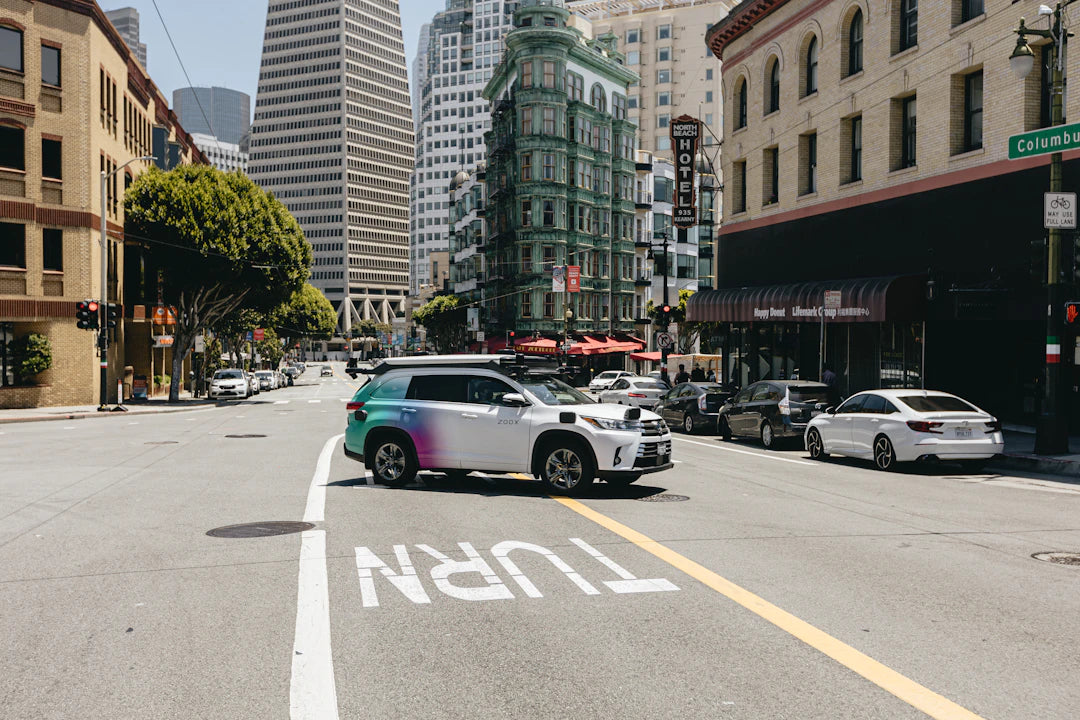
Autonomous vehicles (AVs) are no longer just a figment of our imagination or the subject of sci-fi films. With significant investment from tech companies and automotive giants alike, the technology enabling AVs is advancing at a breakneck speed. These vehicles utilize a combination of sensors, cameras, and artificial intelligence (AI) to perceive their surroundings and navigate roads without human input.
What Makes Autonomous Vehicles Different?
At the heart of autonomous driving technology are several key components:
- Artificial Intelligence: AVs rely heavily on AI algorithms to analyze data, make decisions, and improve learning over time.
- Sensors and Cameras: These devices enable the vehicle to detect objects, understand road conditions, and recognize traffic signals.
- Connectivity: Autonomous vehicles often communicate with each other and with infrastructure to optimize traffic flow and enhance safety.
As these technologies evolve, the distinction between traditional and autonomous driving will become increasingly blurred.
Future Trends in Autonomous Technology
1. Enhanced Safety Features
One of the primary drivers behind adopting autonomous vehicles is their potential to enormously reduce road accidents. With millions of accidents occurring each year due to human error, the implementation of AV technology aims to create a safer driving environment. Future trends indicate that:
- Autonomous vehicles will incorporate advanced safety features that could completely eliminate traffic fatalities.
- AI systems will continue to improve, utilizing massive datasets from various platforms to enhance their predictive abilities.
- Real-time monitoring systems will be integrated to alert emergency services immediately in case of an incident.
2. Shifts in Urban Mobility
In urban areas, autonomous technology will reshape transportation systems, making public mobility more efficient and accessible. This can lead to several futuristic urban trends:
- Ride-sharing and car-sharing will surge, as autonomous fleets will become a convenient transportation alternative, reducing the necessity for personal car ownership.
- Infrastructure will adapt, with smart traffic signals and optimized routing to minimize congestion.
- Urban design will evolve; cities may become more pedestrian-friendly with designated AV lanes.
3. Changes in Insurance and Liability
The shift towards autonomous driving will force a reevaluation of standard insurance models. As vehicles take on more responsibility for driving, the insurance industry will need to adjust:
- Liability may shift from drivers to manufacturers, creating new insurance products tailored to AVs.
- Data collection and analysis will play a crucial role in premium calculations, as vehicle performance data becomes a vital asset.
4. The Role of Government Regulation
As autonomous vehicles become more prevalent, governments will play an integral role in establishing regulations and safety standards. We can expect:
- New laws and regulations tailored toward the safe integration of AVs on public roads.
- Increased investment in infrastructure that supports autonomous driving through dedicated lanes and smart city technology.
The Environmental Impact of Autonomous Technology
The future of driving isn’t just about safety and convenience; it also has the potential to be more eco-friendly. Here’s how autonomous technology can help create a sustainable driving environment:
1. Reduced Emissions
Autonomous vehicles are often electric, which can significantly reduce their carbon footprints. As we transition away from fossil fuels, the rise of AVs may lead to:
- Improved fuel efficiency through optimized driving patterns and reduced idling.
- Lower overall emissions as more users switch to electric autonomous fleets.
2. Efficient Routing
AVs will leverage AI-powered algorithms to assess traffic conditions in real time, which can minimize unnecessary fuel consumption through optimal routing. Expect advancements in:
- Smart traffic management systems that reduce congestion.
- Autonomous vehicles working together to create a synchronized flow of traffic, which can decrease stop-and-go driving.
3. Infrastructure Adaptations
The increasing presence of AVs will also necessitate upgrades in infrastructure to support sustainable development:
- Charging stations will expand and integrate with energy grids to promote green energy usage.
- Roadways will be designed to accommodate both AVs and pedestrians, ensuring that sustainability is at the forefront.
Empowering the Driverless Experience
As we look toward the future of driving, the concept of driverless experiences becomes exciting. Here’s how autonomous technology will continue to empower users:
1. Accessibility for All
One of the most significant advantages of autonomous vehicles is their potential to empower individuals who currently rely on public transit or assistance due to mobility challenges. Future advances will ensure:
- Enhanced access to transportation for the elderly and those with disabilities.
- Increased independence and freedom in transportation options.
2. Advanced User Interfaces
The user experience in autonomous vehicles will be redefined. Future trends indicate:
- Intuitive interfaces that enhance the rider experience through personalization and connectivity.
- Augmented and virtual reality features providing entertainment or educational experiences during travel.
3. Redefined Transportation Services
As autonomous technology becomes mainstream, the transportation landscape will evolve, leading to:
- Convenient ride-hailing services available at the touch of a button.
- New business opportunities for ride-sharing companies to offer various service levels and experiences.
Are We There Yet? The Road to Full Autonomy
While the technology is rapidly developing, full autonomy—where vehicles can operate completely without human intervention—remains a work in progress. Major stakeholders in the automotive sector must address several key challenges:
1. Regulatory Hurdles
Before autonomous vehicles can dominate the streets, regulatory standards must be developed and enforced – which is no easy task. Policymakers must balance innovation with safety.
2. Public Acceptance
For truly autonomous driving to flourish, the public must accept and trust these vehicles. Education and successful pilot programs will help build confidence in the technology.
3. Ethical Considerations
The rise of autonomous technology introduces a myriad of ethical considerations, particularly around decision-making algorithms. How should an AV react in emergency scenarios? The industry must engage in discussions about liability, ethics, and moral decisions.
What Lies Ahead?
The integration of autonomous technology in driving lays the groundwork for an exciting transformation in mobility. With advancements promising enhanced safety, environmental sustainability, and improved user experiences, it is evident that the future of driving is bright and innovative. The adoption of AVs will lead not only to a revolution in how we drive but also reshape our urban landscapes, redefine transportation services, and push society toward embracing advanced technologies.
As we stand on the cusp of this remarkable change, it is essential to remain aware of the challenges that lie ahead and work together toward a future where technology benefits all. Here’s to the journey ahead; may it be satisfying, safe, and autonomous!