
Overview
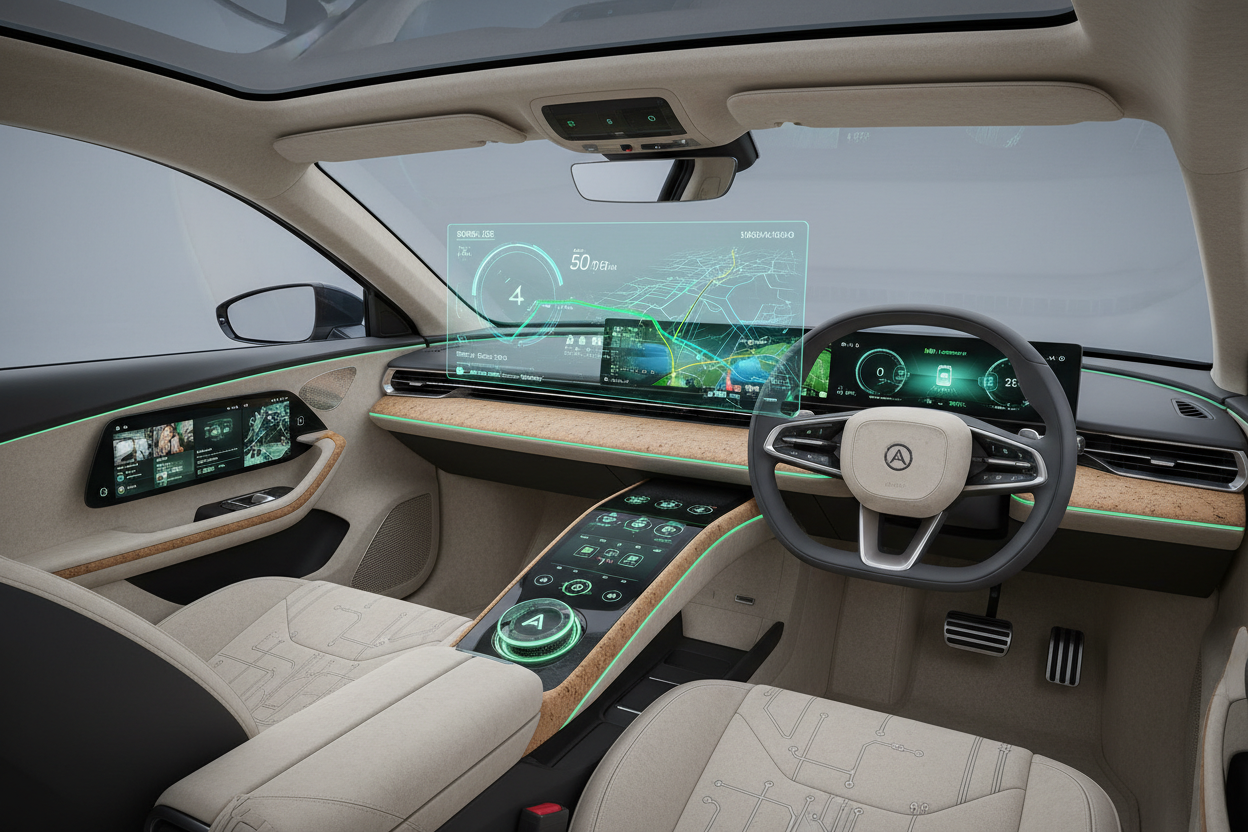
The automotive industry is set for significant changes over the next decade, driven by evolving consumer trends prioritizing electric vehicles, sustainability, connectivity, and personalization. Key points include the rise of affordable EVs with improved battery life and charging infrastructure, demand for eco-friendly practices, advanced safety features, and the shift towards subscription services. Dealerships must adapt to provide hybrid buying experiences and ongoing support. Embracing digital transformation will be crucial for manufacturers and dealers to meet consumer expectations and build lasting relationships.
Frequently Asked Questions
1. What are the main trends shaping the automotive market over the next decade?
2. Why are consumers increasingly interested in electric vehicles (EVs)?
3. How are manufacturers responding to the demand for sustainability?
4. What role does technology play in enhancing the driving experience?
5. How are dealerships adapting to changing consumer expectations?
The next decade is poised to bring momentous changes in the automotive world, and it's imperative for manufacturers, dealerships, and other stakeholders to understand the evolving consumer trends. As the world embraces new technologies, values sustainability, and focuses on connectivity, drivers are developing unique preferences and expectations for their vehicles. In this article, we’ll delve into these trends and what drivers are looking for in their cars over the next ten years.
The Rise of Electric Vehicles (EVs)
As society becomes more environmentally conscious, electric vehicles are gaining traction among consumers. Drivers are not only looking for something that can turn heads but also something that is kinder to the planet. This shift indicates a growing demand for:
- Affordability: Price points for EVs are becoming more competitive. Consumers are searching for affordable options without sacrificing quality.
- Battery Life: The range of an electric vehicle is a primary concern. As technology improves, drivers want to see greater distances on a single charge.
- Charging Infrastructure: An expanded network of charging stations is critical. Consumers prefer regions where EV infrastructure is already in place or plans are being developed.
Innovative Features in EVs
Beyond just the mechanics, drivers are also interested in unique features that enhance their electric driving experience. In this decade, expect to see:
- Smart Charging: Features that allow users to charge their cars during off-peak hours to save money are increasingly popular.
- Autonomous Driving: Autonomous features that provide more convenience and ease of driving are becoming a significant selling point.
The Demand for Sustainability
In the coming decade, consumers desire more sustainable options in their vehicles. This includes seeking out manufacturers who prioritize eco-friendly practices throughout their supply chains. Expectations include:
- Recyclable Materials: Drivers are increasingly interested in vehicles made from sustainable and recyclable materials.
- Carbon Offsetting Programs: Consumers appreciate brands that offer programs aimed at offsetting their carbon footprints.
- Second-hand Market Growth: There’s an increasing trend towards the purchase of used vehicles, as consumers look to the second-hand market for eco-friendly purchasing.
Sustainable Practices by Brands
Brands that actively adopt sustainable practices are more likely to capture consumer loyalty. Elements that make a difference include:
- Green Manufacturing Processes: Implementing environmentally friendly manufacturing processes can provide significant brand appeal.
- Supply Chain Transparency: Consumers desire to know how products are made, leading to increased demand for transparency in supply chains.
Connectivity and Technology
As technology advances, the future of driving involves seamless connectivity and integration. The importance of infotainment systems and in-car connectivity is paramount. What can consumers expect?
- Smartphone Integration: The ability to connect their smartphones with ease is essential in modern vehicles. Consumers want apps that work harmoniously with their phone’s operating systems.
- Advanced Navigation Systems: Drivers are increasingly relying on integrated GPS solutions that offer real-time updates and smarter routing.
- Voice Activation: Voice-activated interfaces for controlling car systems will become standard as consumers prefer hands-free options.
The Role of AI in Consumer Experience
As artificial intelligence becomes more prevalent, consumers can expect enhanced experiences within their vehicles. This includes:
- Personalized Features: AI can analyze driving habits to personalize settings such as seat positions, climate control, and entertainment options.
- Safety Enhancements: AI technology can provide real-time feedback, alerting drivers to potential hazards and unsafe driving conditions.
Safety Innovations
Safety remains a top priority for consumers when selecting a vehicle. The expectation for safety innovations continues to shape consumer preferences. Some key expectations include:
- Advanced Driver-Assistance Systems (ADAS): Features like adaptive cruise control, lane-keeping assist, and automatic emergency braking are becoming standards in new vehicles.
- Enhanced Airbag Systems: Drivers are looking for vehicles equipped with advanced airbag systems that provide maximum safety during accidents.
The Role of Data in Safety
Data analytics is paving the way for enhanced solutions in vehicle safety. The use of big data to predict and prevent accidents will grow, with:
- Data-Driven Insights: Manufacturers will use data to proactively address safety concerns and improve vehicle designs.
- Real-Time Monitoring: Future vehicles may include features that continuously monitor driver behavior to mitigate risky practices.
The Shift Towards Subscription Services
Consumers are becoming more accustomed to subscription-based services, and the automotive industry is following suit. Instead of purchasing a vehicle outright, they are looking for alternative ownership models. Key trends include:
- Flexible Usage: Subscription services offer drivers the flexibility to choose vehicles based on their needs, whether for daily commuting or weekend adventures.
- Lower Upfront Costs: Subscriptions help to spread costs over time, making vehicles more affordable for a broader audience.
The Attraction of Convenience
Convenience is a decisive factor in consumer choices. Subscription services provide consumers with the ability to switch vehicles effortlessly, creating a sense of excitement and novelty. Other attractive perks may include:
- Maintenance Included: Most subscriptions come with maintenance and insurance, offering peace of mind and simplicity.
- Trial Periods: Drivers relish the chance to “test drive” a vehicle long-term without commitment before making a decision.
Personalization and Customization
The desire for personalized experiences extends to the automotive space. Consumers want to make their vehicles a reflection of their style. Preferences include:
- Customizable Interiors: Interior designs that reflect personal style preferences, including material choices, colors, and layouts.
- Unique Features: Interest in installing aftermarket modifications that enhance individuality, such as specialized sound systems or aesthetic enhancements.
The Importance of Customer Engagement
The expectation for personalization drives companies to engage directly with consumers. Automakers will need to prioritize:
- Feedback Loops: Engaging consumers in the design and feature development process to ensure they feel valued and heard.
- Community Building: Creating online spaces where drivers can share modifications and customizations can foster a strong community around a brand.
The Evolving Role of Dealerships
As consumer expectations continue to evolve, so too must the role of dealerships. The following are vital elements that dealerships will need to embrace over the next decade:
- Hybrid Experiences: Combating the rise of online car buying by offering a seamless blend of online and in-person experiences.
- Education and Support: Providing valuable resources for consumers wanting to understand the complexities of car technology.
Building Long-Term Relationships
Dealerships will increasingly focus on building long-term relationships rather than one-time transactions. This includes offering:
- Ongoing Customer Support: Ensuring drivers feel supported throughout their vehicle ownership journey.
- Loyalty Programs: Incentives tied to loyalty, such as maintenance packages or discounts on future purchases, will help solidify bonds with consumers.
Embracing Digital Transformation
The automotive industry is undergoing a digital transformation that impacts not only how cars are sold but also how services are offered and experienced. Key developments to watch include:
- Virtual Reality Showrooms: The emergence of VR technology will allow drivers to explore vehicles in a simulated environment from the comfort of their homes.
- High-Quality Online Platforms: Dealerships and manufacturers must update their online platforms to provide comprehensive inventories, easy navigation, and engaging visuals.
Innovation at the Forefront
As digital technology progresses at breakneck speed, the automotive industry must keep pace. Core areas for innovation include:
- Online Financing Options: Streamlined online financing processes to simplify purchasing and leasing.
- Comprehensive Customer Profiles: Utilizing data analytics to curate tailored experiences based on individual customer profiles.
Where To Next? Embracing Change for a Bright Future
The automotive industry is at a fascinating crossroads, with evolving consumer trends shaping the future of driving. By understanding the clear desires for sustainability, connectivity, personalization, and advanced safety features, businesses can adapt to meet the changing landscape of consumer expectations. It’s an exciting time for consumers and manufacturers alike as the world moves toward new horizons in the next decade.
As we embrace these changes, the opportunity exists for businesses to innovate, engage, and ultimately create a driving experience that resonates with consumers' values and desires. The road ahead is promising, and as drivers seek vehicles that reflect their aspirations for the future, those who stay ahead of the curve will find themselves in the fast lane of success.