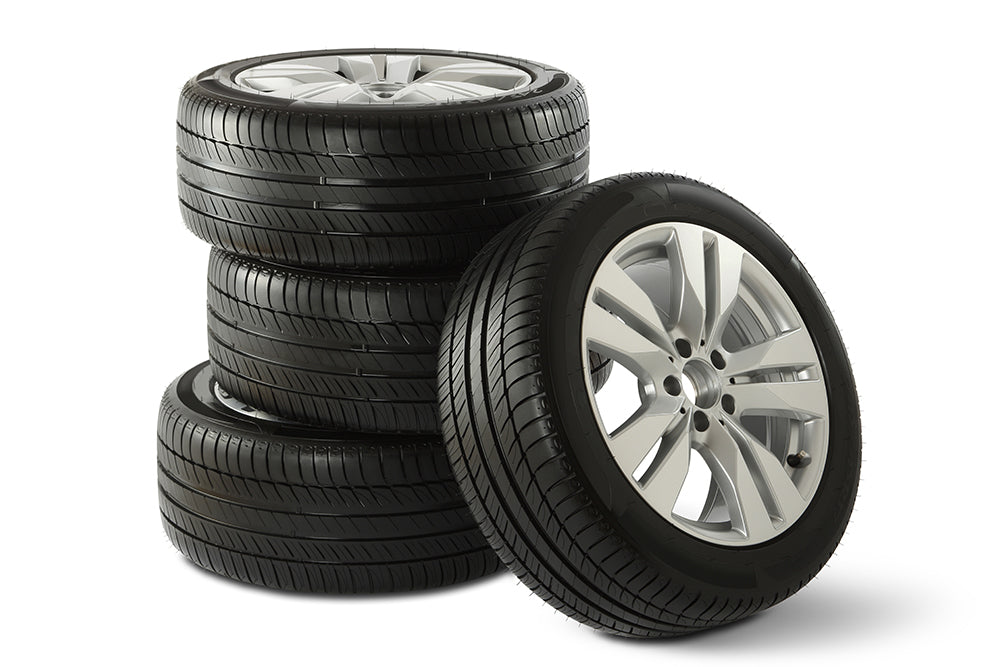
When it comes to your car's performance and safety, one of the most critical components is often overlooked - the tires. Tires are the only point of contact between your vehicle and the road, so choosing the right ones is crucial for a smooth ride, optimal handling, and overall driving experience. In this guide, we'll walk you through the key factors to consider when selecting tires for your car.
1. Determine Your Tire Size
Before diving into the vast sea of tire options, you'll need to know the right size for your vehicle. The easiest way to find this information is to check the sidewall of your existing tires. The size will be a combination of letters and numbers, such as P215/65R15 or 225/50ZR17. This code provides valuable information like the tire width, aspect ratio, construction type, and rim diameter.
2. Consider Your Driving Conditions
The type of driving you typically do and the prevailing weather conditions in your area should guide your tire choice. For example:
- For everyday commuting or highway driving, all-season tires are a popular and versatile choice.
- If you frequently encounter snowy or icy roads, winter tires provide improved traction and handling in cold conditions.
- If you crave high-performance driving, summer tires are designed to deliver maximum grip on dry pavement.
- If you plan to take your vehicle off-road, all-terrain or mud-terrain tires are designed to handle tough terrains and provide enhanced traction.
3. Determine Your Expected Mileage
Consider how much you drive and how long you want your tires to last. Tires are typically rated for mileage, ranging from 40,000 to 80,000 miles or more. Keep in mind that high-performance or off-road tires may have a shorter lifespan. It's essential to strike a balance between durability and performance to get the best value out of your tires.
4. Pay Attention to Tread Patterns
Tread patterns play a vital role in a tire's overall performance, including traction, grip, and noise level. There are three main types of tread patterns:
- All-season tread: Provides a good balance of handling, comfort, and longevity.
- Performance tread: Designed for sporty handling and enhanced grip, but may sacrifice some tread life.
- Mud and snow tread: Provides increased traction and maneuverability in challenging weather conditions.
Choosing the right tread pattern depends on your specific driving needs and the climate in which you'll be driving.
5. Never Compromise on Safety
When it comes to choosing tires, safety should always be your top priority. Look for tires that offer excellent wet and dry traction, reliable braking performance, and superior handling abilities. Additionally, consider tires with features like run-flat capability or enhanced puncture resistance for added peace of mind.
6. Review Customer Ratings and Reviews
Learn from the experiences of others. Online customer ratings and reviews can provide valuable insights into the performance, durability, and overall satisfaction of particular tire models. Take the time to read and compare reviews from multiple sources to make an informed decision.
7. Don't Neglect the Treadwear Rating
The treadwear rating tells you how long you can expect the tires to last compared to a standard reference tire. The higher the number, the longer the tire is expected to wear. This rating is essential if you're looking for long-lasting tires and want the best value for your investment.
8. Consider Fuel Efficiency
If you're concerned about fuel economy, look for tires with a low rolling resistance. Low rolling resistance tires require less energy to move, which can lead to improved fuel efficiency. Choosing fuel-efficient tires can help you save money in the long run and reduce your carbon footprint.
9. Seek Professional Advice
If you're still unsure which tires are right for your car, don't hesitate to seek advice from professionals. Tire specialists or mechanics can assess your driving needs, vehicle specifications, and recommend the best tire options for your specific situation.
10. Set a Realistic Budget
Tires come at various price points, depending on factors like brand, performance, and longevity. Setting a budget beforehand can help narrow down your options and prevent overspending. It's important to remember that good quality tires are an investment in your safety and driving experience.
11. Keep an Eye on Warranty and Maintenance
Warranties can give you peace of mind and protect your investment. Many tire manufacturers offer warranties that cover defects, tread life, and mileage. Familiarize yourself with the warranty terms and conditions, as well as any recommended maintenance requirements to keep your tires in excellent condition.
12. Regularly Check and Maintain Your Tires
Once you've chosen the right tires for your car, it's essential to maintain them properly. Regularly check the tire pressure, tread depth, and alignment. Proper maintenance ensures optimal performance, improves fuel efficiency, and extends the life of your tires.
Drive with Confidence
Choosing the right tires for your car is a decision that directly impacts your safety and driving experience. Consider factors like tire size, driving conditions, expected mileage, tread patterns, and safety features. Review customer ratings and treadwear ratings, and don't forget about fuel efficiency and maintenance requirements. By following these tips and seeking professional advice, you'll be well-equipped to make an informed choice and hit the road with confidence.
