
Overview
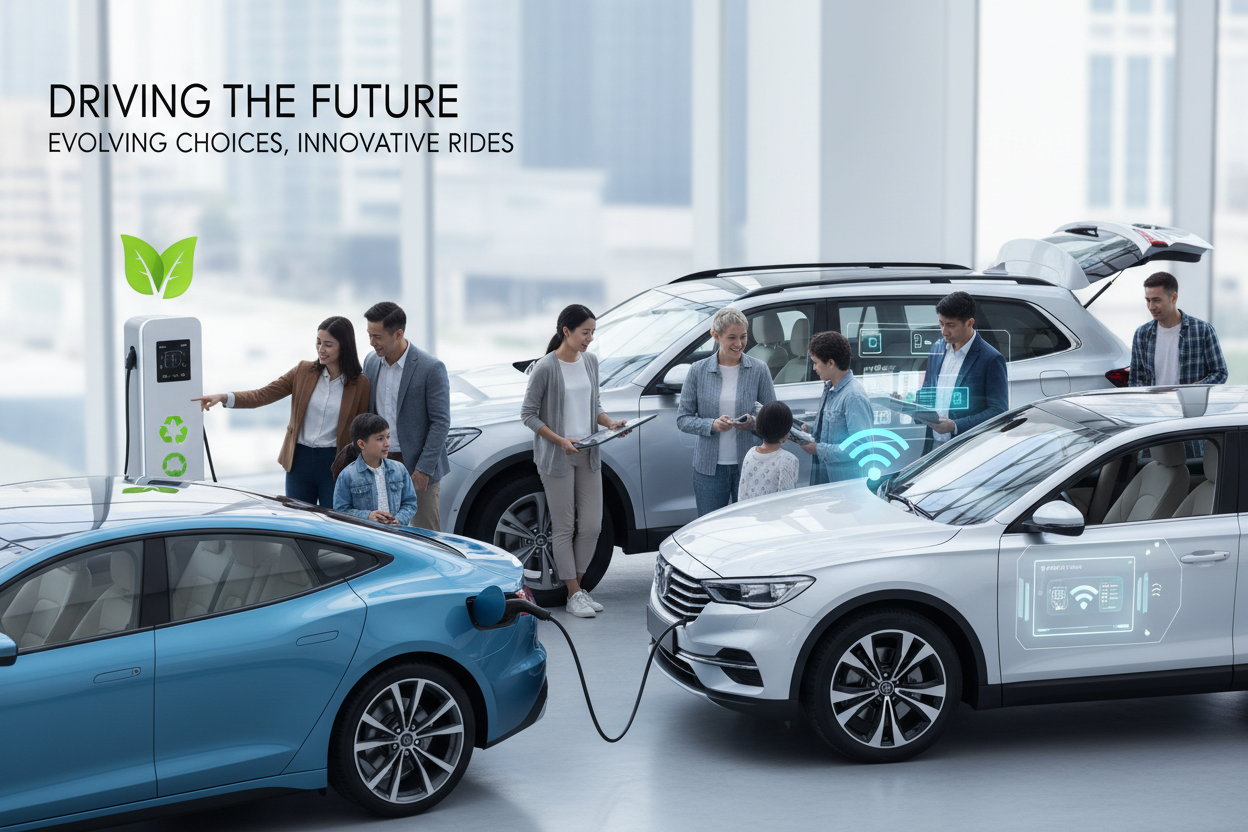
Consumer preferences are reshaping the automotive industry, driving trends like the demand for electric vehicles, sustainable materials, and larger vehicles like SUVs. Technological advancements in connectivity, safety features, and the allure of autonomous driving are influencing buying decisions. Economic factors such as fuel prices and financing options also play a crucial role. Brand loyalty, the impact of social media, and diverse consumer segments further shape the market. The future will see a shift towards shared mobility, sustainability, and the integration of advanced technologies, making it essential for manufacturers to adapt to these changes.
Frequently Asked Questions
1. What are the main factors influencing consumer preferences in the automotive industry?
2. Why is there an increasing demand for electric vehicles (EVs)?
3. How do technological advancements impact consumer choices in the automotive sector?
4. What role do economic factors play in automotive purchasing decisions?
5. How do younger consumers differ from older generations in their automotive preferences?
The automotive industry is constantly evolving, adapting to new technologies, societal changes, and, most importantly, consumer preferences. Understanding what drives consumer choices is crucial for manufacturers, marketers, and businesses within the automotive sector. In this blog post, we delve into how consumer preferences shape automotive trends and what this means for the future of the automotive landscape.
The Influence of Consumer Lifestyle on Automotive Buying Decisions
Modern consumers are more informed than ever before. Factors such as convenience, cost efficiency, and sustainability are at the forefront of their automotive purchasing decisions. This shift in priority has led to the following notable trends:
1. Increasing Demand for Electric Vehicles (EVs)
With growing awareness about climate change and environmental issues, consumers are gravitating towards electric vehicles. The rising demand is fueled by:
- Government incentives promoting EV adoption
- Advancements in battery technology resulting in longer ranges
- A broader selection of electric models catering to diverse preferences
2. Preference for Sustainable Materials
As sustainability becomes a primary concern, consumers are looking for vehicles made from recycled or eco-friendly materials. This has resulted in manufacturers exploring innovative solutions to meet these demands.
3. The Popularity of SUVs and Crossovers
According to market reports, consumer preference has shifted towards larger vehicles like SUVs and crossovers, leading to a decline in sedan sales. This trend can be attributed to several factors:
- Perceived safety and spaciousness
- Enhanced versatility for family needs
- Increased performance capabilities, including off-road options
Technological Advancements and Consumer Preferences
Technological innovation is a key driver in the evolution of consumer preferences within the automotive sector. The integration of advanced technology not only enhances vehicle performance but also meets consumer expectations for modern conveniences.
1. Connectivity and Infotainment Systems
Today’s consumers prioritize connectivity in their vehicles. Features such as:
- Smartphone integration (Apple CarPlay, Android Auto)
- Real-time navigation and traffic updates
- In-car entertainment options for passengers
have become essential for many buyers, making technology a pivotal aspect of automotive design and functionality.
2. Advanced Driver Assistance Systems (ADAS)
Safety is a primary concern for consumers, and the incorporation of ADAS technology has changed how buyers evaluate vehicles. Features such as lane-keeping assistance, adaptive cruise control, and automatic braking have transformed consumer expectations, pushing manufacturers to prioritize these safety technologies.
3. Autonomous Driving Technology
Although fully autonomous vehicles are still emerging, consumer interest is palpable. Car buyers are attracted to the idea of vehicles that can drive themselves, easing the burden of long commutes and enhancing overall mobility. This trend will likely shape future developments in automotive technology.
Economic Factors That Affect Consumer Choices
The state of the economy plays a significant role in shaping consumer preferences in the automotive market. Economic considerations can influence purchasing power, financing options, and overall buying sentiment.
1. Influence of Fuel Prices
High fuel prices often push consumers to consider more fuel-efficient options, including hybrid and electric vehicles. In times of economic instability, buyers tend to prioritize affordability and long-term savings over luxury features.
2. Financing and Credit Availability
The availability of financing options such as low-interest loans or leasing deals can also sway consumer decisions. A favorable economic environment often encourages consumers to buy new vehicles, while high-interest rates might drive them towards pre-owned cars.
The Role of Brand Loyalty and Marketing
Consistent consumer preferences often lead to brand loyalty, significantly influencing automotive trends. Successful marketing strategies that engage audiences and highlight unique selling propositions can drive this loyalty.
1. Impact of Social Media and Online Reviews
The digital era has transformed the way consumers research and evaluate vehicles. Social media platforms and review websites play a crucial role in shaping opinions and driving consumer preferences. The influence of online testimonials can enhance or diminish brand loyalty.
2. The Importance of Customer Experience
Exceptional customer service and overall experiences can create lasting impressions that influence consumer choices. Brands that provide transparency, accessibility, and personalized experiences tend to retain customers, laying the groundwork for future sales.
Diverse Consumer Preferences and Market Segmentation
The automotive market is populated with a diverse array of consumer preferences, leading to increasing market segmentation. Understanding these segments allows manufacturers to tailor products to meet specific needs.
1. Millennials and Gen Z Consumers
Younger consumers are redefining mobility and turning to options such as car-sharing services, electric vehicles, and alternative ownership models. As environmental consciousness increases among this demographic, manufacturers are adjusting their strategies to align with their values.
2. Baby Boomers and Retired Consumers
On the other hand, older generations often prioritize comfort, reliability, and safety in their vehicle choices. Manufacturers that cater to this demographic’s unique preferences can better position themselves in the market.
The Future of Automotive Trends
As consumer preferences continue to shape the automotive landscape, several future trends are expected to emerge:
1. The Shift Towards Shared Mobility
As urbanization advances, more consumers will turn to shared mobility solutions. The growing interest in ride-sharing and car-sharing services indicates a departure from traditional ownership models, reshaping the automotive business model.
2. Continued Focus on Sustainability
The pursuit of sustainable solutions will remain a dominant force in the automotive industry. Consumers are likely to demand more environmentally friendly materials, along with sustainable manufacturing practices, leading manufacturers to innovate relentlessly.
3. Integration of Advanced Technologies
Technologies such as artificial intelligence, the Internet of Things (IoT), and blockchain promises to revolutionize automotive ecosystems further. These technologies will not only enhance vehicle performance but also improve overall user experience.
By understanding the impact of consumer preferences on automotive trends, brands and businesses can remain competitive in this rapidly changing market. The automotive landscape will continue to evolve, reflecting the ever-changing desires of consumers. Embracing these shifts and aligning with consumer values will be key components for success in the future.
As we navigate through the complexities of consumer preferences, it’s clear that the automotive industry is ripe for transformation. Staying attuned to these shifts will not only drive innovation but also help create vehicles that resonate with the heart and soul of today’s car enthusiasts.