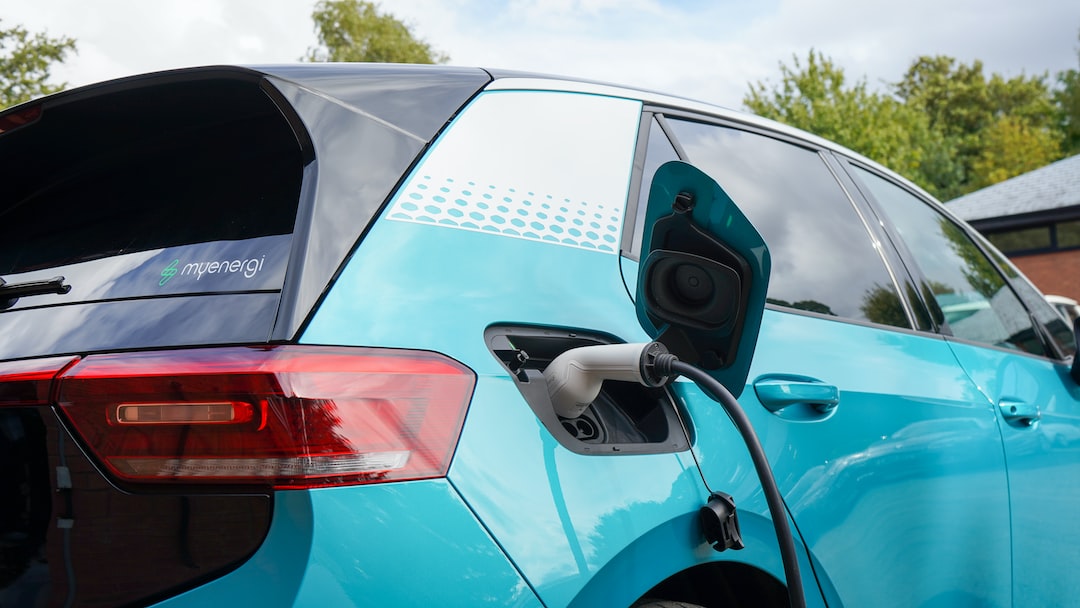
Electric cars have come a long way since their inception, and they are now shaping the future of transportation in ways that were unimaginable just a few decades ago. With advancements in technology and a growing concern for the environment, electric cars are rapidly gaining popularity. In this blog post, we will explore the various ways electric cars are transforming the automotive industry and how they are paving the way towards a more sustainable future.
1. Environmental Impact
One of the most significant advantages of electric cars is their reduced environmental impact. Unlike conventional vehicles that run on gasoline or diesel, electric cars produce zero tailpipe emissions. By transitioning to electric vehicles, we can significantly reduce air pollution and our dependence on fossil fuels, which translates into a cleaner and healthier environment for all.
2. Energy Efficiency
Electric cars are more energy-efficient than their traditional counterparts. Conventional internal combustion engines waste a significant amount of energy through friction and heat. In contrast, electric cars convert a larger portion of their stored energy into propulsion. This increased efficiency means electric cars can travel further on a single charge, reducing the need for frequent refueling.
3. Cost Savings
While the upfront cost of an electric car may be higher than that of a conventional vehicle, electric cars offer long-term cost savings. The cost of electricity to charge an electric car is significantly lower compared to the cost of gasoline or diesel. Additionally, electric cars require less frequent maintenance and have fewer moving parts, reducing the overall cost of ownership over time.
4. Government Incentives
To encourage the adoption of electric vehicles, many governments around the world offer various incentives. These include tax credits, rebates, and exemptions from certain fees and charges. By taking advantage of these incentives, individuals and businesses can significantly reduce the cost of purchasing an electric car, making them more accessible to a wider audience.
5. Improved Battery Technology
The development of advanced battery technology is key to the success of electric cars. In recent years, there have been significant advancements in battery technology, leading to increased energy density, longer range, and faster charging times. As battery technology continues to evolve, electric cars will become even more practical and convenient for everyday use.
6. Charging Infrastructure
One of the initial concerns with electric cars was the limited availability of charging infrastructure. However, significant investments are being made to expand the charging network globally. Public charging stations are becoming more common, and companies are also installing charging stations in workplaces and residential areas. With a growing number of charging options, range anxiety is becoming a thing of the past for electric car owners.
7. Renewable Energy Integration
Electric cars are an excellent complement to renewable energy sources such as solar and wind power. By charging electric cars with renewable energy, we can further reduce greenhouse gas emissions and make transportation even greener. As the share of renewable energy in the electricity grid continues to grow, the environmental benefits of electric cars will only increase.
8. Technological Advancements
Electric cars are at the forefront of technological innovation. They often come equipped with advanced features such as regenerative braking, smart connectivity, and autonomous driving capabilities. These technological advancements not only improve the driving experience but also contribute to increased road safety and efficiency.
9. Market Expansion
The electric car market is expanding rapidly as more automakers are investing in electric vehicle production. With a growing range of options available to consumers, there is a greater choice for individuals looking to switch to electric. Increased competition in the market also leads to more affordable electric car models, making them more accessible to a broader range of consumers.
10. Reduced Noise Pollution
Electric cars produce less noise compared to conventional vehicles. Conventional engines generate noise through exhaust systems and internal combustion, whereas electric cars operate quietly. This reduction in noise pollution has several benefits, including quieter streets and a more peaceful driving experience.
11. Health Benefits
Electric cars contribute to improved air quality, which has numerous health benefits. By reducing air pollution, electric vehicles help decrease the prevalence of respiratory diseases and other health issues caused by harmful emissions. By choosing electric cars, we can prioritize our health and the well-being of future generations.
12. Inspiring Innovation
The rise of electric cars has inspired significant innovation within the automotive industry. Automakers and entrepreneurs are continuously working towards developing new technologies and improving existing ones. The competition among industry players drives innovation, resulting in more efficient and advanced electric vehicles.
In Conclusion
Electric cars are revolutionizing the way we think about transportation. With their environmental benefits, cost savings, and technological advancements, electric cars are shaping the future of transportation in a sustainable and exciting way. By embracing electric cars, we can contribute to a cleaner environment and a brighter future for generations to come.
