
Overview
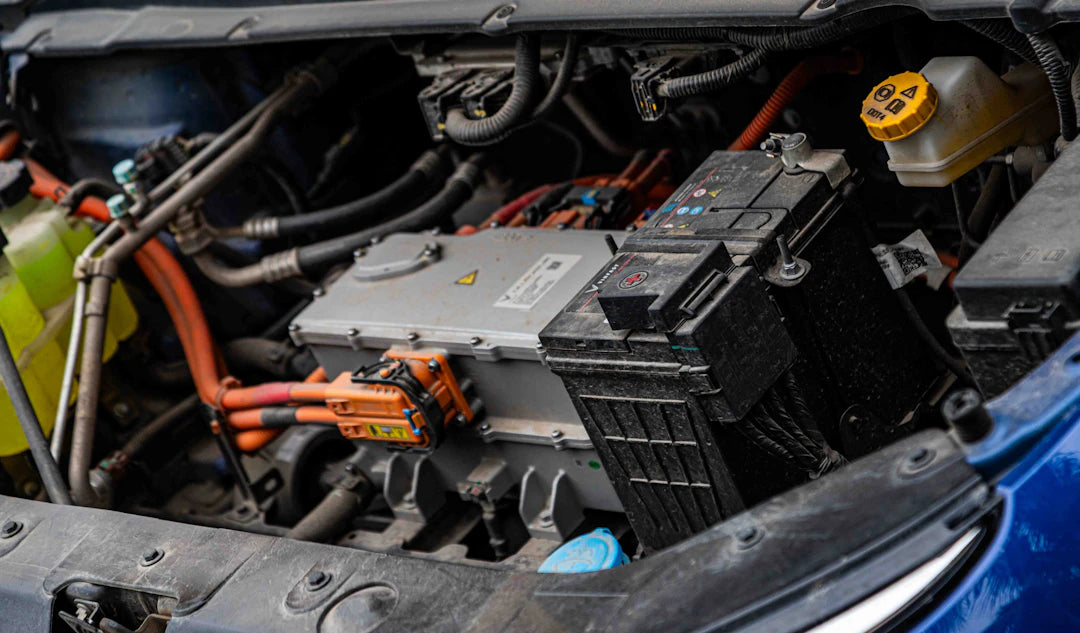
Hybrid and electric vehicles are key to sustainable transportation, each offering unique benefits. EVs run solely on electricity, producing zero emissions, while hybrids combine an electric motor with a gasoline engine for improved fuel efficiency. Consider driving habits, environmental impact, and costs when choosing between them. Advances in battery technology and autonomous driving are shaping their future. Embracing these vehicles contributes to a greener planet.
Frequently Asked Questions
1. What are hybrid and electric vehicles?
2. What are the advantages of electric vehicles?
3. What types of hybrid vehicles are available?
4. What should I consider when choosing between a hybrid and an electric vehicle?
5. What are some common myths about electric and hybrid vehicles?
With the growing focus on sustainability and environmental consciousness, hybrid and electric vehicles (EVs) have become more mainstream than ever. As drivers look for options that align with eco-friendly practices, understanding the fundamental differences and benefits of these vehicles is essential. This guide dives into the basics of hybrid and electric vehicles, helping you to appreciate their significance in modern transportation.
What Are Hybrid and Electric Vehicles?
Hybrid and electric vehicles are pivotal components in reducing our carbon footprint. While they both address the same core issue—decreasing pollution and reliance on fossil fuels—they incorporate different technologies to achieve their goals.
Electric Vehicles (EVs)
Electric vehicles run entirely on electricity, utilizing rechargeable battery packs to power an electric motor. They produce zero tailpipe emissions, making them a clean alternative to traditional gasoline-powered vehicles. As technology advances, the range and efficiency of EVs continue to improve, allowing for longer journeys without the fear of running out of charge.
Hybrid Vehicles
Hybrid vehicles combine a traditional internal combustion engine with an electric motor. This combination allows for greater fuel efficiency while minimizing emissions. Depending on the type of hybrid—such as a mild hybrid or a plug-in hybrid—drivers can benefit from improved mileage and reduced fuel consumption.
Understanding the Different Types of Hybrid Vehicles
Knowing the variety of hybrid vehicles available can help you make informed decisions about which type may be right for you.
Full Hybrid
A full hybrid (or just hybrid) vehicle can operate using either the electric motor or the gasoline engine, or both combined. These cars intelligently switch between power sources based on driving conditions, often maximizing efficiency.
Mild Hybrid
Mild hybrids utilize a small electric motor that assists the gasoline engine but cannot power the vehicle alone. This system helps reduce fuel consumption and improves overall efficiency without needing a large battery.
Plug-In Hybrid
Plug-in hybrids are similar to full hybrids but feature larger batteries that can be charged via an external power source. This allows them to travel longer distances on electric power before switching to gasoline, making them ideal for short commutes.
The Advantages of Electric Vehicles
Electric vehicles offer several advantages, making them increasingly appealing to consumers. Here are some key benefits:
- Environmentally Friendly: With no tailpipe emissions, EVs significantly reduce air pollution.
- Lower Operating Costs: Electricity is often cheaper than gasoline, leading to reduced fueling costs.
- Reduced Maintenance: Electric motors have fewer moving parts compared to internal combustion engines, resulting in lower maintenance needs.
- Government Incentives: Many governments offer tax credits and rebates for purchasing electric vehicles.
The Benefits of Hybrid Vehicles
Hybrids also present a unique set of advantages, particularly for those who are not ready to leap into a fully electric lifestyle.
- Enhanced Fuel Efficiency: Hybrids typically consume less fuel and emit fewer emissions compared to conventional vehicles.
- Versatility in Power Source: The combination of an electric motor and gasoline engine allows for greater operational flexibility.
- Regenerative Braking: Many hybrids utilize regenerative braking systems to recharge the battery while driving, increasing efficiency.
What to Consider When Choosing Between Hybrid and Electric
When it comes to picking the right vehicle type, there are several factors to weigh:
Driving Habits
Consider how often you drive and the distances involved. If your daily commute is within the range of an electric vehicle and you have access to charging facilities, an EV might be an ideal option. Conversely, if you frequently take long journeys without charging opportunities, a hybrid may better suit your needs.
Environmental Concerns
If reducing your carbon footprint is a primary goal, an electric vehicle will produce no emissions during operation. However, you must also consider how the electricity is generated in your area. If your electricity is sourced from renewable energy, the impact is significantly lower.
Cost and Budget
While hybrid and electric vehicles can be more expensive upfront than their gasoline counterparts, the long-term savings in fuel and maintenance can outweigh these initial costs. Additionally, explore potential government incentives, rebates, and financing options that may lower your total expenditure.
Debunking Common Myths About EVs and Hybrids
Despite the numerous advantages, misconceptions about hybrid and electric vehicles persist. Let's tackle some common myths:
Electric Vehicles Have a Limited Range
While early models of electric vehicles struggled with range anxiety, advancements in battery technology have significantly extended the range of modern EVs. Many can now travel well over 200 miles on a single charge.
Hybrids Are Not as Powerful as Gasoline Vehicles
Many consumers believe that hybrids lack power and acceleration. However, the instant torque provided by electric motors allows hybrids to deliver impressive acceleration without compromising performance.
Charging Stations Are Hard to Find
While charging infrastructure may have been limited in the past, it is expanding rapidly. Many cities now have numerous charging stations, and tools are available to help locate them easily.
Future Trends in Hybrid and Electric Vehicles
The automotive landscape is evolving, with exciting advancements in hybrid and electric vehicle technology on the horizon.
Battery Technology
Ongoing research in battery technology aims to increase energy density, decrease charging times, and improve longevity. Innovations such as solid-state batteries promise to revolutionize the EV market by providing safer, more efficient energy storage alternatives.
Autonomous Driving
As hybrid and electric vehicle technology advances, so does the development of autonomous driving systems. Many manufacturers are investing in research to create self-driving technology that enhances safety and offers convenience for commuters.
Making the Move to Hybrid or Electric
Transitioning to a hybrid or electric vehicle is a significant step towards sustainable living. Whether you are motivated by cost savings, environmental impacts, or simply the thrill of new technology, these vehicles offer various options to fit any lifestyle.
Research and Education
Before making a decision, take the time to educate yourself on available models, benefits, and potential drawbacks. Visit local dealerships, take test drives, and explore user reviews online to gather comprehensive information.
Consider Your Lifestyle
Assess your daily driving patterns, commuting distances, and charging options to determine whether a hybrid or electric vehicle aligns with your needs. Consider your long-term goals and how a new vehicle purchase fits into those plans.
Ride the Wave of Change
Embracing hybrid and electric vehicles presents us with the opportunity to contribute to a cleaner, greener planet. As technology progresses, it’s vital to stay informed about your options and choices in the automotive world. Choose wisely, and you’ll be part of the change toward a sustainable future while enjoying the many benefits these vehicles offer.