
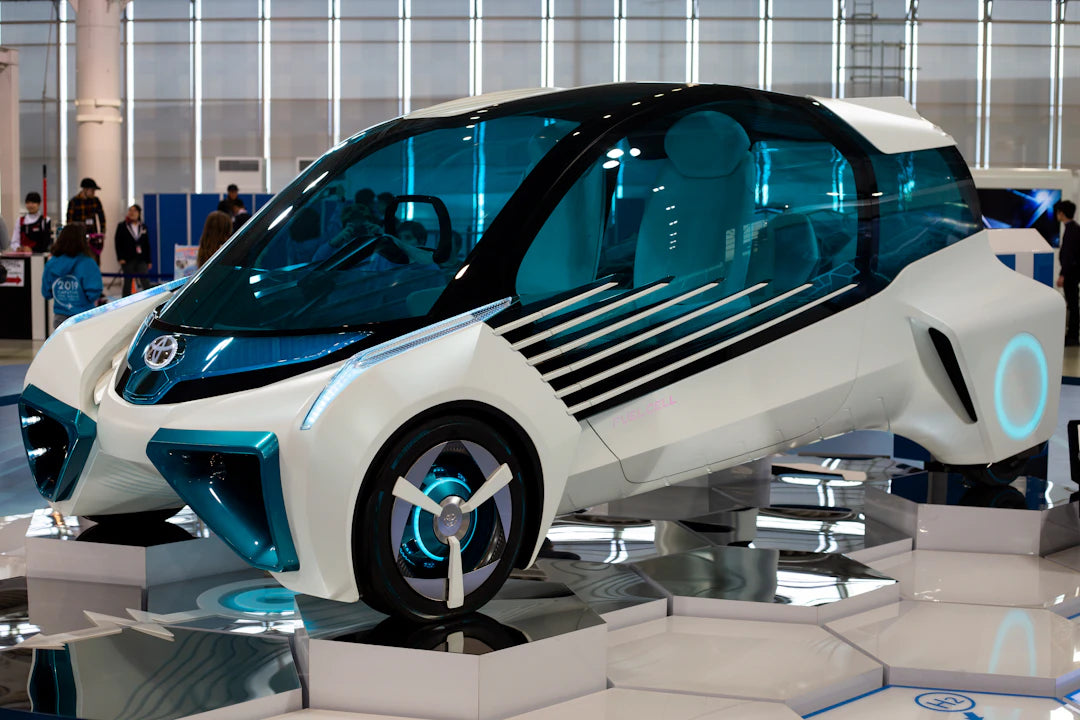
Frequently Asked Questions
1. What are hydrogen fuel cells?
2. What are the benefits of hydrogen fuel cells in the automotive industry?
3. What are the challenges in adopting hydrogen fuel cells?
4. How do hydrogen fuel cells compare with electric vehicles?
5. What initiatives are promoting the future of hydrogen fuel cells?
As the automotive industry continues to evolve, the search for sustainable energy solutions intensifies. One of the most promising technologies gaining traction is hydrogen fuel cells. With their potential to redefine how vehicles are powered, hydrogen fuel cells could pave the way for a cleaner, more efficient future. In this article, we explore their significance, benefits, challenges, and the future landscape of hydrogen-powered vehicles.
What are Hydrogen Fuel Cells?
Hydrogen fuel cells are electrochemical devices that convert the chemical energy of hydrogen into electricity through a reaction with oxygen. This process produces only water and heat as byproducts, making them a clean energy source for various applications, especially in the automotive industry.
How Do Hydrogen Fuel Cells Work?
The basic operation of a hydrogen fuel cell involves a few simple components:
- Anode: The negative side of the fuel cell, where hydrogen gas is introduced.
- Cathode: The positive side, where oxygen (usually from ambient air) is supplied.
- Electrolyte Membrane: Conducts protons from the anode to the cathode while blocking electrons.
- External Circuit: The path through which the electrons flow, creating electricity.
When hydrogen gas is passed over the anode, it splits into protons and electrons. The protons move through the electrolyte membrane to the cathode, whereas the electrons flow through an external circuit, generating electric power. At the cathode, the protons reunite with electrons and combine with oxygen to form water, the only emission from this clean energy source.
Benefits of Hydrogen Fuel Cells in Automotive
As we dive deeper into the architecture of hydrogen fuel cells, it is crucial to highlight their various advantages that make them a compelling choice for the automotive industry.
Zero Emissions
The most obvious benefit of hydrogen fuel cells is their capability to produce zero harmful emissions. Unlike conventional combustion engines that release greenhouse gases and other pollutants, hydrogen-powered vehicles emit only water vapor. This significantly contributes to reducing air pollution in urban areas and fighting climate change.
High Energy Density
Hydrogen fuel has a high energy density compared to traditional battery technology. This means that packed with the same amount of energy, a hydrogen fuel cell can be lighter and smaller. Thus, hydrogen-powered vehicles can potentially travel longer distances on a single tank compared to electric vehicles relying solely on batteries.
Quick Refuelling
One major advantage of hydrogen fuel cells over conventional electric vehicles is the refuelling time. While it can take hours to recharge an electric vehicle, hydrogen-powered vehicles can be refueled in approximately 5 minutes, similar to the time it takes to fill a gas tank. This convenience can enhance user experience and encourage normalcy in switching to hydrogen-fueled cars.
Efficiency
Hydrogen fuel cells are highly efficient at converting fuel into energy. Unlike combustion engines, which only convert about 20% of fuel into usable energy, fuel cells can achieve an efficiency rate of up to 60%. This increased efficiency could lead to lower fuel consumption and reduced costs for consumers.
Challenges in Adoption
Despite the promising benefits of hydrogen fuel cells, there are several challenges the automotive industry must address before widespread adoption can occur.
Infrastructure Development
One of the most significant barriers to the growth of hydrogen-powered vehicles is the lack of refueling infrastructure. While more stations are being built, they are still limited compared to traditional gas stations or electric vehicle charging points. Expanding this network is essential to encourage consumer acceptance and convenience.
Costs of Production
The production of hydrogen fuel cells currently involves expensive materials, particularly platinum, which is a key component in the catalysts used in these cells. Reducing the costs through alternative materials and improved manufacturing techniques will be essential for making hydrogen fuel cells a cost-effective option.
Hydrogen Source
Not all hydrogen is created equal; it's crucial to ensure that the hydrogen used in fuel cells is produced sustainably. The most common production methods today involve the use of natural gas, leading to greenhouse gas emissions. Transitioning to greener methods, such as electrolysis powered by renewable energy sources, is imperative for achieving the full environmental benefits of hydrogen technology.
The Future of Hydrogen Fuel Cells in the Automotive Industry
The future of hydrogen fuel cells holds significant potential, particularly as governments and companies worldwide are increasingly committing to reducing carbon emissions and transitioning to sustainable energy sources. Let’s delve into some emerging trends and initiatives shaping this future.
Government Initiatives
Numerous governments have jumped on the hydrogen bandwagon, initiating various programs and incentives aimed at promoting hydrogen vehicles. Many nations are investing in research and development, as well as subsidies, to stimulate the growth of the hydrogen economy. For example, countries like Japan, Germany, and South Korea have implemented comprehensive agendas to promote hydrogen fuel cell technology.
Collaborations and Partnerships
In the spirit of innovation, automakers are engaging in collaborations to accelerate the development of hydrogen fuel cell vehicles. Partnerships among automotive companies, tech startups, and research institutes are critical to sharing knowledge, resources, and investments. Such collaborative efforts are essential for creating better and more affordable hydrogen technologies.
Commercial Applications
Hydrogen fuel cells are already in use or are being developed for various commercial applications. Beyond passenger vehicles, they are showing promise in buses, trucks, and other heavy-duty transport modes. The logistics industry, in particular, stands to benefit from the high efficiency and quick refueling times, solving challenges related to large shipment deliveries.
Hydrogen vs. Electric Vehicles: A Comparative Analysis
In the ongoing debate between hydrogen and battery-powered electric vehicles, both technologies have their merits and shortcomings. An understanding of these differences can help consumers and businesses alike in making informed decisions.
Energy Storage and Range
While electric vehicles rely on large battery packs for energy storage, hydrogen vehicles can store fuel in tanks, providing better range capabilities. Electric vehicles may face limitations in distance traveled before needing a recharge, while hydrogen-powered vehicles can travel longer distances without compromising performance.
Environmental Impact
Both technologies aim for sustainability; however, the two differ in manufacturing processes and raw material sourcing. Electric batteries often rely on metals such as lithium and cobalt, which involve mining and can cause environmental harm. Hydrogen production, if sourced sustainably, has the potential to produce a smaller carbon footprint.
Market Viability
Both hydrogen and electric vehicles are likely to coexist in the market as complementary technologies. While electric vehicles have captured a larger portion of the market share, hydrogen fuel cells are anticipated to be essential for specific applications where electric vehicles may fall short, particularly in long-haul transportation.
Consumers' Perspective: Embracing the Change
As consumers become more conscious of their environmental impact, the interest in hydrogen fuel cells is likely to grow. However, awareness and education surrounding this technology play a significant role in adoption rates.
Community Engagement
Automakers and advocates need to actively engage with the community to raise awareness about the benefits and capabilities of hydrogen fuel cells. Hosting informational sessions, exhibitions, and hands-on experiences with hydrogen vehicles can demystify this technology and promote acceptance among potential users.
Financial Incentives
Governments and financial institutions can provide incentives to lower the financial barriers associated with purchasing hydrogen vehicles. Tax breaks, rebates, and grants are critical for fostering consumer interest and ultimately driving market growth.
Embracing a Sustainable Future
As we stand on the cusp of a new chapter in automotive technology, hydrogen fuel cells present an exciting opportunity to transform the industry. With emerging innovations and strategic efforts to overcome current challenges, hydrogen fuel cells have the potential to usher in a new era of sustainable automotive technology. As consumers, industry players, and governments collaborate to embrace the change, the possibilities of a cleaner, more efficient transportation sector are within reach. Together, let’s accelerate towards a greener future!