Overview
AI is revolutionizing the automotive industry by enhancing safety features, improving driving experiences, enabling autonomous vehicles, and promoting sustainability. Key advancements include predictive maintenance, smart navigation, and the shift towards alternative vehicle ownership models. Despite challenges like regulatory hurdles and consumer acceptance, AI's integration signifies a transformative future for transportation.
Frequently Asked Questions
1. What role does AI play in modern cars?
2. How has the integration of AI in vehicles evolved over the years?
3. What are some key safety features enabled by AI in modern vehicles?
4. What challenges do autonomous vehicles face according to the article?
5. How does AI contribute to sustainability in the automotive industry?
In recent years, the automotive industry has undergone a dramatic transformation, largely fueled by advancements in technology. At the forefront of this revolution is Artificial Intelligence (AI), which is playing a pivotal role in shaping the future of modern vehicles. From enhancing safety features to improving the driving experience, AI is not just a technological novelty; it is a game-changer. In this article, we will explore how AI is integrated into modern cars and the far-reaching implications it holds for the automotive industry.
The Evolution of AI in the Automotive Sector
The journey of AI in vehicles dates back several decades. Initially, the focus was primarily on automation and basic computer systems. However, with the advent of machine learning and deep learning, AI has evolved far beyond simple algorithms. Today, AI systems can analyze vast amounts of data in real-time, making decisions based on complex variables and environment changes.
History of AI in Cars
The early integration of AI-like features began with anti-lock braking systems (ABS) and basic navigation systems. However, as technology advanced and data storage became more robust, AI capabilities expanded:
- 1990s: Introduction of basic driving assistance and navigation systems.
- 2000s: Development of automated parking systems and adaptive cruise control.
- 2010s: Emergence of autonomous vehicles and advanced driver-assistance systems (ADAS).
- 2020s: Widespread integration of AI-driven predictive systems and enhanced safety features.
Key Areas of AI Integration in Modern Cars
AI technology is reshaping various aspects of vehicle functionality and user interaction. Below are some key areas where AI is making significant strides:
Safety Features
One of the primary applications of AI in modern vehicles is enhancing safety. AI algorithms process real-time data from various sensors, cameras, and radar systems, allowing vehicles to detect and respond to potential hazards. Key safety features include:
- Automatic Emergency Braking: AI detects imminent collisions and applies brakes autonomously, significantly reducing accident severity.
- Lane Departure Warning: AI assesses lane positioning, alerting drivers if they unintentionally drift out of their lane.
- Blind Spot Detection: AI analyzes surrounding vehicles to inform drivers of concealed dangers when changing lanes.
Enhanced Driving Experience
AI also significantly improves the overall driving experience. Today’s vehicles can adjust to driver preferences, making every journey more personalized:
- Adaptive Cruise Control: AI adjusts the vehicle's speed based on traffic flow, maintaining a safe distance from the car ahead.
- Voice Recognition Systems: AI-enabled voice assistants allow drivers to control navigation, music, and calls, reducing distractions.
- Personalized Settings: AI analyzes user behavior to adjust seating positions, climate controls, and preferences automatically.
Smart Navigation
Traditional navigation systems are enhancing their functionality thanks to AI. Modern vehicles utilize real-time data to provide smarter route suggestions based on traffic, weather, and even road conditions:
- Dynamic Route Optimization: AI recalibrates routes during travel in response to unexpected traffic conditions.
- Predictive Maintenance: AI monitors vehicle health, predicting issues before they arise and suggesting optimal maintenance schedules.
Autonomous Vehicles and the Future
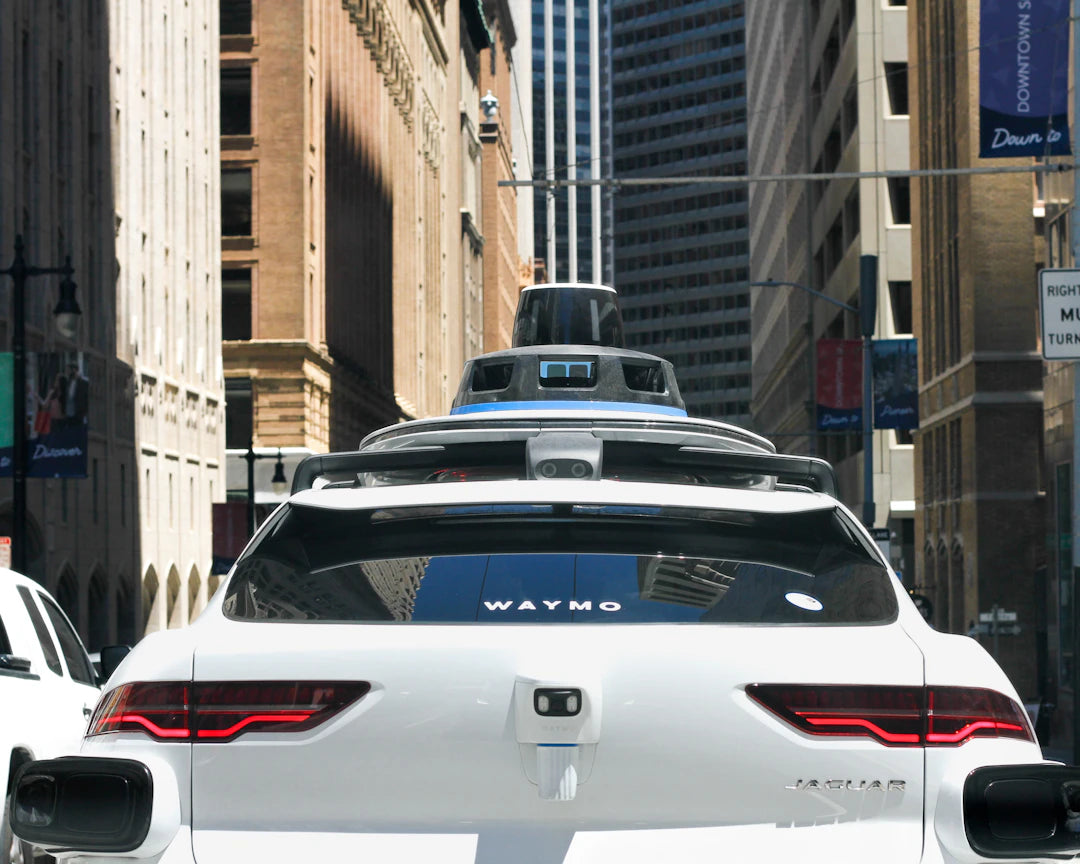
Perhaps the most exciting aspect of AI in today's automotive landscape is autonomous vehicles. These self-driving cars promise to revolutionize the way we think about transportation:
Level of Autonomy
Autonomous vehicles are categorized into different levels based on their capability, from Level 0 (no automation) to Level 5 (fully autonomous). Here is a brief overview:
- Level 1: Driver assistance systems, e.g., adaptive cruise control.
- Level 2: Partial automation, where the vehicle can control steering and acceleration.
- Level 3: Conditional automation, allowing the vehicle to take over under specific conditions.
- Level 4: High automation, capable of handling most driving tasks independently.
- Level 5: Full automation, operating without human intervention.
The Challenges Ahead
While AI-driven autonomous vehicles promise to transform transportation, several challenges remain:
- Regulatory Hurdles: Governments are still formulating regulations that govern autonomous vehicles' safety and liability.
- Infrastructure Adjustments: Smart city infrastructure will need enhancements to accommodate AI-driven cars effectively.
- Consumer Acceptance: Many individuals remain skeptical regarding the safety and efficacy of autonomous driving.
The Role of AI in Sustainability
As the world becomes more environmentally conscious, the role of AI in creating sustainable automotive solutions cannot be understated. AI technologies contribute to green initiatives in various ways:
Fuel Efficiency
By incorporating AI algorithms, vehicles can achieve optimal fuel efficiency through:
- Smart Driving Patterns: AI adjusts driving strategies based on traffic and weather conditions to minimize fuel consumption.
- Real-Time Data Reporting: AI analyzes driving behavior over time to suggest eco-friendly driving habits.
Electric Vehicles (EVs)
The rise of electric vehicles is another area where AI plays a significant role. AI algorithms can optimize battery performance, ensuring longevity and efficiency:
- Smart Charging: AI manages charging schedules based on energy demand and user preferences.
- Route Planning for EVs: AI predicts charging station availability along routes, ensuring drivers can recharge conveniently.
How AI is Shaping Car Maintenance
AI is also set to transform the maintenance landscape by predicting vehicle health and automating service schedules. Gone are the days of relying solely on annual inspections:
Predictive Analytics
Automakers are harnessing AI technology to preemptively identify potential issues:
- Data Monitoring: AI continuously analyzes data from vehicle components, identifying anomalies that signify potential problems.
- Maintenance Alerts: Based on predictive algorithms, drivers receive alerts for necessary repairs, improving vehicle longevity.
Enhanced Diagnostics
AI-driven diagnostic tools are revolutionizing repair processes:
- Advanced Troubleshooting: AI systems can learn from previous issues, diagnosing car problems more effectively.
- Remote Diagnostic Services: Car manufacturers can connect remotely to assess vehicle issues and recommend solutions instantly.
The Broader Implications of AI in the Automotive Industry
AI isn't just changing individual vehicles; it is reshaping the automotive industry as a whole:
Impact on Employment
The rise of AI in the automotive sector will inevitably influence job landscapes. While automation may replace various roles, new opportunities will arise in AI development, data analytics, and vehicle design.
Changes in Vehicle Ownership Models
AI technologies are fueling the growth of alternative ownership models such as ride-sharing and subscription services. By optimizing these services through AI, consumers may increasingly shift away from traditional vehicle ownership.
Final Thoughts on AI in the Automotive Sphere
Artificial Intelligence is undeniably transforming the automotive landscape as we know it. It enhances safety, improves driving experiences, and promises a future filled with autonomous vehicles. The integration of AI isn't merely a trend; it signifies a shift towards smarter, safer, and more sustainable transportation options. As consumers, we can expect continuous improvement and innovation as the automotive industry embraces the revolution AI brings. So buckle up; the future of modern cars is an exhilarating ride fueled by intelligence!
