Overview
AI is transforming the automotive industry by enhancing production efficiency, quality control, supply chain management, safety in vehicle design, and customer experience. Key advancements include automation of production lines, predictive analytics for demand forecasting, and the development of autonomous vehicles. The integration of AI with IoT promises a smarter future for manufacturing, requiring investment in workforce training to fully leverage these technologies.
Frequently Asked Questions
1. What role does AI play in car manufacturing?
2. How does AI improve production efficiency in the automotive industry?
3. What are the benefits of AI in quality control during manufacturing?
4. How does AI contribute to safety in vehicle design?
5. What impact does AI have on the customer experience in the automotive sector?
The automotive industry has always been a hotbed of innovation, but recent advancements in artificial intelligence (AI) are reshaping the landscape in unprecedented ways. As we shift into a new era of digital transformation, AI is proving to be an indispensable tool in car manufacturing, enhancing everything from production efficiency to safety measures. This blog post explores how AI is making waves across the industry and what it means for manufacturers, consumers, and the future of transportation.
Understanding AI in Car Manufacturing
Artificial Intelligence refers to the simulation of human intelligence in machines that are programmed to think and learn. In car manufacturing, AI technologies are employed in various stages of the production process, enabling manufacturers to optimize resource use, improve quality, and streamline operations.
From automating routine tasks to conducting complex analyses, AI is becoming a driving force behind operational efficiency. Let’s delve deeper into the multifaceted role that AI plays in car manufacturing.
Automating Production Lines
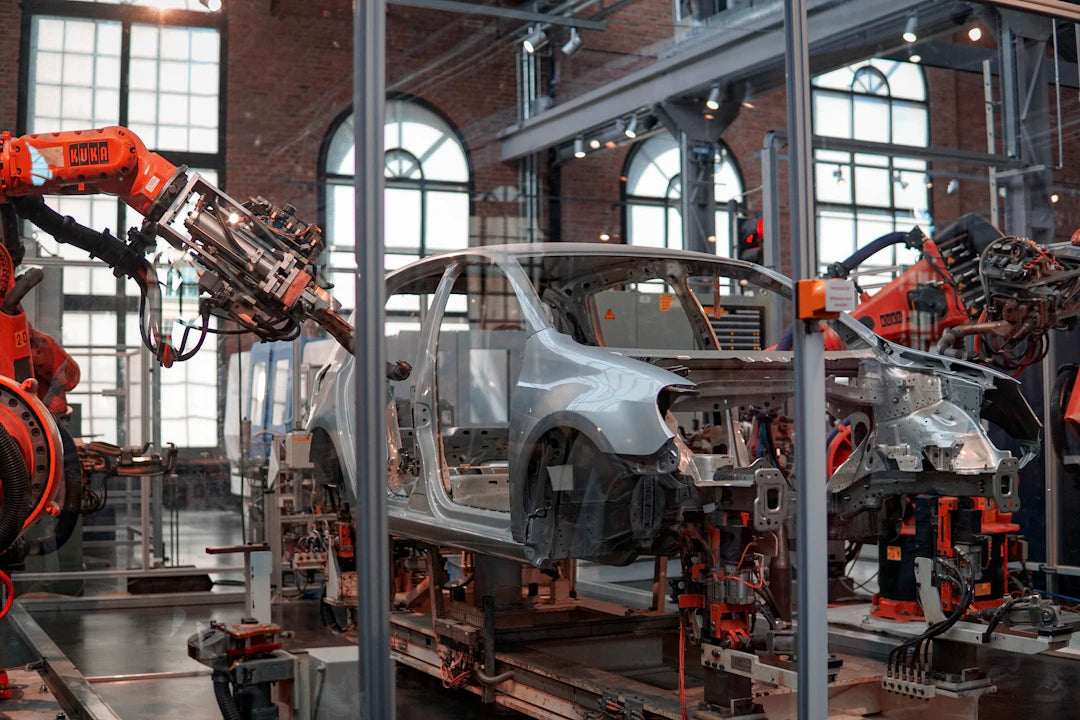
One of the most significant impacts of AI in car manufacturing is the automation of production lines. Robots equipped with AI can perform repetitive tasks with high precision, allowing for increased production rates. This not only ensures consistency in quality but also reduces the potential for human errors.
- Robotic welding
- Assembly line automation
- Quality control inspections
By incorporating AI-enabled robots, manufacturers can optimize workflow, leading to faster turnaround times and reduced costs. The automation of these tasks frees human workers to focus on more strategic roles, fostering a more innovative work environment.
Enhancing Quality Control
Quality assurance has always been a critical aspect of the automotive manufacturing process. With the advent of AI, machine learning algorithms can analyze vast amounts of data from production processes to identify anomalies or defects in real-time.
AI systems can utilize data from cameras and sensors to detect imperfections during the manufacturing process. By identifying issues immediately, manufacturers can rectify them quickly and maintain higher standards of quality. This proactive approach minimizes waste and improves customer satisfaction.
Optimizing Supply Chain Management
Supply chain management is another area where AI is making significant strides. The automotive sector relies on an intricate network of suppliers, manufacturers, and distributors. AI analyzes data patterns and demand forecasts to streamline inventory management and distribution processes.
Predictive Analytics for Demand Forecasting
Using predictive analytics, AI systems can forecast market trends and customer demands. This advanced capability enables manufacturers to adjust their production schedules proactively and optimize inventory levels. Efficient demand forecasting leads to cost savings and reduces the risk of overstocking or product shortages.
Connecting Data Across Platforms
AI facilitates seamless communication and data sharing between various departments within a manufacturing plant. By integrating various data streams—from production floor sensors to sales data—AI helps manufacturers better understand their operational efficiency, leading to informed decision-making and improved agility.
Improving Safety and Vehicle Design
With the integration of AI into car design, manufacturers are not only enhancing vehicle performance but also prioritizing safety. AI models are increasingly used to simulate crash tests and assess vehicle dynamics, helping engineers design safer cars.
Simulation and Testing
AI-driven simulations can create thousands of virtual crash scenarios, evaluating how different designs would hold up in real accidents. This rigorous testing reduces the time and costs associated with physical prototyping and testing. Vehicles can be designed to meet stringent safety standards before they even hit the assembly line.
Incorporating Consumer Insights
AI also allows manufacturers to gather and analyze consumer feedback more effectively. By utilizing social media analytics and customer reviews, AI can uncover consumer preferences and pain points. This valuable insight enables manufacturers to tailor their designs and features to meet market demands, enhancing user satisfaction.
Advancing Autonomous Vehicle Technology
The most visible application of AI in the automotive industry is in the development of autonomous vehicles. Self-driving technology relies heavily on AI algorithms to interpret data from sensors, cameras, and GPS systems. These advancements are not only revolutionizing the industry but also influencing consumer attitudes toward mobility.
The Role of Machine Learning
Machine learning, a subset of AI, plays a crucial role in the development of autonomous vehicles. By processing large datasets, machine learning models can improve decision-making capabilities, enabling vehicles to navigate complex environments safely.
These vehicles learn from real-world driving experiences, continuously improving their performance. As this technology matures, we can expect to see safer roads and more efficient traffic patterns.
Challenge of Regulation and Ethics
Despite the significant benefits that AI offers in the realm of autonomous driving, regulatory and ethical challenges remain. Manufacturers must navigate the complex landscape of legislation, liability, and public acceptance. As the technology evolves, so too will the need for clear guidelines and regulations to ensure safety and accountability in its deployment.
Transforming Customer Experience
AI transcends the manufacturing process, significantly enhancing the customer experience in the automotive sector. From personalized marketing to intelligent customer service, AI is transforming the way consumers interact with car manufacturers.
Personalized Marketing Strategies
AI analytics enable manufacturers to tailor marketing campaigns based on consumer behavior. By analyzing preferences and previous purchases, manufacturers can create personalized offers that are more likely to resonate with customers.
This data-driven approach not only enhances engagement but also boosts sales and customer loyalty. As consumers become accustomed to personalized experiences, those companies that leverage AI effectively will differentiate themselves in a competitive market.
Intelligent Customer Support
AI-powered chatbots and virtual assistants are revolutionizing customer service in the automotive industry. These tools provide instant support, answering queries and guiding customers through complex processes like purchasing, service scheduling, and warranty claims.
By offering 24/7 assistance, AI-driven customer support enhances the overall experience, leading to improved satisfaction and retention rates.
The Future of AI in Car Manufacturing
As we look ahead, the role of AI in car manufacturing will only continue to expand. Emerging technologies such as the Internet of Things (IoT), blockchain, and advanced robotics will intertwine with AI, creating even more opportunities for innovation.
The Synergy Between AI and IoT
The integration of IoT with AI systems can lead to smarter manufacturing processes. Sensors embedded in vehicles and production equipment can provide real-time data to AI systems, which can then analyze this data to further optimize operations. This connectivity will breed a new generation of smart factories and intelligent vehicles.
Preparing for an AI-Driven Future
Manufacturers must embrace AI and invest in training programs for their workforce to harness the full potential of these technologies. Educating employees about AI tools and systems is essential for maximizing productivity and maintaining a competitive edge.
Embracing Change for a Sustainable Future
The impact of AI on car manufacturing is profound and lasting. From enhancing production efficiency and safety to revolutionizing customer experiences, AI is paving the way for a new era in the automotive industry. Embracing these technological advancements not only benefits manufacturers but also meets the evolving needs of consumers.
By staying ahead of the curve and continuously innovating, the automotive industry can foster a sustainable future where efficiency, safety, and customer satisfaction are paramount. The possibilities are limitless, and the journey is just beginning!
