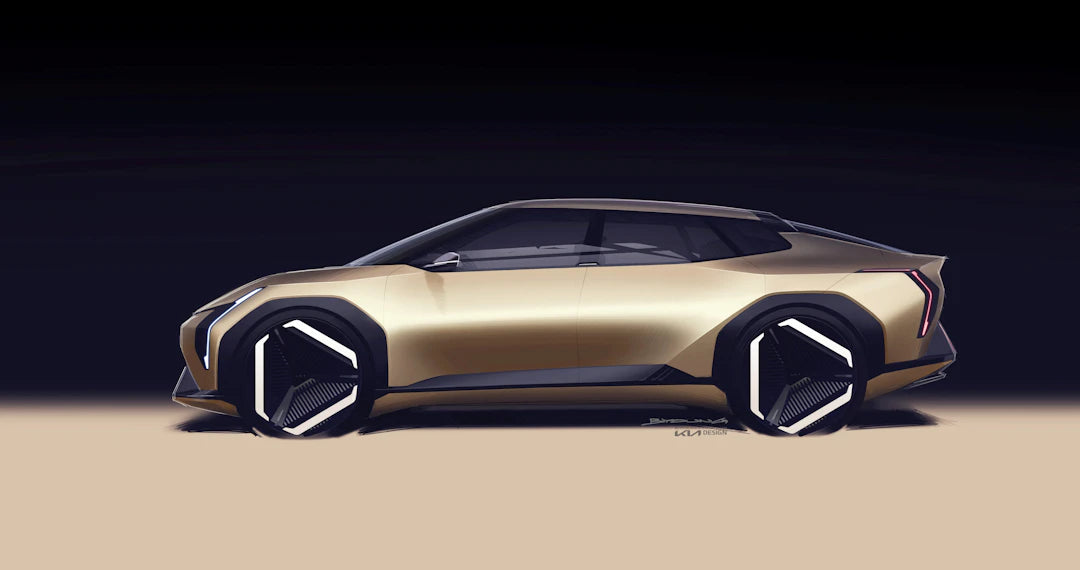
Overview
AI is revolutionizing the automotive industry by enhancing vehicle design and manufacturing processes. Key benefits include improved safety features, customization, and sustainability, while challenges such as high development costs, ethical concerns, and talent shortages persist. The future promises advancements like autonomous vehicles, smart manufacturing, and adaptive user interfaces, driving the industry towards greater efficiency and innovation.
Frequently Asked Questions
1. What is the role of AI in vehicle design?
2. What are the benefits of integrating AI into vehicle design?
3. What challenges does the automotive industry face with AI implementation?
4. How is AI influencing the future of vehicle design?
5. What should manufacturers consider when adopting AI technology?
The automotive industry is experiencing a revolution thanks to advances in artificial intelligence (AI). As technology progresses, the integration of AI into vehicle design not only enhances functionality but also reshapes the entire manufacturing process. This shift signifies a pivotal change in how vehicles are conceptualized, designed, produced, and marketed. In this blog post, we explore the profound influence of AI on vehicle design, its benefits, challenges, and future possibilities. Join us as we delve into the future of automotive innovation.
The Role of AI in Enhancing Vehicle Design
AI has become an integral part of the vehicle design process, offering innovative solutions that promote efficiency and creativity. Here are some of the key areas where AI plays a pivotal role:
1. Data-Driven Insights
Big data is a treasure trove of information that, when analyzed through AI algorithms, can provide insightful patterns and trends in consumer preferences and vehicle performance. By leveraging data analytics:
- Designers can identify popular features and amenities that enhance user satisfaction.
- Manufacturers can gauge the most efficient materials and designs to reduce costs and improve sustainability.
- Engineers can predict potential issues and make necessary adjustments early in the development process.
2. Generative Design Techniques
Generative design is a fascinating application of AI that allows designers to set goals and parameters, enabling the software to create a multitude of design options. This approach offers several advantages:
- Unconventional designs that optimize performance and aesthetics.
- Lower material waste due to optimized structural efficiency.
- Expedited design iterations, allowing for quicker prototyping and testing.
3. Virtual and Augmented Reality Integration
AI technology has paved the way for virtual and augmented reality trials, allowing designers and consumers to visualize vehicles in a digital space. This method offers unique benefits:
- Enhanced collaboration among teams by streamlining design concepts in an immersive environment.
- Real-time feedback from consumers, which leads to more tailored products.
- Opportunities to assess ergonomics and aesthetics before physical prototypes are made.
Benefits of AI in Vehicle Design
The integration of AI in vehicle design offers a plethora of benefits that drive the automotive industry forward. Here are some of the most significant advantages:
1. Improved Safety Features
One of the most critical aspects of vehicle design is safety. AI can analyze vast amounts of data related to accidents, driver behavior, and safety features, leading to improved design choices. Enhanced AI algorithms allow for the following:
- Smart sensors that detect potential hazards and support driver decision-making.
- Predictive analytics that can foresee maintenance needs and avoid breakdowns.
- Advanced driver assistance systems (ADAS) that employ machine learning to identify patterns and improve over time.
2. Customization and Personalization
Consumers today expect personalization in their purchasing experiences. AI makes it possible for automakers to cater to individual preferences by processing user feedback and usage patterns. Personalization in vehicle design leads to:
- Tailored interiors that reflect consumers’ unique tastes.
- Custom features and options based on data analytics.
- Adaptive controls that adjust settings according to user behavior.
3. Sustainability and Efficiency
Environmental concerns have prompted the automotive industry to seek sustainable design methods. AI plays a crucial role in promoting eco-friendly practices through:
- Efficient energy consumption models to reduce emissions.
- Recycling materials and minimizing waste in the production process.
- Innovative designs that enable the use of alternative energy sources.
Challenges Ahead
While the rise of AI in vehicle design is undeniably exciting, it is not without challenges. The following hurdles must be considered for successful implementation:
1. High Development Costs
Investing in AI technology can lead to high upfront costs for manufacturers. Small firms or startups may find it challenging to allocate substantial budgets required for research, development, and integration. It is essential for these companies to:
- Seek collaborations with tech firms with expertise in AI.
- Consider phased investments that spread out costs over time.
- Utilize open-source AI solutions to minimize expenditures.
2. Ethical Considerations
As AI continues to infiltrate the automotive sector, ethical concerns surrounding the technology arise. Key considerations include:
- Data privacy and security, particularly regarding user data collection and tracking.
- The potential for bias in AI decision-making processes.
- The responsibility manufacturers hold for the actions of autonomous systems.
3. Talent Shortages
The rapid growth of AI in vehicle design has resulted in an increasing demand for skilled professionals. However, a shortage of qualified talent in the workforce may pose challenges for companies. Strategies to combat this include:
- Investing in training programs and partnerships with educational institutions.
- Encouraging diversity in the workplace to bring new perspectives to the team.
- Promoting continuous learning and adapting to new technologies.
The Future of Vehicle Design with AI
As we look forward to the future of vehicle design, AI will continue to play a transformative role. Several exciting advancements are on the horizon:
1. Autonomous Vehicles
One of the most significant trends driven by AI is the development of autonomous vehicles. These vehicles rely heavily on machine learning algorithms to analyze data from their surroundings, thus enabling:
- Complex decision-making capabilities
- Enhanced safety through superior obstacle detection
- Reduced human error on the roads
2. Smart Manufacturing Processes
As the integration of AI evolves, manufacturing processes are becoming increasingly intelligent. Automation in production lines will lead to:
- Reduced production times and costs.
- Increased accuracy and consistency in vehicle assembly.
- Enhanced flexibility to respond to market demands promptly.
3. Adaptive User Interfaces
AI-driven user interfaces will revolutionize how consumers interact with their vehicles. By utilizing voice recognition, gesture control, and machine learning, these interfaces can offer:
- High-level customization to cater to individual preferences and habits.
- Increased convenience for drivers and passengers.
- Improved accessibility features for those with disabilities.
Driving Forward: The Road Ahead with AI
The integration of artificial intelligence into vehicle design is redefining the automotive industry in remarkable ways. With its potential to enhance efficiency, safety, personalization, and sustainability, AI undoubtedly shapes the future of transportation, offering insights and innovations that drive the automotive world forward. As we embrace this technology, manufacturers, designers, and consumers alike must stay informed and engaged with the rapidly evolving landscape of vehicle design. The journey has just begun, and the possibilities are truly limitless!
