
Overview
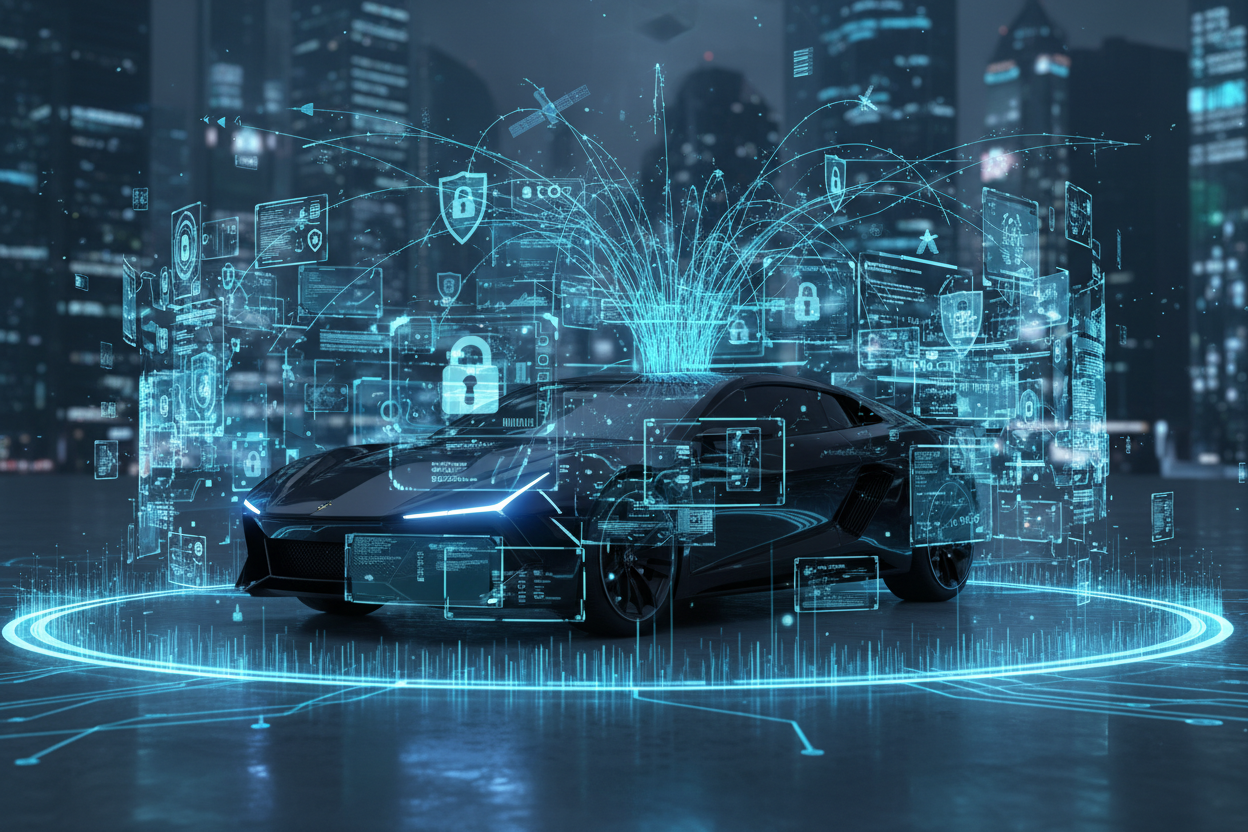
The automotive industry faces significant challenges and opportunities due to increasing technology integration in vehicles. Cybersecurity is crucial for protecting personal data, ensuring safety, and maintaining consumer trust. Common threats include malware attacks, remote hacking, and physical access attacks. Best practices for cybersecurity involve regular software updates, security by design, and conducting security audits. Legislation and industry collaboration are essential for establishing standards. The future of automotive cybersecurity will focus on AI, blockchain technology, and rising consumer awareness. Prioritizing cybersecurity is vital for a secure and satisfying driving experience.
Frequently Asked Questions
1. What is the main focus of the blog article?
2. Why is cybersecurity crucial for modern vehicles?
3. What are some common cyber threats faced by modern vehicles?
4. What best practices should automotive manufacturers follow for cybersecurity?
5. How is legislation impacting automotive cybersecurity?
In an age where technology and connectivity are redefining our everyday lives, the automotive industry faces unprecedented challenges and opportunities. As modern vehicles become increasingly digital, the intersection of technology and transportation has never been more crucial. Cybersecurity in vehicles isn't just a technical necessity; it’s a crucial aspect that ensures safety, privacy, and trust in an evolving industry.
The Evolution of Automotive Technology
Understanding the impact of cybersecurity on modern vehicles necessitates a brief exploration of how automotive technology has evolved. Gone are the days when cars were mere mechanical machines. Today’s vehicles incorporate sophisticated software systems, sensors, and connectivity features that enhance user experience and driving efficiency.
From advanced driver-assistance systems (ADAS) to in-car infotainment and navigation systems, the integration of technology is integral to modern vehicles. This evolution, however, also introduces vulnerabilities that cybersecurity must address. As vehicles become smarter, they also become more susceptible to cyber threats.
The Importance of Cybersecurity in Vehicles
With the rise of connected cars that communicate with each other and external networks, cybersecurity is paramount. Here are some reasons why:
1. Protection of Personal Data
Modern vehicles often collect and process extensive amounts of personal data, including location, driving habits, and contact information. This data is invaluable for manufacturers and third-party services. However, if not properly secured, this information can fall into the wrong hands, leading to identity theft and privacy violations.
2. Safety and Functionality
Cybersecurity plays a vital role in ensuring the safety and functionality of vehicles. Hackers could potentially compromise critical systems, affecting navigation, braking, or steering capabilities. A successful cyberattack could endanger drivers, passengers, and pedestrians alike, making robust cybersecurity education and measures crucial.
3. Consumer Confidence
As consumers become more aware of the potential breaches associated with connected vehicles, their trust in automotive technology could wane. Manufacturers that prioritize cybersecurity can enhance their brand reputation. By demonstrating transparency and a commitment to protecting consumer data, companies can foster loyalty and customer satisfaction.
Common Cyber Threats to Modern Vehicles
As with any technology, understanding specific threats is essential for effective cybersecurity measures. Below are some prevalent cyber threats that modern vehicles face:
Malware Attacks
Just as computers are susceptible to malware, so are modern vehicles. Malicious software can interfere with vehicle operations, stealing data or disrupting functionalities that could compromise safety.
Remote Hacking
Many modern vehicles offer smartphone integrations and remote access. While these features are designed for convenience, they can also open pathways for remote hacking. Cybercriminals can exploit vulnerabilities in these systems to gain unauthorized access to the vehicle.
Physical Access Attacks
Even if a vehicle is secure against remote hacking, physical access still poses a risk. If a hacker gains physical entry to a vehicle, they could potentially manipulate the internal system and exploit it. Manufacturers need to develop countermeasures to protect against this physical threat.
Best Practices for Automotive Cybersecurity
Considering the associated risks, it’s essential to adopt best practices for cybersecurity in vehicles:
Regular Software Updates
Just like your laptop or smartphone, vehicles require frequent software updates to patch security vulnerabilities. Manufacturers must establish a reliable process for deploying these updates to ensure cybersecurity is maintained.
Security by Design
Cybersecurity shouldn’t be an afterthought but an integral part of the vehicle design process. Manufacturers need to incorporate security measures at every stage of the development cycle, ranging from hardware to software, to develop well-rounded defense mechanisms.
Conducting Security Audits
Regular security audits can identify vulnerabilities before they become liabilities. Manufacturers should not only test their own systems but also work with cybersecurity experts to conduct thorough assessments of their technology.
The Role of Legislation in Automotive Cybersecurity
Governments around the world are beginning to recognize the importance of cybersecurity in the automotive sector. Legislation plays a critical role in shaping industry standards and protecting consumers:
Regulatory Compliance
As regulatory bodies grow more concerned with the potential cybersecurity threats of connected vehicles, manufacturers may be required to adhere to specific security standards. Compliance not only helps in safeguarding vehicle systems but also protects manufacturers from legal ramifications.
Industry Collaboration
Collaboration among manufacturers, tech firms, and lawmakers is essential to establish best practices and standards. Working together creates a unified framework for cybersecurity that benefits the entire automotive industry and consumers alike. Sharing knowledge and findings can lead to innovative solutions and improved security practices across the board.
The Future of Cybersecurity in the Automotive Industry
As technology continues to evolve, so will the landscape of automotive cybersecurity:
Increased Focus on AI
Artificial intelligence (AI) will play a significant role in enhancing cybersecurity measures in vehicles. AI can analyze vast amounts of data to detect anomalies in vehicle behavior that could indicate a cyber threat.
Adoption of Blockchain Technology
Blockchain technology has the potential to revolutionize data security in automotive systems by offering decentralized data management solutions that are more resistant to tampering and unauthorized access.
Rising Consumer Awareness and Education
As awareness around cybersecurity grows, consumers will increasingly demand secure vehicles. Education about potential risks and cybersecurity protocols will empower buyers to make informed decisions regarding their vehicle purchases.
Driving Towards a Secure Automotive Future
The integration of technology in modern vehicles brings remarkable opportunities and challenges. As the automotive industry shifts towards smart mobility, robust cybersecurity measures will be pivotal in ensuring the safety and satisfaction of drivers worldwide.
By embracing cutting-edge technology, prioritizing cybersecurity, and adhering to regulatory standards, manufacturers can usher in a new era of secure vehicles. Ultimately, staying one step ahead of cyber threats will not only protect consumers but also enrich the driving experience for everyone.