
Overview
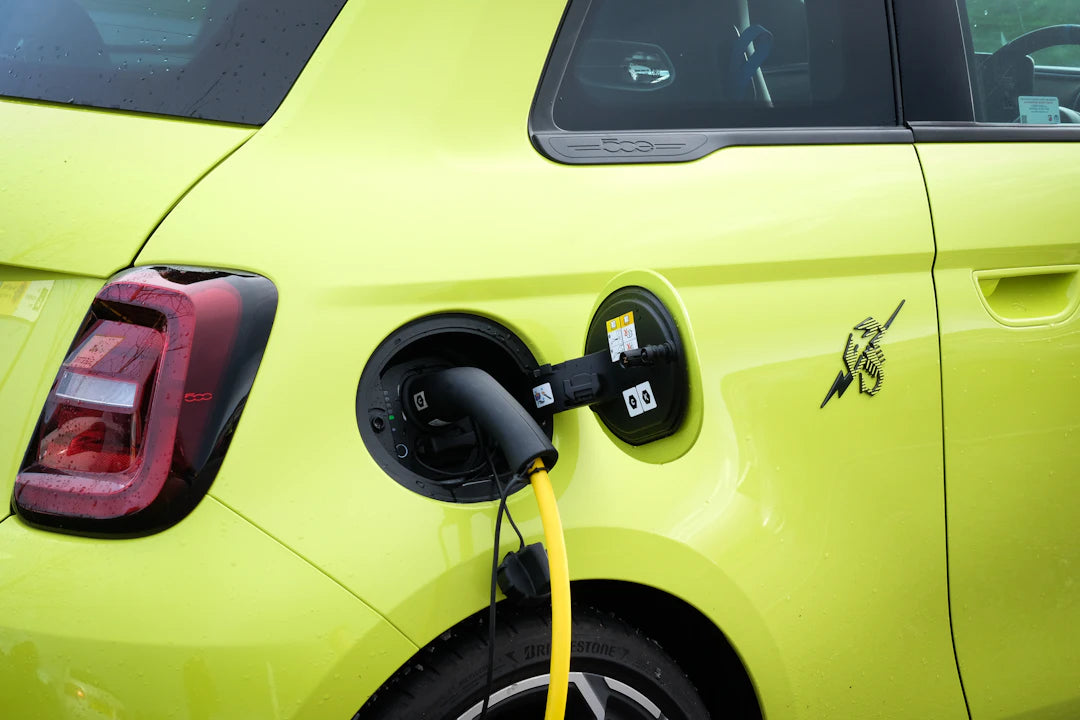
Electric vehicles (EVs) are rapidly transforming the automotive industry due to increased environmental awareness, government incentives, and technological advancements. While they offer benefits like zero emissions and lower long-term costs, challenges such as charging infrastructure, range anxiety, and affordability remain. The future of EVs includes potential advancements in autonomous driving, enhanced battery technologies, and integration with renewable energy sources. Consumers, automakers, and governments all play a role in fostering this shift towards sustainable mobility.
Frequently Asked Questions
1. What are the main factors driving the rise of electric vehicles?
2. How are electric vehicles impacting the automotive industry?
3. What are the key challenges facing electric vehicles today?
4. What future advancements are expected in electric vehicle technology?
5. How can consumers contribute to the electric vehicle revolution?
The automotive landscape is evolving rapidly, and at the forefront of this transformation are electric vehicles (EVs). As concerns over environmental sustainability, fuel costs, and technological advancements continue to grow, EVs are becoming an increasingly viable choice for consumers worldwide. In this article, we’ll explore how electric vehicles are reshaping the automotive industry, the challenges they face, and their potential to create a more sustainable future.
The Rise of Electric Vehicles
Over the last decade, electric vehicles have surged in popularity. Once seen as a niche market, the electric vehicle sector is thriving, driven by consumer demand and advancements in technology. But what’s behind this rise? Let’s take a closer look.
Environmental Awareness
One of the primary factors driving the increase in electric vehicle adoption is heightened environmental awareness. As people become more knowledgeable about the negative impacts of fossil fuel consumption, they are turning to greener alternatives. Electric cars produce zero tailpipe emissions, significantly reducing air pollution. Additionally, many EV manufacturers are investing in sustainable battery production and recycling processes.
Government Incentives
Governments around the world are also playing a crucial role in popularizing electric vehicles. Many countries offer incentives such as tax credits, rebates, and exemptions from traditional vehicle taxes to encourage consumers to choose electric over gasoline-powered cars. These incentives not only make EVs more affordable but also stimulate the market by increasing demand.
Technological Advancements
Modern advancements in battery technology have made electric vehicles a more practical choice for consumers. Today's EVs boast longer ranges, improved charging capabilities, and enhanced performance. With companies continuously investing in R&D, the future looks bright for electric mobility.
Impact on the Automotive Industry
The introduction of electric vehicles is poised to change multiple facets of the automotive industry. From manufacturing processes to consumer preferences and dealer experiences, here’s how EVs are making an impact.
Manufacturing and Supply Chain
As the demand for electric vehicles grows, automotive manufacturers are adjusting their supply chains. Automakers are beginning to prioritize electric drivetrains and zero-emission technologies, which means that traditional manufacturing processes will undergo significant changes. Major companies are retooling factories to accommodate EV production, and many are investing in local battery manufacturing to reduce reliance on overseas suppliers.
Changing Consumer Preferences
Electric vehicles are altering consumer preferences in multiple ways:
- Eco-Friendliness: Consumers are more keen to consider the environmental impact of their purchases.
- Total Cost of Ownership: With lower fuel and maintenance costs, consumers are recognizing the long-term financial benefits of owning an EV.
- Performance: The instantaneous torque of electric motors provides a driving experience that can be more appealing for many drivers.
Retail and Dealership Experience
As electric vehicles gain market share, the retail aspect of the automotive industry is evolving too. Traditional dealerships are incorporating EV education into their sales strategies, with staff being trained to discuss the benefits of electric vehicles and how they differ from gasoline counterparts. Online sales platforms are also emerging, where consumers can easily compare models, prices, and features from the comfort of their homes.
The Road Ahead: Challenges Facing Electric Vehicles
Despite the encouraging rise of electric vehicles, there are still significant challenges to overcome. Addressing these challenges will be essential for ensuring the long-term success and adoption of EVs.
Charging Infrastructure
One of the primary barriers to wider EV adoption is the lack of charging infrastructure. Many potential buyers fear that they may not find charging stations easily, especially during long trips. To combat this issue, governments and private companies are working together to expand charging networks, making it easier for EV owners to charge their vehicles.
Battery Technology and Range Anxiety
Many consumers still experience range anxiety—the fear that their electric vehicle will run out of power before reaching a charging station. While advancements in battery technology have improved the range of electric vehicles, continued innovation is necessary to keep consumers satisfied. Greater ranges, faster charging times, and longer-lasting batteries will be crucial to gaining consumer confidence.
Affordability
Although EV prices have begun to fall, many electric vehicles are still pricier than their gasoline counterparts. Ensuring that electric vehicles are accessible to a broader audience remains a challenge. This is where government incentives and corporate strategies can play a part in facilitating consumer purchases.
The Future of Electric Vehicles
The future looks promising for electric vehicles, with trends indicating increased integration into our daily lives. Here are some of the directions that the automotive landscape may take:
Autonomous Electric Vehicles
The pairing of electric vehicles with autonomous technology holds the potential to revolutionize transportation. Companies are investing heavily in creating self-driving electric cars aimed at improving safety and reducing traffic congestion. Picture a world where shared autonomous EVs reduce the number of vehicles on the road while lowering emissions.
Enhanced Battery Technologies
As research continues into greener battery technologies, the future may bring breakthroughs such as solid-state batteries. These next-gen batteries may offer faster charging, a longer lifespan, and may be made from sustainable materials, thus addressing many concerns associated with current electric vehicle batteries.
Integration with Renewable Energy Sources
Electric vehicles have the potential to be integrated with renewable energy sources like solar and wind power. Future homes might feature solar panels that charge electric vehicles or facilitate a bi-directional flow of energy, allowing EVs to return energy to the grid during peak demand times. This approach offers a holistic energy solution for households and can help mitigate the effects on the environment.
Your Role in the Electric Vehicle Revolution
As electric vehicles continue to gain traction, consumers, automakers, and governments all have a role to play in fostering this transition towards sustainable mobility. Here are some ways you can be part of the electric vehicle revolution:
- Consider switching to an electric vehicle for your next purchase. Research the various models available and find one that fits your needs.
- Stay informed about the growth of charging infrastructure in your area and advocate for more charging stations.
- Engage in community discussions about the benefits of electric vehicles and the importance of sustainability.
- Support policies that encourage the development of renewable energy sources and the adoption of electric vehicles.
The revolution of electric vehicles is not just about changing the type of cars we drive; it's about transforming our entire approach to transportation and environmental stewardship. By understanding the shifts taking place within the automotive industry and actively participating in the transition to electric mobility, we can collectively pave the way for a cleaner, greener, and more sustainable future. The road ahead is electric, and it's our responsibility to embrace the change and drive toward a better tomorrow.