
Overview
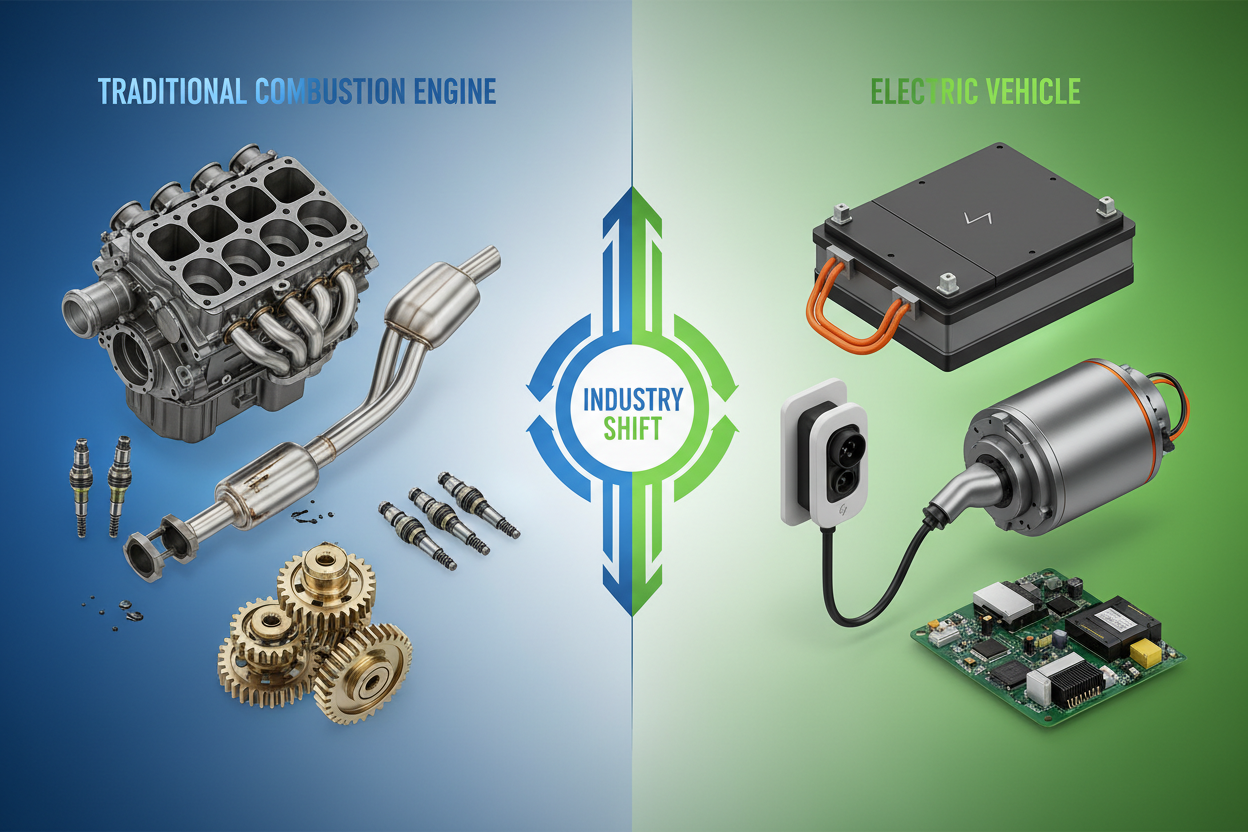
The automotive industry is shifting towards electric vehicles (EVs), leading to declining demand for traditional car parts like engines and transmissions. While this poses challenges for existing suppliers, it also creates opportunities to diversify into EV components such as batteries and electric motors. Collaboration with EV manufacturers and adapting to new technologies are essential for suppliers to thrive in this evolving market. Government incentives and regulations will further influence this transition, highlighting the need for suppliers to stay informed and agile.
Frequently Asked Questions
1. What is driving the rise of electric vehicles in the automotive industry?
2. How is the demand for traditional car parts changing with the rise of electric vehicles?
3. What are some emerging parts necessary for electric vehicles?
4. What challenges do traditional parts suppliers face due to the shift towards EVs?
5. How can traditional parts suppliers benefit from the transition to electric vehicles?
The automotive industry is experiencing a paradigm shift, thanks to the increasing adoption of electric vehicles (EVs). As consumers become more environmentally conscious and governments push for sustainability, traditional combustion-engine vehicles are gradually being phased out. But what does this mean for the supply of traditional car parts? Here, we delve into the interplay between electric vehicles and the automotive parts industry, exploring the challenges and opportunities that arise from this transition.
The Rise of Electric Vehicles
As of 2023, electric vehicles dominate headlines, with an impressive surge in sales reported globally. This trend is fueled by several factors, including:
- Government incentives for EV buyers.
- Expanding charging infrastructure.
- An increased focus on reducing greenhouse gas emissions.
- Technological advancements leading to more efficient EV components.
According to recent statistics, the number of electric cars on the road has doubled in just a few years, creating a significant shift in consumer preferences. As demand for EVs grows, traditional car manufacturers are under pressure to adapt, which directly influences the automotive parts supply chain.
The Shift in Car Parts Demand
With the rise of electric vehicles, the demand for certain traditional car parts is declining. Key components affected include:
Engines and Transmission Systems
Traditional internal combustion engines (ICE) consist of intricate systems, including engines and transmissions that require numerous parts. However, electric vehicles primarily operate on simpler drive systems powered by electric motors and batteries. This shift is reducing the demand for parts such as:
- Fuel injectors
- Exhaust systems
- Oil filters
- Transmission gears
Braking Systems
Electric vehicles often feature regenerative braking systems that capture and reuse energy, leading to less wear on brake components. Consequently, the need for traditional brake parts, such as brake pads and rotors, will evolve, impacting traditional suppliers and manufacturers.
Emerging Parts for Electric Vehicles
The electric vehicle market is not just phasing out old parts; it’s creating a demand for new components tailored for EVs. Some emerging parts include:
- Batteries: The most significant component in electric vehicles, requiring extensive expertise in materials and technology.
- Electric motors: These require different production methods and materials compared to conventional engines.
- Inverters and power electronics: Essential for converting the battery's DC power into AC power that drives the motors.
This evolution in parts supply highlights the necessity for existing suppliers to adapt their inventory and expertise. Consequently, the supply chain must evolve to encompass not only traditional automotive parts but also specialized components for electric vehicles.
Challenges Facing Traditional Parts Suppliers
As the car parts market transitions, traditional parts suppliers face several challenges:
Inventory Management
With a decline in demand for traditional parts, managing stock becomes increasingly complex. Suppliers must forecast how many parts to keep on hand, leading to potential overstock or supply shortages.
Technological Adaptation
To remain relevant, traditional parts suppliers must invest in new technologies and training. This includes learning about electric components and developing partnerships with EV manufacturers to supply specialized parts.
The Benefits of Transitioning
Despite challenges, the shift towards electric vehicles presents numerous opportunities for traditional parts suppliers:
Diversification
By expanding their offerings to include EV components, suppliers can diversify their inventory. This creates new revenue streams and allows them to tap into a rapidly growing market.
Sustainable Practices
Focusing on electric vehicles aligns with global sustainability goals. Suppliers that meet the demand for cleaner technologies can enhance their reputation and attract environmentally conscious consumers.
Collaboration and Partnerships
The automotive industry's future lies in collaboration. Traditional parts suppliers can thrive by partnering with EV manufacturers, technology firms, and research institutions. Such alliances facilitate knowledge exchange, providing suppliers with insights into EV requirements and helping them develop the skills to manufacture new components. Some key collaborative approaches include:
- Joint ventures with EV manufacturers to co-develop parts.
- Training programs that equip workers with skills for EV production.
- Research partnerships aimed at innovating sustainable materials and technologies.
Government Policies and Regulations
Governments across the globe are implementing policies aimed at fostering the growth of electric vehicles. Traditional parts suppliers should pay attention to various regulatory measures that could affect their operations:
Incentives for EV Production
Governments may offer tax credits or grants to suppliers who develop components for electric vehicles, making it financially feasible for suppliers to pivot towards the EV market.
Manufacturing Standards
As regulations for automotive emissions become stricter, traditional parts that don’t comply may no longer be viable. Suppliers must keep abreast of these changes to ensure compliance and avoid potential financial penalties.
Anticipating Future Trends
The automotive sector is on the verge of continuous change. Suppliers must remain agile, prepared to adapt to emerging trends. A few future scenarios to consider include:
Advancements in Battery Technology
Battery technology is expected to undergo rapid advancements, leading to improvements in energy density, charging time, and lifespan. This may shift the focus of parts suppliers toward batteries and associated technology.
Shared Mobility Solutions
The rise of shared mobility, like car-sharing and ride-hailing services, may influence the types of vehicles that prevail in urban environments. This trend could alter parts demand further, with more focus on durability and maintenance of shared EV fleets.
Educating Consumers
Lastly, as the market shifts, consumer education becomes imperative. Suppliers and manufacturers must communicate clearly about the benefits of electric vehicles, as well as the changes in parts supply. Enhancing customer knowledge will lead to more informed purchasing decisions and drive demand for new technologies.
Navigating Uncertainty
The automotive industry's transition is complicated and filled with uncertainty. However, suppliers that embrace these changes can position themselves advantageously in the future. By focusing on the burgeoning electric vehicle market, adapting to evolving demands, and fostering collaborations, traditional car parts suppliers can redefine their role in the automotive landscape.
Riding the Wave of Change
To thrive in this new environment where electric vehicles take center stage, traditional car parts suppliers must remain flexible and open to reinvention. The automotive landscape is undergoing an unprecedented transformation, and those who recognize and adapt to these changes will secure their place in the future of mobility. Embrace the change, and you may find that the road ahead is brighter than you ever imagined.