Frequently Asked Questions
1. What impact did the COVID-19 pandemic have on the automotive industry?
2. How are geopolitical conflicts affecting the automotive sector?
3. What role does climate change play in shaping consumer preferences in the automotive industry?
4. What technological advancements are influencing the automotive industry?
5. How do economic conditions affect vehicle sales in the automotive industry?
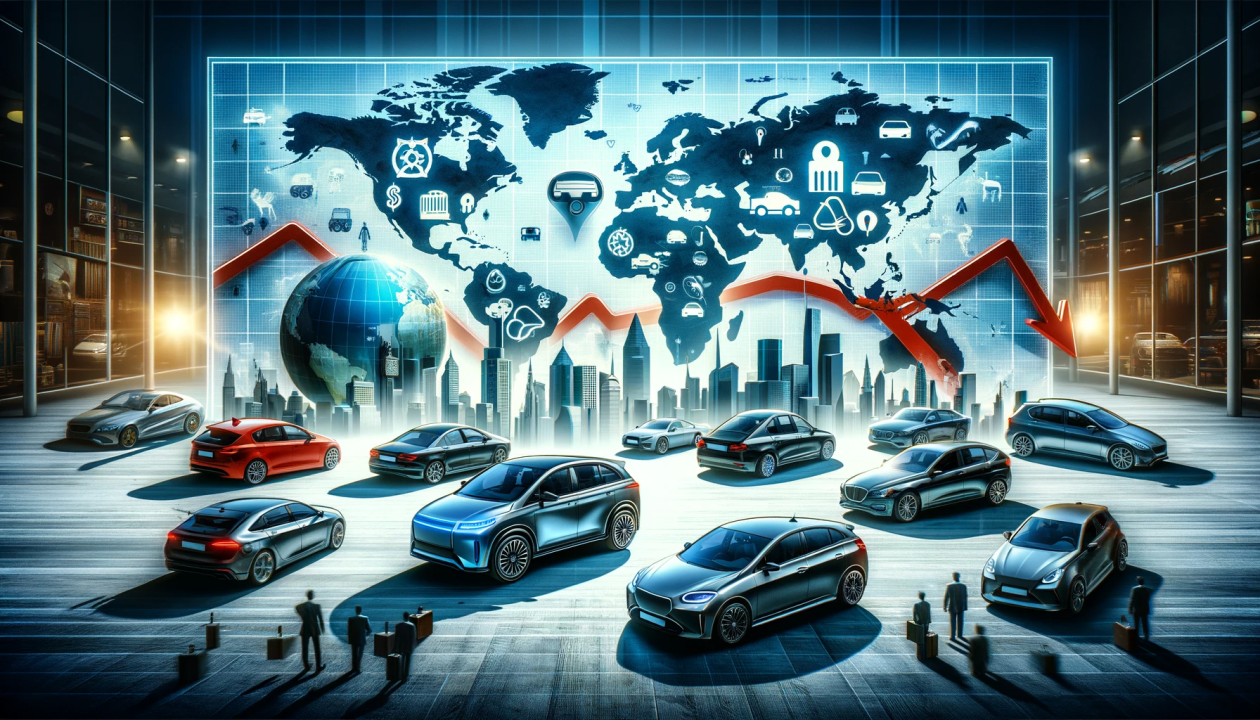
The automotive industry is a dynamic sector influenced by a myriad of factors, from technological advancements to changing consumer preferences. However, global events such as economic fluctuations, pandemics, geopolitical conflicts, and climate change can significantly alter the course of this industry. Understanding these impacts is essential for businesses and consumers alike, especially in the rapidly evolving landscape of global economies.
The COVID-19 Pandemic: A Catalyst for Change
The outbreak of COVID-19 in early 2020 presented unprecedented challenges for the automotive industry. Supply chains faced massive disruptions as lockdowns were implemented worldwide. Factories shut down, and the production of vehicles came to a screeching halt. The immediate consequences were evident:
- Production Decreases: Major automotive manufacturers saw significant drops in production numbers.
- Sales Decline: Vehicle sales plummeted due to an unexpected halt in consumer buying.
- Shift to Digital: Dealerships rapidly adapted by increasing their online presence, pushing digital sales.
Long-Term Implications
As the automotive industry recovered from the pandemic's immediate effects, several long-lasting changes emerged. Companies pivoted towards digital platforms, enhancing online shopping experiences and contactless services. The industry is also seeing an acceleration in the adoption of electric vehicles (EVs) as a response to both consumer demand and government regulations aimed at reducing carbon footprints.
Geopolitical Conflicts and Economic Sanctions
Global instability, such as geopolitical conflicts and economic sanctions, creates ripples across the automotive supply chain. Regions affected by unrest see disrupted production, fluctuating prices, and challenges in sourcing materials. Here’s how these events can affect the automotive industry:
- Supply Chain Disruptions: Conflict zones make it difficult to transport parts, leading to delays in production and delivery.
- Increased Costs: Sanctions can lead to rising costs for materials, forcing manufacturers to pass these expenses onto consumers.
- Market Accessibility: Geopolitical tensions can limit access to specific markets, impinging on sales forecasts.
Real-World Examples
Recent conflicts in regions such as Eastern Europe have shown the vulnerability of the automotive supply chain. Companies relying on parts from specific areas have faced pressures to diversify their supplier bases. The importance of strategic planning has never been clearer, leading many businesses to consider local sourcing as a viable option.
Climate Change and Environmental Policies
The fight against climate change is explicitly reshaping the automotive landscape. Consumers are becoming increasingly aware of their carbon footprints, which in turn drives demand for greener vehicles. Governments around the world are also introducing policies aimed at reducing emissions. The impacts can be seen through:
- Incentives for Electric Vehicles: Many governments incentivize the purchase of EVs through tax breaks and subsidies.
- Innovations in Sustainability: Automakers are investing in technologies that promote energy efficiency and the use of sustainable materials.
- Stricter Emission Regulations: Countries are setting aggressive targets for reducing vehicle emissions, pushing companies to adapt swiftly.
The Rise of the Electric Vehicle
This shift has culminated in a significant rise in the electric vehicle market, which is poised to grow exponentially in the coming years. The demand for EVs is reshaping manufacturers’ strategies, leading to substantial investments in research and development.
Technological Advancements: A Double-Edged Sword
While technological advancements can propel the automotive industry forward, they also pose challenges. Innovations such as autonomous driving, connectivity, and artificial intelligence are transforming how vehicles are designed and function.
The Benefits of Technology
- Enhanced Safety Features: Advances in technology have led to the creation of sophisticated safety systems.
- Improved Efficiency: New technologies in engine design and hybrid systems yield better fuel efficiency.
- Greater Connectivity: Vehicles are becoming more integrated with digital platforms, offering enhanced user experiences.
The Challenges Involved
However, these advancements can lead to increased costs and necessitate new regulations. The push for automation, for example, raises concerns about job security within the sector. Additionally, the rapid pace of technological changes can overwhelm traditional manufacturers who may struggle to keep up, risking losing market share to more agile startups.
Consumer Preferences in a Changing World
As global events unfold, consumer preferences shift, impacting what drivers look for in their vehicles. The pandemic has altered how people perceive mobility; for example, many consumers may opt for personal cars over public transportation in pursuit of safety and convenience.
Recent Trends in Consumer Behavior
- Increased Focus on Sustainability: Modern consumers are increasingly demanding environmentally-friendly vehicles.
- Preference for Online Shopping: The pandemic has led to a significant increase in online car buying.
- Desire for Advanced Features: As technology evolves, consumers are looking for vehicles equipped with the latest tech.
The Global Economy and Automotive Sales
The performance of the automotive industry is heavily influenced by the global economy. Economic conditions dictate consumer spending power, and this impacts vehicle sales significantly. Considerations include:
Economic Indicators to Watch
- Employment Rates: Higher employment rates generally correlate with increased vehicle sales.
- Interest Rates: Lower interest rates can stimulate auto financing, making it easier for consumers to purchase vehicles.
- Consumer Confidence: A confident consumer is more likely to invest in significant purchases, including automobiles.
Automakers need to adjust their strategies based on economic trends. For instance, during economic downturns, manufacturers might focus on promoting more affordable vehicles while also considering consumer financing options.
Looking Ahead: The Future of the Automotive Industry
As we navigate through turbulent global events, the automotive industry must adapt to changes or risk falling behind. Growth opportunities exist if businesses leverage the lessons learned from various global impacts. Looking ahead, the focus will likely continue on:
- Expanding Electric Vehicle Infrastructure: Building necessary charging stations will be essential for supporting the EV market.
- Innovative Technologies: Continued investment in AI and machine learning will redefine how vehicles operate.
- Reskilling Workforce: A focus on training for new technologies will help maintain competitiveness in a changing job market.
A Transformative Era
The automotive industry is at a pivotal point. Global events have catalyzed necessary changes that, if embraced, can lead to a more resilient and innovative sector. The convergence of sustainability, technology, and changing consumer behaviors present both challenges and vast opportunities for growth.
Whether you're part of the automotive industry or a consumer keen on understanding the dynamics at play, staying informed about these global events can make a significant difference. By embracing adaptability and awareness, we can all contribute to a brighter automotive future. So buckle up and get ready for an exciting ride ahead!
