Overview
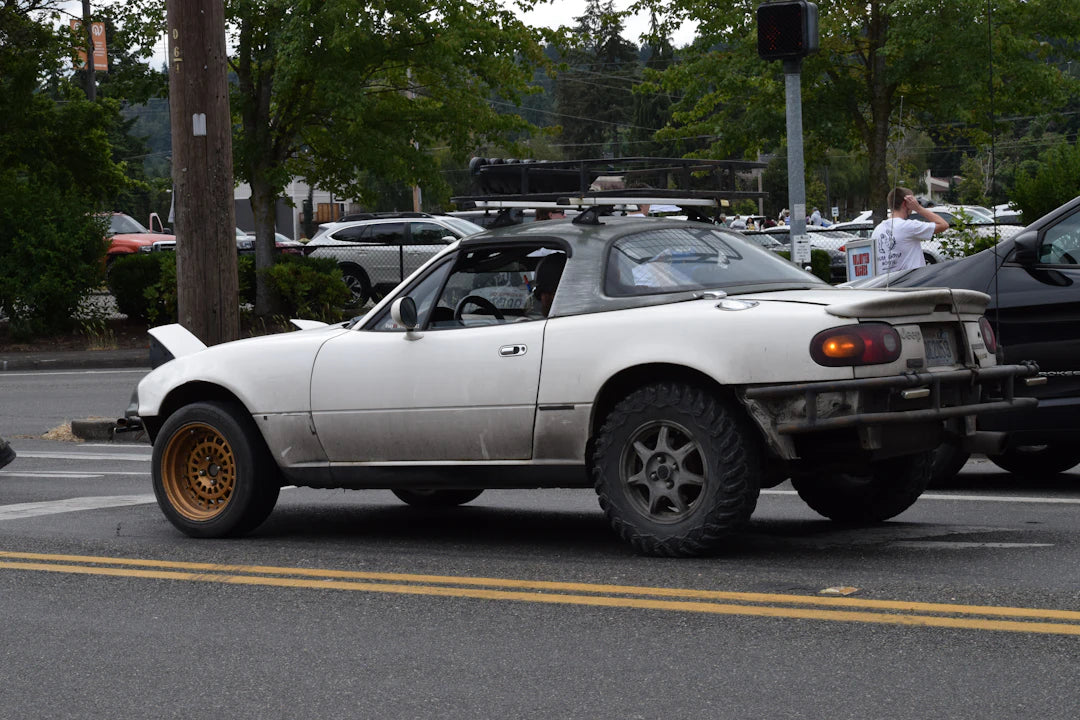
Customization in the automotive industry allows owners to express individuality and enhance their vehicles to reflect personal identities. Key benefits include increased consumer empowerment, enhanced ownership experiences, and social media influence. Customization encompasses performance enhancements, aesthetic modifications, and technological upgrades, while its impact on resale value varies based on quality and market demand. However, challenges like cost, legal regulations, and insurance implications should be considered. Ultimately, customization is a significant trend that transforms vehicles into personal statements, aligning with contemporary cultural values.
Frequently Asked Questions
1. Why is customization important in the automotive industry?
2. How does customization enhance the ownership experience?
3. What are the different types of automotive customization?
4. Can customization affect a vehicle's resale value?
5. What challenges should consumers consider when customizing their vehicles?
In an era where personalization is highly sought after, the automotive industry is no exception. Customization has become a defining characteristic of modern vehicles, allowing owners to express their uniqueness and cater to their specific needs. Whether it involves modifying the exterior to create a one-of-a-kind appearance or enhancing the interior for maximum comfort and functionality, customization transforms vehicles into personal statements. This article explores the significance of customization in the automotive world, its benefits, and how it aligns with the current trends in consumer behavior.
Understanding the Shift Towards Customization
The automotive market has undergone a significant transformation over the past few decades. As consumers transition from merely seeking reliable transportation to desiring vehicles that reflect their identities, customization emerges as a critical factor. Several key reasons illustrate this shift:
Consumer Empowerment
Today's consumers seek to have control over their purchases, wanting products that resonate with their lifestyles. Customization empowers consumers to choose features and designs that fit their lifestyle preferences, ensuring their vehicle matches their identity, values, and preferences.
Enhanced Ownership Experience
Customizing an automobile elevates the ownership experience. Drivers develop a stronger connection with a customized vehicle, leading to increased satisfaction and pride in ownership. This emotional connection can translate into brand loyalty and repeat purchases.
Social Media Influence
With the rise of social media, showcasing personalized vehicles has never been easier. Car enthusiasts share their modified cars online, influencing others to pursue customization options. The visual appeal and innovation displayed on platforms like Instagram and TikTok drive trends, encouraging more individuals to explore customization possibilities.
The Different Facets of Customization
Customization in the automotive world can be categorized into several areas, including performance enhancements, aesthetic modifications, and technological upgrades. Understanding these categories helps you appreciate the breadth of options available.
Performance Enhancements
- Engine Modifications: Boosting horsepower or torque through custom tuning or replacement parts.
- Suspension Upgrades: Improving ride quality and handling with adjustable suspension systems.
- Exhaust Systems: Upgrading exhaust systems for better performance and sound.
- Tires and Wheels: Selecting specialized tires and wheels to enhance grip and aesthetics.
Aesthetic Modifications
- Paint and Wraps: Changing the vehicle’s color or design with custom paint jobs or vinyl wraps.
- Body Kits: Adding spoilers, bumpers, and side skirts to modify the vehicle's overall appearance.
- Custom Interior: Tailoring the seat materials, dashboard finishes, and lighting to reflect personal taste.
- Graphics and Decals: Incorporating unique designs that differentiate personal vehicles from factory models.
Technological Upgrades
- Infotainment Systems: Installing advanced sound systems or touchscreens for enhanced entertainment.
- Safety Features: Upgrading or adding safety technologies for improved protection.
- Navigation & Connectivity: Incorporating GPS and seamless smartphone connectivity for ease of use.
- Performance Monitoring Tools: Utilizing digital tools to track vehicle performance in real-time.
Impact of Customization on Vehicle Resale Value
While many may assume that customization can negatively impact resale value, the reality is more nuanced. The effect of customization on resale value often depends on the quality, relevance, and appeal of the modifications made:
Quality of Customization
High-quality modifications can positively impact resale value. Professionally executed alterations, especially those in line with current market trends, often attract buyers looking for unique vehicles.
Market Demand
The type of customization also influences resale value. If certain modifications are in high demand or align with popular trends, they can enhance vehicle appeal, making it more desirable. However, overly niche customizations may deter potential buyers.
Originality and Maintenance
A well-maintained, customized vehicle can command a higher price compared to a standard model. Buyers appreciate the attention and care shown in the customization process, provided that it adheres to safety and performance standards.
Customization as a Reflection of Culture and Trends
Automotive customization is not merely about aesthetics or performance; it reflects larger cultural trends. Various movements and lifestyles influence car modifications, making vehicles an extension of personal and cultural identity.
Environmental Consciousness
As environmental awareness grows, many consumers opt for eco-friendly modifications, such as hybrid and electric conversions. Customizing vehicles for improved fuel efficiency or reduced emissions reflects a commitment to sustainability.
Individuality in a Mass Market
In a world of mass production, consumers are increasingly valuing individuality. Customization addresses this need by allowing customers to create something that stands apart from the crowd. This trend is evident in the rise of unique paint jobs, custom wraps, and bespoke vehicles.
Technological Integration
The desire for cutting-edge technology drives many customization choices. As digital tools become essential in everyday life, integrating them into vehicles is a natural evolution. Enthusiasts seek out the latest in performance monitoring and connectivity features to enhance functionality and user experience.
Challenges to Consider
While customization offers numerous benefits, it is also essential to recognize the potential challenges it may pose:
Cost Considerations
Customizing a vehicle can be expensive. From high-quality parts to professional installation, the costs can add up quickly. It's important for consumers to budget and prioritize modifications that provide the most value.
Legal Regulations
Some modifications may not comply with local or national regulations, leading to potential legal issues or problems during inspections. Understanding local laws and ensuring all modifications are legal is critical to avoid complications.
Insurance Implications
Customized vehicles may have different insurance needs and premiums. It's vital to discuss modifications with insurance providers to ensure appropriate coverage.
Finding the Right Customization Service
When embarking on a customization journey, choosing the right service provider is paramount. Here are some essential tips to consider:
Research and Reviews
Look for reputable customization shops with positive reviews. Research their past work and ask for references to ensure they have experience in the specific modifications desired.
Consultation and Communication
A reliable customization service should be willing to consult with you and understand your vision. Clear communication ensures that your ideas are accurately interpreted and executed.
Warranty and Guarantees
Check if the custom shop offers warranties or guarantees on their work and the parts used. This provides peace of mind knowing that you're covered in case of issues down the line.
Setting Your Vehicle Apart: A Personal Journey
The automotive world is increasingly about personal expression and identity, making customization a significant trend among car owners. As vehicles transition from merely being modes of transport to powerful symbols of individual style, the importance of customization is undeniable. Whether you’re looking to enhance performance, aesthetics, or incorporate cutting-edge technology, customizing your vehicle allows you to transform it into your dream ride.
Now more than ever, it’s essential to understand the significance of customization in contemporary automotive culture. Embrace the journey of creating a unique vehicle that resonates with your personality, aligns with your values, and meets your specific needs. The world of customization is vibrant and full of possibilities – go ahead and rev up your imagination!