
Frequently Asked Questions
1. What role does battery technology play in electric vehicles?
2. What are some recent advancements in battery technology for EVs?
3. How does improved charging speed impact electric vehicles?
4. What are the sustainability concerns related to battery production?
5. What economic implications do battery innovations have for consumers?
In recent years, the automotive industry has experienced a significant transformation, particularly with the rise of electric vehicles (EVs). One of the driving forces behind this shift is the rapid evolution of battery technology. Innovations in battery performance, safety, and manufacturing are paving the way for a cleaner, more efficient future of transportation. This blog post will explore how these advances are changing the landscape of electric cars and what they mean for consumers and the environment.
The Importance of Battery Technology in Electric Vehicles
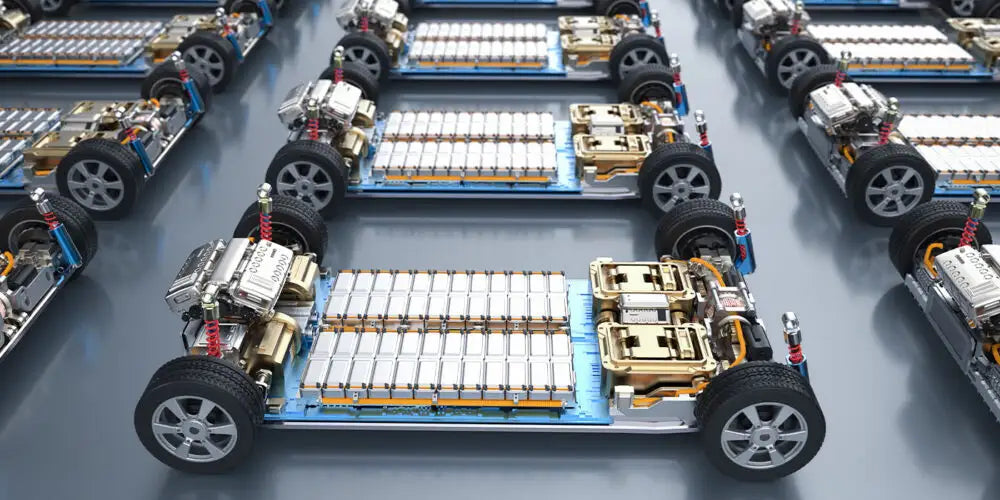
Batteries are the heart of electric vehicles. They store and supply the energy needed to power electric motors, making them a crucial component of EVs. As technology progresses, improvements in battery capacity, efficiency, and affordability have become essential to the growth of the electric car market.
Understanding the key role that battery technology plays can help elucidate why innovators in this field are vital to the future of transportation.
Understanding Battery Capacity
The capacity of a battery is typically measured in kilowatt-hours (kWh). A battery with a higher kWh rating can store more energy, allowing an electric vehicle to travel further on a single charge. Recent breakthroughs in lithium-ion technology and alternative materials have begun to enhance battery capacity significantly.
- Solid-State Batteries: These batteries promise higher energy density, offering longer ranges.
- Graphene Batteries: This innovative approach might lead to faster charging times and increased longevity.
- Sodium-Ion Batteries: A more sustainable alternative that could reduce reliance on lithium sources.
Enhanced Charging Speeds and Infrastructure
Another substantial advancement in battery technology is the rapid charging capability. As EV users demand quicker charging solutions, manufacturers are stepping up to meet these expectations. Enhanced charging speeds can significantly impact usability and convenience for electric car drivers.
Advantages of Faster Charging Solutions
- Shorter charging times make electric vehicles more appealing for long-distance travel.
- Improved infrastructure can lead to more widespread adoption of electric cars.
- Enhanced battery technology can reduce the costs associated with high-powered charging stations.
The Role of Sustainability in Battery Innovation
Beyond performance improvements, the sustainability of battery production is becoming increasingly important. The production of traditional lithium-ion batteries can have a considerable environmental impact, not to mention ethical concerns surrounding mining practices. As a result, innovations focusing on sustainable materials are becoming a priority.
Eco-Friendly Materials in Battery Production
Up-and-coming technologies are exploring more sustainable and ethically sourced materials for battery production. This shift includes:
- Recyclable Materials: Creating batteries with materials that can be reprocessed after their life cycle.
- Local Sourcing: Reducing the carbon footprint by sourcing materials more locally.
- Biodegradable Components: Developing batteries that minimize environmental hazards at the end of their lifecycle.
Safety Innovations in Battery Technologies
Safety is a critical consideration for battery technologies, especially in electric vehicles. Manufacturers are dedicated to developing safer battery designs to prevent incidents such as thermal runaway or fires. Innovations include:
Improvements in Battery Safety
- Advanced Thermal Management: Innovative cooling mechanisms to maintain optimal battery temperatures.
- Enhanced Battery Management Systems: Smart systems that monitor and regulate battery performance.
- Chemical Innovations: The introduction of safer chemical compounds to reduce flammability and enhance stability.
The Economic Implications of Battery Innovations
Battery technology not only impacts the performance and safety of electric cars but also has significant economic implications. With advancements driving costs down, the price of electric vehicles continues to drop, making them more accessible to consumers.
The Impact on Purchase Decisions
As electric vehicles become more affordable, consumers are more likely to consider them as viable alternatives to conventional combustion engine cars. This shift will lead to:
- Increased demand for electric vehicles, driving down overall prices.
- More investment in battery technologies, fostering innovation in the industry.
- Enhanced resale values of electric vehicles as they become more mainstream.
Challenges and the Future of Battery Technology
While the future of battery technology looks promising, several challenges remain. The demand for raw materials is continuously increasing, and the environmental implications of mining and production cannot be overlooked.
Navigating Future Challenges
- Material Scarcity: Addressing the supply chain issues and ensuring sustainability in sourcing materials.
- Infrastructure Development: Expanding charging infrastructure to accommodate new advancements in EVs.
- Recycling and Reuse: Enabling systems for recycling used batteries to minimize environmental impact.
The Road Ahead: A Cleaner, Greener Future
As battery technology continues to evolve, it stands at the forefront of a transformative period for electric vehicles. This innovation is not just about enhancing performance and safety; it encompasses creating a sustainable and economically viable solution for the future of transportation. Drivers, manufacturers, and environmental advocates are all poised to benefit from the advancements in battery technology.
By investing in research and development, supporting sustainable practices, and focusing on the long-term viability of battery technologies, we are not just reshaping the automotive industry—we are contributing to a greener world. Innovations in battery technology are changing the landscape of electric cars and setting the stage for a more sustainable future. Join the electric revolution and embrace the change!