
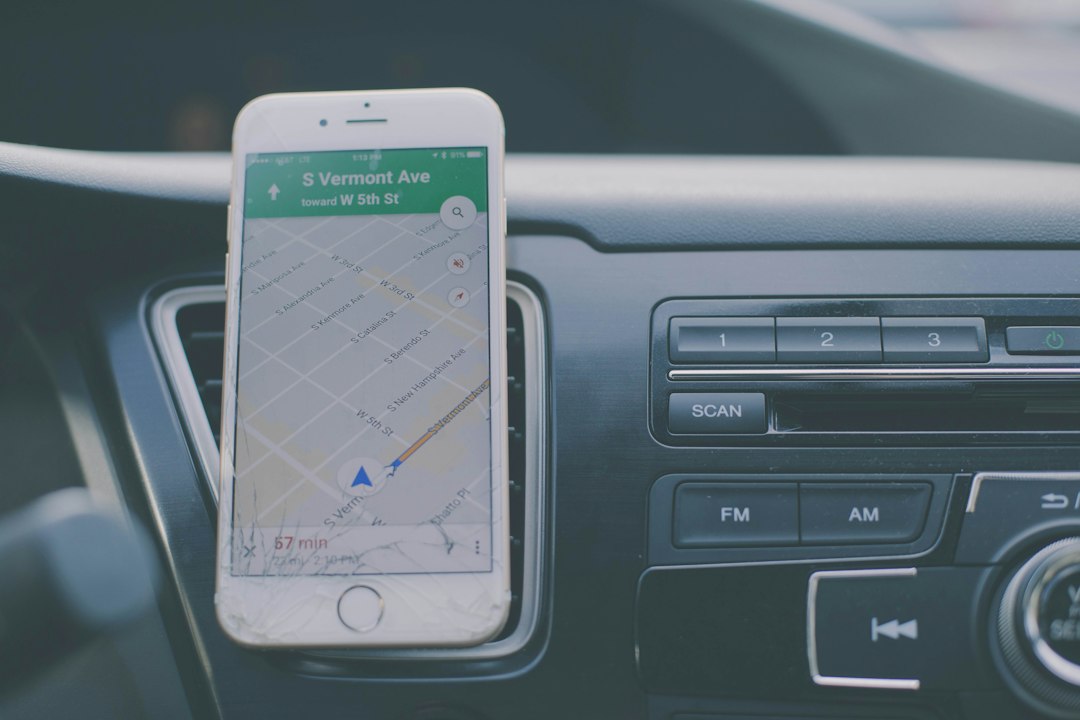
As technology continues to advance at a rapid pace, so do the innovative solutions being introduced in the automotive industry. From self-driving cars to advanced safety features, car manufacturers are constantly pushing the boundaries of what is possible. In this article, we will explore some of the most exciting car technologies that you should watch out for.
1. Self-driving Cars
Self-driving cars have been the talk of the town for quite some time now, and for good reason. Imagine being able to sit back, relax, and enjoy the ride while your car takes you to your destination. This technology has the potential to revolutionize transportation, making our roads safer and more efficient.
How does it work?
Self-driving cars use a combination of sensors, cameras, GPS, and advanced algorithms to navigate the roads without human intervention. These cars are equipped with multiple sensors that continuously gather data about the car's surroundings. The onboard computer then processes this data in real-time, making decisions to ensure a safe and smooth journey.
2. Augmented Reality Windshields
Augmented reality windshields are another exciting technology that is set to transform the driving experience. These windshields display real-time information like speed, navigation instructions, and road conditions directly on the windshield, eliminating the need to take your eyes off the road.
Benefits of augmented reality windshields
With augmented reality windshields, drivers have access to crucial information without having to glance at their dashboard or GPS. This improves safety and reduces distractions, ultimately leading to a more focused driving experience.
3. Advanced Driver Assistance Systems (ADAS)
Advanced Driver Assistance Systems (ADAS) are a set of technologies designed to enhance vehicle safety. These systems use a combination of sensors, cameras, and radar to monitor the vehicle's surroundings and assist the driver in various ways.
Key features of ADAS
ADAS technology includes features such as lane departure warning, adaptive cruise control, automatic emergency braking, and blind-spot detection. These features work together to detect potential dangers and help prevent accidents.
4. Vehicle-to-Vehicle (V2V) Communication
Vehicle-to-Vehicle (V2V) communication allows cars to wirelessly exchange information with each other, such as speed, position, and direction. This technology enables cars to communicate and share important data, improving safety and efficiency on the roads.
How does V2V communication benefit drivers?
With V2V communication, cars can alert each other about potential hazards, such as sudden braking or a vehicle in the blind spot. This real-time exchange of information gives drivers a more comprehensive view of the road, reducing the risks associated with human error.
5. Electric Vehicles (EVs)
Electric vehicles are no longer a thing of the future. With advancements in battery technology and charging infrastructure, EVs are becoming an increasingly popular choice for environmentally conscious drivers.
Advantages of electric vehicles
Electric vehicles offer several advantages over traditional gasoline-powered cars. They produce zero tailpipe emissions, reducing air pollution. Additionally, EVs have lower operating costs and require less maintenance compared to internal combustion engine vehicles.
6. Vehicle-to-Infrastructure (V2I) Communication
Vehicle-to-Infrastructure (V2I) communication allows vehicles to communicate with the surrounding infrastructure, such as traffic lights and road signs. This technology enables cars to receive real-time traffic information and optimize their routes accordingly.
How does V2I communication improve traffic flow?
With V2I communication, cars can receive information about traffic congestion, road closures, and construction zones. This enables them to make informed decisions and choose alternative routes, reducing congestion and improving overall traffic flow.
7. Biometric Vehicle Access
Biometric vehicle access replaces traditional keys with biometric authentication methods, such as fingerprints or facial recognition. This technology provides a secure and convenient way of accessing your vehicle.
Benefits of biometric vehicle access
Biometric vehicle access eliminates the need for physical keys, reducing the risk of theft. Additionally, it provides a personalized and seamless experience, as the vehicle can automatically adjust settings based on the driver's preferences.
8. Gesture Control
Gesture control technology allows drivers to interact with their car's infotainment system using gestures, eliminating the need for physical buttons and knobs. This intuitive way of control enhances the driving experience and reduces distractions.
How does gesture control work?
Gesture control uses sensors to track the driver's hand movements. The system then interprets these gestures and performs the corresponding actions, such as adjusting the volume or changing the temperature.
9. Wireless Charging
Wireless charging eliminates the need for physical cables by allowing electric vehicles to charge by simply parking on a charging pad. This technology provides a more convenient and seamless charging experience for EV owners.
Advantages of wireless charging
Wireless charging eliminates the hassle of manually plugging and unplugging charging cables, saving time and effort. It also reduces wear and tear on charging ports and cables, increasing their lifespan.
10. Artificial Intelligence (AI) in Cars
Artificial Intelligence (AI) is making its way into cars, enabling them to learn and make decisions based on real-time data. AI-powered systems can analyze driving patterns, predict maintenance requirements, and even offer personalized recommendations to enhance the overall driving experience.
How does AI benefit drivers?
AI systems in cars can improve efficiency, optimize fuel consumption, and enhance safety. They can also provide valuable insights and diagnostics, allowing drivers to make informed decisions about their vehicle's maintenance.
In conclusion, the automotive industry is witnessing a rapid transformation driven by innovative technologies. From self-driving cars to augmented reality windshields, these advancements are set to redefine the way we commute and interact with our vehicles. As a car enthusiast, it's exciting to see what the future holds for automotive technology. So buckle up and get ready for an exciting ride!