
Overview
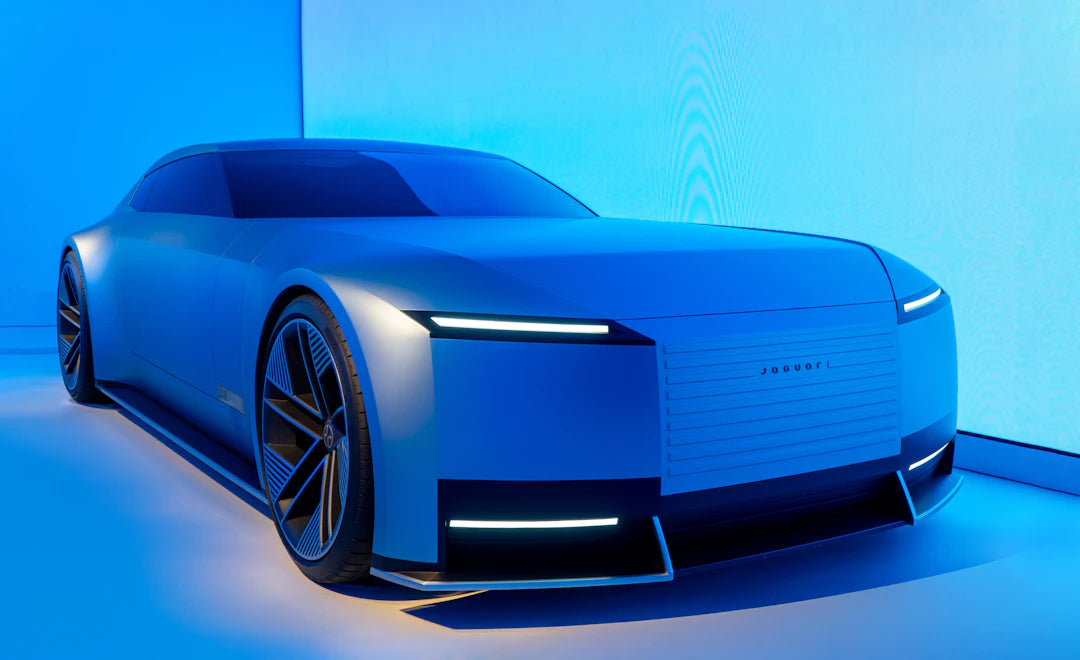
The automotive industry is undergoing a major transformation driven by innovations in electric vehicles, autonomous driving, connectivity, and advanced manufacturing techniques. Key advancements include improved battery technology, V2X communication for enhanced safety, and sustainable materials. On-demand mobility solutions like ride-sharing are also gaining traction, promoting a shift towards sustainability. As these trends evolve, consumers must stay informed to navigate the future of transportation effectively.
Frequently Asked Questions
1. What are the main technological advancements in the automotive industry today?
2. How are electric vehicles contributing to sustainability?
3. What role do autonomous vehicles play in the future of driving?
4. How do connected cars enhance safety and the driving experience?
5. What impact does on-demand mobility have on transportation choices?
The automotive industry is at a pivotal crossroads, with technological advancements altering the landscape of how we think about mobility. As we head into an era characterized by sustainability, connectivity, and automation, several key innovations are emerging that promise to revolutionize the way we design, manufacture, and use cars. Understanding these innovations not only enhances consumer knowledge but also affirms the need for adaptive services like those offered at Car Breakers. Let’s dive into the innovations shaping the future of cars.
Electric Vehicles (EVs): The Shift Towards Sustainability
One of the most significant innovations influencing the automotive sector today is the rise of electric vehicles. As climate change concerns grow, traditional internal combustion engines are being replaced by EVs, which offer a cleaner, more sustainable alternative. This shift is multifaceted and involves various elements:
Battery Technology Advancements
New battery technologies, such as solid-state and lithium-sulfur batteries, are at the forefront of EV innovation. These advancements promise higher energy densities, faster charging times, and greater overall efficiency. As the range of electric vehicles continues to expand, potential buyers are increasingly drawn to the prospect of an environmentally friendly driving experience without the "range anxiety" associated with earlier EV models.
Infrastructure Development
In tandem with improved battery technology, the infrastructure surrounding EVs is expanding. Charging stations are becoming more prevalent in urban settings and along major highways. This expansion is vital not only for boosting consumer confidence but also for making EV ownership practical and convenient.
Autonomous Vehicles: The Future of Driving
Self-driving technology is transforming the automotive industry as manufacturers race to develop fully autonomous vehicles (AVs). The implications of this technology extend far beyond convenience; they pose potential benefits in road safety, efficiency, and overall commuting experience.
Sensor Technology and AI
The backbone of autonomous vehicles is their advanced sensor systems combined with artificial intelligence. Lidar, radar, and camera systems work in unison to provide a comprehensive view of a vehicle's environment. AI algorithms process this data to enable vehicles to navigate, react to obstacles, and make informed decisions, aiming for a future where human intervention is unnecessary.
Traffic Flow Optimization
Aside from individual vehicle advancements, the integration of autonomous technology into urban environments can result in optimized traffic flows. With interconnected vehicle systems, traffic management can become more efficient, reducing congestion, emissions, and commute times.
Connected Cars: The Era of Vehicle-to-Everything (V2X) Communication
As our homes become more connected, vehicles are evolving into smart companions that can communicate with each other and their surroundings. This connectivity is not just about infotainment systems; it's a whole new approach to safety and convenience.
Enhancing Safety through V2X
Vehicle-to-Everything communication enables cars to interact with other vehicles, infrastructure (like traffic lights), and even pedestrians. By sharing critical data in real-time, vehicles can react more swiftly to dangerous situations, potentially reducing accidents and enhancing safety.
Personalization and User Experience
Connected cars also promise a new level of personalization. Drivers will be able to customize their driving experience based on personal preferences and data gathered about their habits. From preferred routes to optimal driving conditions, the car becomes an extension of the driver’s lifestyle.
Advanced Materials: Lightweight and Durable
The next generation of vehicles is also being shaped by innovations in materials science. Lightweight yet durable materials are crucial for enhancing performance and energy efficiency.
Carbon Fiber and Composites
Carbon fiber and composite materials are gaining popularity due to their strength-to-weight ratio. These materials enable manufacturers to create vehicles that are not only lighter but also safer and more fuel-efficient. Reducing the weight of a car can lead to increased range for electric vehicles and improved fuel efficiency for combustion-engine cars.
Recyclable Materials
The emphasis on sustainability extends beyond energy sources to the materials used in car manufacturing. Companies are increasingly investing in recyclable materials and sustainable practices, contributing to a circular economy in the automotive industry.
Innovative Manufacturing Techniques: The Future of Production
As technology evolves, so does the manufacturing process behind car production. Innovations such as 3D printing and robotics are rapidly transforming how cars are made.
3D Printing Applications
3D printing is reshaping the automotive landscape by enabling rapid prototyping and customized parts production. Manufacturers are finding that 3D printing can streamline the development process, reduce costs, and minimize waste, paving the way for more flexible and responsive manufacturing capabilities.
Robotics and Automation
Robots are playing an increasingly vital role in automotive manufacturing. Automated systems can enhance precision and efficiency while maintaining safety standards. With the use of advanced robots, the industry can meet growing consumer demands without compromising on quality.
Smart Features: Enhancing the Driving Experience
The integration of smart features in cars is creating a more enjoyable and comfortable driving experience. From driver assistance systems to enhanced infotainment options, cars are becoming smarter every day.
Driver Assistance Systems
Technological advancements like adaptive cruise control, lane-keeping assist, and automatic emergency braking are making driving safer and more accessible, particularly for new drivers. These systems not only enhance safety but also provide a more relaxed driving experience.
Infotainment and Connectivity
Modern cars come equipped with sophisticated infotainment systems that offer seamless integration with smartphones, navigation, and entertainment options. As connectivity continues to evolve, we can expect even richer experiences that allow drivers to maintain their focus on the road while staying connected with the outside world.
Emissions and Environmental Impact: Cleaner Choices
As we approach stricter emissions regulations worldwide, automotive manufacturers are pressured to innovate not only in hybrid and electric technologies but also in making cleaner combustion engines. This is resulting in groundbreaking developments across various sectors.
Hybrid Technology Expansion
Hybrid vehicles are becoming increasingly popular as they bridge the gap between conventional and electric vehicles. Innovations in hybrid technology are enhancing fuel efficiency while lowering emissions, meeting the needs of eco-conscious consumers.
Carbon Capture Technology
Some manufacturers are exploring carbon capture technologies as an innovative way to reduce the overall environmental impact of their production processes. This approach could significantly diminish greenhouse gas emissions in the long run, contributing positively to climate goals.
On-Demand Mobility: The Future of Transportation
The concept of on-demand mobility has reshaped how we think about transportation. With the advent of ride-sharing and car-sharing platforms, consumers now have more choices than ever, reducing the number of vehicles on the road.
Mobility as a Service (MaaS)
MaaS integrates various forms of transport services into a single accessible and customer-friendly gateway. By allowing users to plan, book, and pay for multiple types of mobility services through one platform, it reduces reliance on individual car ownership, promoting sustainability.
Shared Economy and Environmental Benefits
As the shared economy gains traction, the positive environmental impact could be significant. Fewer vehicles on the road can lead to reduced emissions, traffic congestion, and ultimately, a healthier planet. As consumers become more eco-conscious, innovative mobility solutions will likely take precedence.
Riding the Wave of Change
The automotive industry's path forward is characterized by innovation and transformation. As electric vehicles, autonomous driving technology, connected features, and advanced manufacturing techniques become mainstream, consumers must stay informed about these crucial trends. At Car Breakers, we are committed to keeping you updated on these developments while providing services that resonate with the changing landscape of the automotive world. Embrace the future, and let technology pave the way for a safer, more sustainable, and smarter driving experience!