Overview
Understanding modern driver preferences is crucial for automotive businesses. Key insights include: diverse demographics with varying values, a strong emphasis on sustainability and eco-friendly options, demand for advanced technology and connectivity, importance of design and comfort, growing interest in vehicle customization, and the need for transparent pricing. Engaging marketing strategies and attention to online reputation are vital for building customer loyalty. Staying updated on emerging trends like automated vehicles and shared mobility will help businesses adapt and thrive in a competitive market.
Frequently Asked Questions
1. What are the key preferences of modern drivers?
2. How important is sustainability to today's car buyers?
3. What technology features do modern drivers expect in their vehicles?
4. How do consumer preferences differ among age demographics?
5. Why is brand loyalty important in the automotive industry?
In the ever-evolving landscape of the automotive industry, understanding consumer preferences is pivotal for any business aiming to thrive. Today’s drivers are not just looking for vehicles; they are seeking experiences that reflect their values, lifestyles, and interests. As an industry player, unlocking these insights can significantly enhance your offerings and boost customer satisfaction. In this article, we delve deep into the key preferences of modern drivers, analyzing their expectations and desires to help you better cater to your target audience.
Drivers: A Demographic Overview
The modern driver is a diverse group, encompassing various age brackets, cultural backgrounds, and lifestyles. However, some common characteristics define their preferences:
- Young Adults (18-30 years): This group values technology integration, sustainability, and connectivity.
- Mid-Life Professionals (31-50 years): They seek reliability, performance, and comfort, often looking for family-friendly vehicles.
- Seniors (50+ years): Safety features, easy accessibility, and simplicity are paramount for this demographic.
Understanding the unique desires of each segment is crucial for tailoring your offerings and marketing strategies to effectively engage with potential customers.
Sustainability is Key
One of the most significant trends influencing modern drivers is the increased emphasis on sustainability. Consumers today are more environmentally conscious, looking at their carbon footprint when making purchasing decisions. Some key points to note include:
Electric and Hybrid Vehicles
Electric cars and hybrid vehicles are rapidly gaining traction. Consumers prefer models that produce less pollution and use renewable energy sources. This shift doesn't just contribute to environmental conservation but also often results in lower operating costs, which is appealing to budget-conscious drivers.
Eco-Friendly Materials
In addition to fuel efficiency, many consumers are interested in the materials used in their vehicles. Eco-friendly materials in interiors, like recycled plastics and sustainable fabrics, are becoming more common, and brands that promote these features stand to capture the interest of eco-conscious consumers.
Technology and Connectivity
Modern drivers are tech-savvy and expect seamless integration of technology into their vehicles. Features that enhance connectivity and infotainment are gaining priority. Some popular preferences include:
Smartphone Integration
Drivers today expect their vehicles to provide compatibility with their smartphones. Technologies like Apple CarPlay and Android Auto enable drivers to use their smartphone apps directly from the car's dashboard, enhancing convenience and safety.
Advanced Driver Assistance Systems (ADAS)
Safety is a vital concern for all drivers. Features such as adaptive cruise control, lane-keeping assist, and automated braking are not just preferred but expected. These systems provide peace of mind and enhance the overall driving experience, making them a significant selling point for modern vehicles.
Design and Comfort
Design aesthetics and comfort play a significant role in consumer preferences. As drivers spend considerable time in their vehicles, the following aspects are essential:
Interior Quality
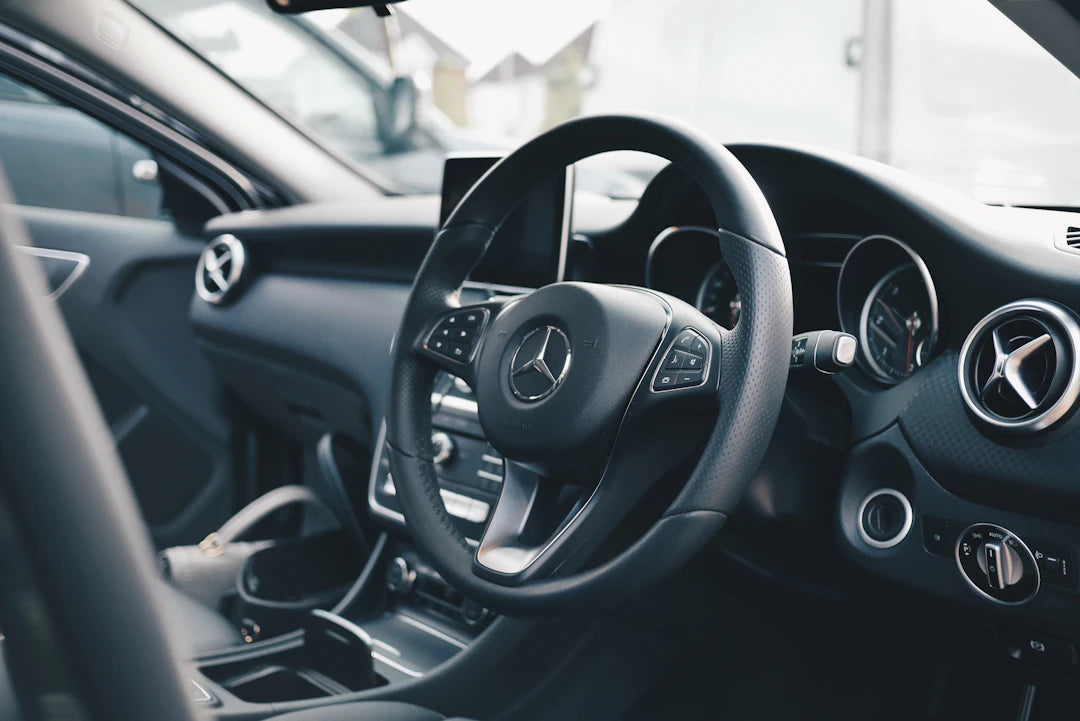
Modern consumers are looking for luxurious and high-quality interiors. Soft-touch materials, premium finishes, and ergonomic seating arrangements enhance perceived value and comfort, making them highly desirable features.
Space and Versatility
For consumers with families or active lifestyles, ample space and cargo versatility are paramount. Vehicles that offer flexible seating arrangements and generous cargo space are more appealing, catering to the needs of modern families.
Brand Loyalty vs. Brand Consciousness
Understanding consumer loyalty is also crucial. While some drivers remain loyal to long-standing brands, others gravitate towards innovative companies that align with their values.
Innovation Appeals to the Youth
Young adults often prefer brands that showcase innovative technology and progressive values. For them, the journey is not about the destination but also about the experiences shared through technology and design.
Traditional Loyalty
Conversely, older generations tend to favor brands they grew up with. They value reliability and trust, focusing more on the functional aspects of the vehicle over flashy features. Building brand loyalty can be an effective strategy, especially through customer service and relationship management.
A Growing Interest in Vehicle Customization
Consumers are increasingly interested in personalization options. Tailoring vehicles to fit individual tastes and preferences is a compelling trend in the automotive space. Here’s what you need to know:
Aftermarket Accessories
Many modern drivers are keen on adding aftermarket accessories to enhance their vehicle’s functionality and aesthetics. By catering to this interest, businesses can increase their engagement and boost sales.
Customizable Features
Allowing consumers to select features, colors, and materials at the point of sale can foster a deeper connection between driver and vehicle. Facilitating this form of personalization can be a valuable selling point, attracting modern drivers seeking a unique experience.
Pricing Sensitivity and Value
In a competitive market, pricing remains a critical factor influencing consumer choices. However, today’s drivers are not solely looking for the lowest price; they are searching for value.
Transparent Pricing
Consumers appreciate transparency in pricing, seeking clear breakdowns of costs without hidden fees. Providing upfront information can build trust and encourage sales.
Value-Added Services
Offering value-added services, such as maintenance packages or extended warranties, can make a vehicle more appealing at a slightly higher price point. Consumers are willing to invest if they see long-term benefits.
The Role of Online Reviews and Reputation Management
The influence of online reviews cannot be overstated. Modern consumers heavily rely on peer opinions and experiences when making purchasing decisions. Here’s how you can manage your online reputation:
Encourage Reviews
Encouraging satisfied customers to leave positive reviews can significantly enhance your online presence. A robust collection of positive feedback can sway potential buyers in your favor.
Address Negative Feedback
Handling negative reviews promptly and professionally can help rebuild relationships with dissatisfied customers. This practice demonstrates accountability and commitment to customer satisfaction, enhancing your reputation.
Engaging Marketing Strategies for Modern Drivers
As modern drivers become more discerning, your marketing strategies must evolve. Effective methods to engage your audience include:
Content Marketing
Creating valuable and informative content can position your brand as an authority in the automotive sector. Blogs, videos, and tutorials not only boost SEO but also provide potential buyers with the information they seek while enhancing engagement.
Social Media Engagement
Leveraging social media platforms to interact with your audience is vital. Regular updates, promotions, and direct engagement with followers can cultivate a community around your brand, fostering loyalty and encouraging referrals.
Navigating Future Trends in Consumer Preferences
The automotive industry is continually evolving, and so too are consumer preferences. Keeping a pulse on emerging trends is crucial for staying relevant. Here are some anticipated trends:
Automated Vehicles
The concept of self-driving cars is no longer confined to science fiction. As technology progresses, consumer awareness and acceptance of autonomous vehicles will likely increase. Addressing the concerns and expectations surrounding autonomy could be a critical focus area.
Shared Mobility
With the rise of economic driving and rideshare services, some consumers may move toward shared mobility solutions. Understanding how this trend may impact ownership models will be essential as businesses formulate their strategies.
The landscape of automotive consumer preferences is shifting consistently, influenced by various factors including technology, environmental consciousness, and lifestyle choices. By understanding what modern drivers want and adapting your strategies, you can elevate your business, increase engagement, and foster lasting customer loyalty. The journey toward aligning your services with consumer desires may be complex, but those who tailor their offerings thoughtfully will undoubtedly stand out in a crowded marketplace.