
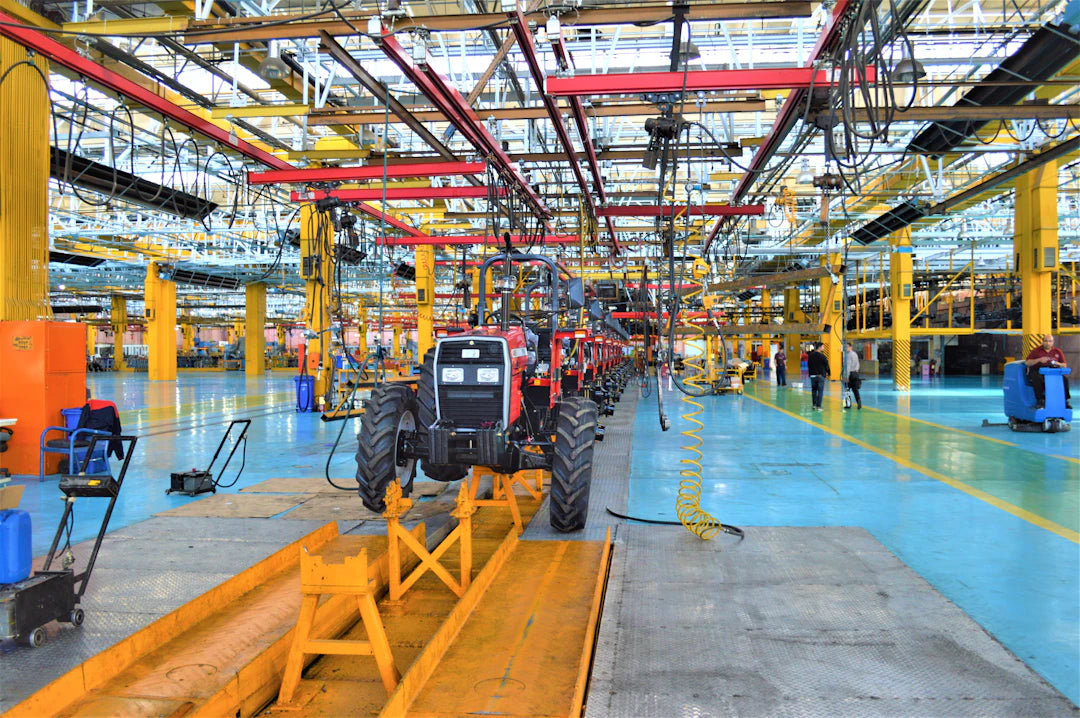
Overview
The automotive industry is facing significant challenges and opportunities within its supply chains due to material shortages, increased transportation costs, regulatory changes, and shifting consumer preferences. Companies can optimize operations by adopting digital technologies, building resilient supply chains, fostering collaborations, and focusing on sustainability. Strategies such as effective inventory management, investing in workforce training, embracing agility, and enhancing communication are vital for navigating these changes and preparing for the future of the industry.
Frequently Asked Questions
1. What are the primary challenges facing the automotive supply chains today?
2. How can digital technologies improve automotive supply chains?
3. What strategies can companies implement to build resilient supply chains?
4. Why is sustainability becoming important in the automotive industry?
5. What future trends should businesses in the automotive sector be aware of?
The automotive industry is undergoing unprecedented changes, shaped by evolving technologies, geopolitical tensions, and shifting consumer preferences. For businesses in the sector, understanding the challenges and opportunities within automotive supply chains is crucial to remaining competitive. In this blog post, we will explore these dynamics, offering insights for companies aiming to optimize their operations and enhance their market strategies.
The Current State of the Automotive Supply Chain
The automotive supply chain is a complex network that encompasses all the manufacturers, suppliers, logistics providers, and distributors working together to bring vehicles to market. Post-pandemic, this supply chain has faced numerous challenges, including:
- Shortages of raw materials and components
- Increased transportation costs
- Changes in consumer demand
- Environmental regulations
- Technological advancements
Understanding these critical challenges can help businesses identify areas where they can leverage opportunities for growth and innovation.
Challenges Facing Automotive Supply Chains
Material Shortages
The semiconductor shortage has been perhaps the most notable disruption in the automotive industry. As vehicles become increasingly reliant on electronic components, the demand for chips has skyrocketed. This has led to production delays and heightened competition for limited resources.
Transportation Issues
With rising fuel prices and a shortage of truck drivers, logistics has become more complicated than ever. Companies find themselves dealing with increased transportation costs, affecting profit margins and product availability.
Regulatory Changes
Environmental regulations are becoming stricter globally, pushing manufacturers to adopt more sustainable practices in their supply chains. This shift presents both operational challenges and opportunities for companies willing to invest in greener technologies.
Consumer Preference Shifts
A growing consumer preference for electric and hybrid vehicles requires suppliers to rethink their strategies. The transition to electric vehicles relies on different materials and technologies compared to traditional internal combustion engines, necessitating a re-evaluation of sourcing and manufacturing practices.
Opportunities for Growth and Innovation
Adopting Digital Technologies
Digital transformation is becoming a focal point in the automotive supply chain. Companies can leverage technologies such as the Internet of Things (IoT), artificial intelligence, and blockchain to enhance efficiency and transparency. These technologies enable real-time monitoring of supply chain operations, improving decision-making processes and reducing operational costs.
Building Resilient Supply Chains
In response to recent disruptions, companies are recognizing the need to build more resilient supply chains. This includes diversifying suppliers, nearshoring production, and investing in inventory management solutions. Resilience doesn’t just mitigate risks; it also creates opportunities for businesses to respond more quickly to market demands.
Collaboration and Partnerships
Collaboration among stakeholders can lead to more innovative solutions. Automotive companies are increasingly forming strategic partnerships with tech firms to drive advancements in EV technologies, autonomous vehicles, and smart manufacturing processes. These collaborations can enhance product offerings and create synergies that benefit all parties involved.
Focus on Sustainability
With consumer interest in sustainability growing, companies have a unique opportunity to differentiate themselves by committing to environmentally-friendly practices. From sourcing materials responsibly to reducing waste in manufacturing processes, sustainable initiatives can drive customer loyalty and open new market opportunities.
Strategies for Overcoming Challenges
Optimize Inventory Management
Effective inventory management is crucial to navigating the challenges of supply chain disruptions. Implementing just-in-time (JIT) inventory practices, along with data-driven demand forecasting, can help businesses maintain the right stock levels while minimizing excess inventory costs.
Invest in Training and Development
The demand for skilled labor in the automotive sector is increasing, particularly in areas involving new technologies. Investing in employee training and development will not only boost productivity but also foster a culture of innovation within organizations.
Embrace Agile Practices
Agility is key in the fast-evolving automotive landscape. Companies should evaluate their processes and consider adopting agile methodologies that allow them to quickly adapt to changes in market conditions, consumer preferences, and technological advancements.
Enhance Communication Across the Supply Chain
Effective communication is vital for successful supply chain management. Utilizing advanced communication tools and platforms can streamline operations and ensure that all stakeholders are aligned. This is especially important when responding to disruptions or implementing new strategies.
The Future of Automotive Supply Chains
The automotive supply chain landscape will continue to evolve as technology and consumer preferences shift. Firms that recognize the importance of adapting to these trends will be better positioned to thrive in an increasingly competitive environment. Here are some trends to keep an eye on:
- Electric Vehicle (EV) Adoption: As more consumers opt for EVs, companies will need to adjust their supply chains to accommodate new material requirements.
- Enhanced Focus on Supply Chain Visibility: Increasing demand for transparency will require companies to adopt solutions that provide real-time data on their supply chain operations.
- Innovation Driven by AI: The integration of AI into supply chain processes will lead to smarter decision-making and operational efficiencies.
- Global Trade Dynamics: As geopolitical issues continue to unfold, businesses must stay informed and adaptable to changes in trade regulations and tariffs.
Gearing Up for the Future
The automotive supply chain is a rapidly changing landscape filled with both challenges and opportunities. By acknowledging the hurdles and embracing innovative solutions, businesses can prepare themselves for future growth and success. The key to thriving in this sector will be a willingness to adapt and innovate, ensuring supply chains are robust, efficient, and capable of meeting the needs of a transforming market. Whether you're a small business or a major manufacturer, taking actionable steps today will put you in the driver's seat for tomorrow.