
Overview
Businesses transitioning to a fully electric fleet face challenges such as high upfront costs, infrastructure development, employee training, technical hurdles, and regulatory compliance. Successful strategies include creating a comprehensive transition plan, engaging stakeholders, and fostering a green culture among employees. Understanding the electric fleet landscape and addressing these challenges can lead to long-term benefits, including cost savings and sustainability.
Frequently Asked Questions
1. What are the main challenges businesses face when transitioning to a fully electric fleet?
2. How can businesses mitigate the higher upfront costs of electric vehicles?
3. Why is employee training important during the transition to an electric fleet?
4. What technical challenges related to battery management should businesses be aware of?
5. What strategies can businesses use to successfully navigate the transition to a fully electric fleet?
The automotive industry is undergoing a dramatic transformation. With the global push towards sustainability and the reduction of carbon footprints, many businesses are considering the switch to a fully electric fleet. While the benefits of electric vehicles (EVs) are substantial, transitioning from traditional gasoline-powered vehicles comes with its own set of challenges. In this article, we'll delve into the hurdles that organizations face during this transition and offer insights on how to navigate them effectively.
Understanding the Electric Fleet Landscape
Before diving into the challenges, it's crucial to know the environment in which businesses are operating when transitioning to an electric fleet. The electric vehicle market has seen significant growth over the past few years, driven by advancements in technology, government incentives, and consumer demand for greener options. However, adapting to this new landscape requires careful planning and adaptability.
The Cost Factor
One of the primary challenges that businesses face when transitioning to a fully electric fleet is the initial investment. EVs often come with a higher upfront cost compared to their gasoline counterparts. However, it’s essential to look beyond that initial price tag. Here are a few key considerations:
- Long-term savings: While the purchase price of electric vehicles can be higher, the long-term savings on fuel and maintenance can offset this cost over time.
- Incentives and subsidies: Many governments offer grants or tax breaks for businesses that invest in electric vehicles, which can alleviate some of the initial expenses.
- Total cost of ownership: Businesses should evaluate the overall cost of ownership, including insurance, taxes, and potential re-selling value, when considering their investment.
Infrastructure Development
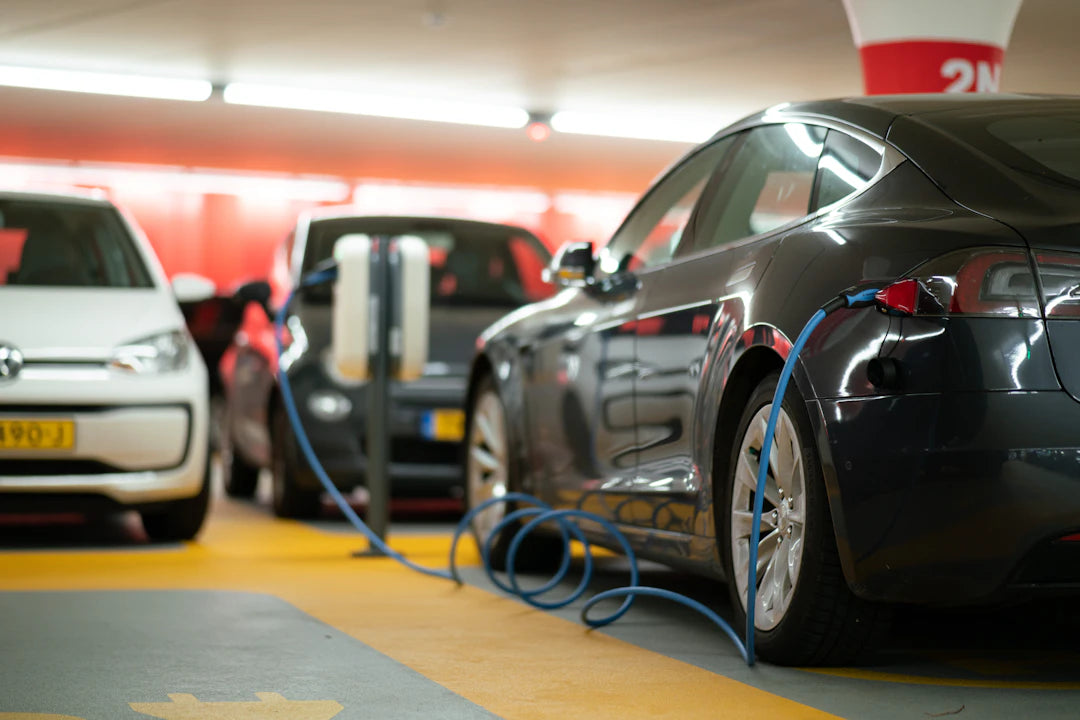
Another significant challenge in the transition to a fully electric fleet is establishing adequate charging infrastructure. The need for charging stations can vary based on the size of the fleet and the operational area. Here are essential points to consider:
- Site assessment: Conduct thorough evaluations of your operational sites to determine optimal locations for charging stations.
- Partnerships: Collaborate with local authorities or private companies to expand charging infrastructure within your region.
- Charging options: Explore various charging solutions, such as fast chargers and level 2 chargers, depending on your fleet's needs.
Employee Education and Training
Along with the physical transformation of the fleet, companies must invest in their employees' knowledge and skills regarding electric vehicles. Education plays a crucial role in ensuring a smooth transition. Here’s how to prioritize employee training:
Implementation of Training Programs
Implementing structured training programs can smooth the transition to EVs. Consider the following components:
- Workshops: Host workshops that cover the mechanics of electric vehicles, including their benefits and maintenance requirements.
- Driver training: Offer specialized training for drivers to improve efficiency when operating electric vehicles.
- Safety seminars: Educate employees on safety protocols when charging or handling electric vehicles.
Building a Green Culture
Transitioning to an electric fleet isn’t just about technology; it’s also about culture. Encouraging a green mindset can foster support among employees and align them with the company’s goals. Here’s how to build that culture:
- Awareness campaigns: Create campaigns that highlight the environmental benefits of electric vehicles and how employees can contribute to green initiatives.
- Incentives: Consider rewards or recognition for employees who actively embrace the shift towards cleaner transport options.
Technical Challenges to Address
When transitioning to an electric fleet, businesses must also navigate various technical challenges that could impact operations. Being proactive can smooth out these bumps in the road. Here are some common technical hurdles:
Battery Life and Management
Understanding battery technology is crucial. Key considerations include:
- Battery life: Evaluate the range of electric vehicles and ensure that they fit within your operational requirements.
- Monitoring systems: Implement battery management systems to monitor charge levels, health, and performance.
Maintenance for Electric Vehicles
While EVs generally require less maintenance than traditional vehicles, their maintenance needs differ. Here’s what to know:
- Specialized training: Ensure that your maintenance team receives specialized training in EV technology.
- Regular checks: Schedule regular inspections to ensure that all components, such as electric drivetrains and charging systems, are functioning optimally.
Navigating Regulatory and Compliance Issues
As the industry evolves, so too do the regulations surrounding electric vehicles. Companies must ensure they are compliant with local laws and guidelines regarding electric fleets. Here are key areas of focus:
Understanding Local Regulations
Be aware of regulations that impact electric vehicle operations, including:
- Emission standards: Stay updated on local laws regarding transportation emissions to ensure compliance.
- Incentives for electric vehicles: Regularly review available incentives that could benefit your transition.
Insurance and Liability
It’s essential to re-evaluate your insurance policies to ensure they cover electric vehicles. Here are factors to consider:
- Coverage adjustments: Discuss with insurance providers to determine if any adjustments are necessary for your electric fleet.
- Liability considerations: Understand the liability aspects associated with operating electric vehicles, particularly in terms of charging incidents or battery-related mishaps.
The Road Ahead: Strategies for Success
Transitioning to a fully electric fleet is a multifaceted challenge, but with careful planning and execution, businesses can overcome these hurdles. Here are some strategies for successfully navigating the transition:
Creating a Comprehensive Transition Plan
Developing a comprehensive roadmap can guide your journey towards a fully electric fleet.
- Phase implementation: Stage your transition in phases to ensure smooth integration of electric vehicles into your current operations.
- Evaluate performance: Regularly assess the performance of electric vehicles and the efficiency of your charging infrastructure to identify areas for improvement.
Engaging Stakeholders
Partnering with stakeholders can facilitate a smoother transition. Consider the following:
- Collaboration: Work with other businesses, suppliers, and industry groups to share knowledge and experiences regarding electric fleet transitions.
- Community Involvement: Participate in discussions and forums surrounding sustainable transport to stay informed on best practices and innovations.
Embracing the Future with Confidence
Transitioning to a fully electric fleet can seem daunting, yet it also presents incredible opportunities for businesses to lead the charge towards a more sustainable future. By understanding the challenges and developing well-thought-out strategies, you can make this transition smoother and more effective. In no time, your team will be reaping the rewards of enhanced efficiency, reduced operational costs, and a significant positive impact on the environment.
As you navigate the exciting path of electrification, remember that the journey is just as important as the destination. Stay informed, remain adaptable, and embrace the evolution of your fleet with confidence. In doing so, you’ll not only enhance your operational excellence but also position your business as a leader in sustainability.