
Overview
Connectivity in modern vehicles enhances driving safety, comfort, and sustainability through real-time alerts, infotainment systems, personalized settings, and eco-driving features. Future innovations like autonomous vehicles and V2X communication promise to further improve the driving experience. Embracing these technologies can lead to safer, more enjoyable, and eco-friendly journeys.
Frequently Asked Questions
1. How does connectivity enhance driving safety?
2. What are infotainment systems and how do they improve the driving experience?
3. What are driver profiles in connected cars?
4. How do eco-driving features contribute to sustainability?
5. What future innovations are anticipated in connected driving technology?
In today’s fast-paced world, connectivity is no longer just a luxury; it’s an essential component of modern life, especially when it comes to driving. The evolution of technology has greatly transformed the driving experience, making it safer, more enjoyable, and more interactive. As car enthusiasts and everyday drivers alike seek advanced features that cater to their needs, connectivity has taken center stage. In this article, we will explore the various roles of connectivity in enhancing the driving experience, the technologies that are driving change, and the future of connected driving.
The Impact of Connectivity on Driving Safety
One of the most significant ways connectivity enhances the driving experience is through improved safety. With the integration of smart technologies and real-time data communication, drivers can stay informed about their surroundings and potential hazards on the road.
Smart Warnings and Real-Time Traffic Updates
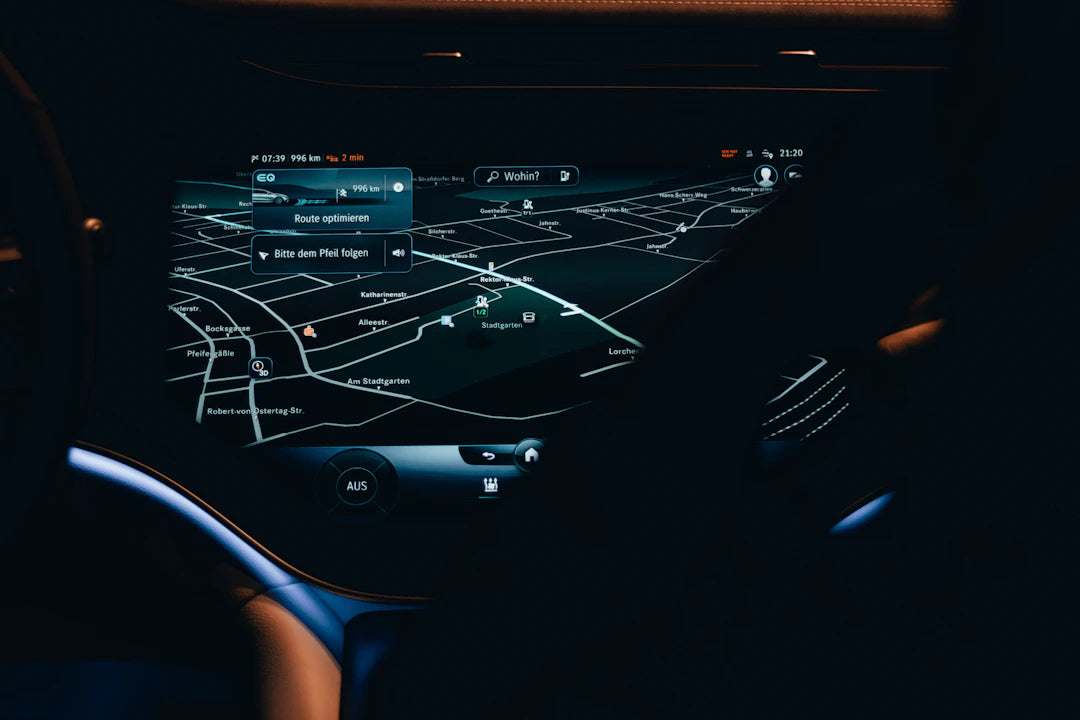
Connected cars are equipped with advanced sensors and communication systems that provide real-time alerts about traffic conditions, accidents, and road closures. Features like GPS navigation systems have evolved to include dynamic routing that adjusts based on traffic updates, allowing drivers to avoid congested areas and arrive at their destinations faster.
Emergency Assistance Features
In the unfortunate event of an accident, connectivity can be a lifesaver. Many connected vehicles come with emergency assistance features that automatically contact local authorities when a crash is detected. This feature not only speeds up response times but can also provide critical information about the nature of the accident, ensuring proper assistance is dispatched.
Enhancing Comfort and Convenience
Connectivity doesn’t just make driving safer; it also enhances comfort and convenience for drivers and passengers alike. With a wealth of features designed to improve the overall driving experience, connectivity has transformed the way we interact with our vehicles.
Infotainment Systems
Infotainment systems have come a long way in recent years. Modern systems integrate seamlessly with smartphones, allowing drivers to access their favorite apps, music, and navigation tools without taking their eyes off the road. Voice recognition technology makes it even easier to command these systems, ensuring that drivers can remain focused while enjoying their favorite content.
Remote Access and Management
Imagine being able to start your car from the comfort of your home or monitor its health while you’re away. Many connected vehicles now come with mobile apps that provide remote access to various functions. You can lock or unlock your doors, check fuel levels, and even schedule maintenance reminders, all at your fingertips. This level of connectivity enhances convenience, allowing drivers to prioritize their schedules and keep their vehicles in top shape.
Personalized Driving Experience
Connectivity also opens the door to personalization, making each driving experience unique. With the data collected from drivers, connected vehicles can adapt to individual preferences in real-time.
Driver Profiles
Many modern cars allow multiple user profiles, enabling family members or friends to have their settings automatically adjusted upon entering the vehicle. Things like seat position, climate control, and infotainment preferences can be tailored to each driver, making the experience more comfortable and enjoyable.
Data-Driven Enhancements
The continuous connectivity of a vehicle allows it to analyze driving habits and behaviors. Using this information, connected cars can suggest better routes based on past trips and driving patterns, ultimately leading to a more efficient driving experience. This data-driven approach not only caters to individual preferences but also enhances overall driving safety by promoting better driving habits.
The Environmental Impact of Connected Driving
As the world becomes increasingly concerned about the environment, the role of connectivity in promoting sustainable driving practices is more crucial than ever. By utilizing connected technologies, drivers can contribute to reducing their carbon footprint while enjoying a better driving experience.
Eco-Driving Features
Many connected cars are equipped with eco-driving features that monitor fuel consumption and provide real-time coaching to promote more efficient driving. By receiving immediate feedback on acceleration and braking patterns, drivers can adjust their habits to minimize fuel consumption and reduce emissions.
Shared Mobility Solutions
Connected vehicles also facilitate shared mobility concepts, which can significantly reduce the number of cars on the road. By leveraging connectivity, ride-sharing and carpooling services are more manageable, promoting collaboration among drivers and minimizing traffic congestion. This shift towards shared mobility can lead to lower overall environmental impact and a more sustainable future for urban transport.
Preparing for the Future of Connectivity in Driving
The future of connected driving holds incredible promise, as the technology continues to evolve rapidly. Emerging innovations are set to enhance the driving experience even further, offering exciting opportunities for both manufacturers and consumers.
Autonomous Vehicles
One of the most talked-about advancements in the automotive industry is the development of autonomous vehicles. By leveraging connectivity and AI, these vehicles aim to revolutionize the way we drive. Although fully autonomous vehicles are still in the testing phase, many manufacturers are already incorporating semi-autonomous features in their current models, such as adaptive cruise control and lane-keeping assistance.
V2X Communication
Vehicle-to-everything (V2X) communication is another major innovation on the horizon. This technology allows vehicles to communicate with one another, as well as with infrastructure like traffic lights and road signs. This connection can provide crucial information about traffic conditions, weather changes, and potential hazards, further enhancing safety and efficiency on the road.
Embracing Connectivity for an Enhanced Driving Experience
In conclusion, the role of connectivity in enhancing the driving experience is multifaceted and profound. From improving safety with real-time data to personalizing comfort and convenience, connected vehicles are transforming the way we drive. As technology continues to evolve, we can expect even greater advancements in how connectivity shapes our automotive experiences.
To truly embrace the power of connectivity, it’s essential for drivers to adapt to these new technologies and incorporate them into their daily routines. By staying informed and seeking innovative features, both drivers and passengers can enjoy a safer, more enjoyable, and eco-friendly driving experience. As we look forward to the future of driving, the integration of connectivity will undoubtedly play a pivotal role in shaping the journey ahead.