Frequently Asked Questions
1. What is vehicle connectivity?
2. How does vehicle connectivity enhance driver safety?
3. What are some convenience features of connected vehicles?
4. How does connectivity improve fuel efficiency in vehicles?
5. What are some challenges associated with vehicle connectivity?
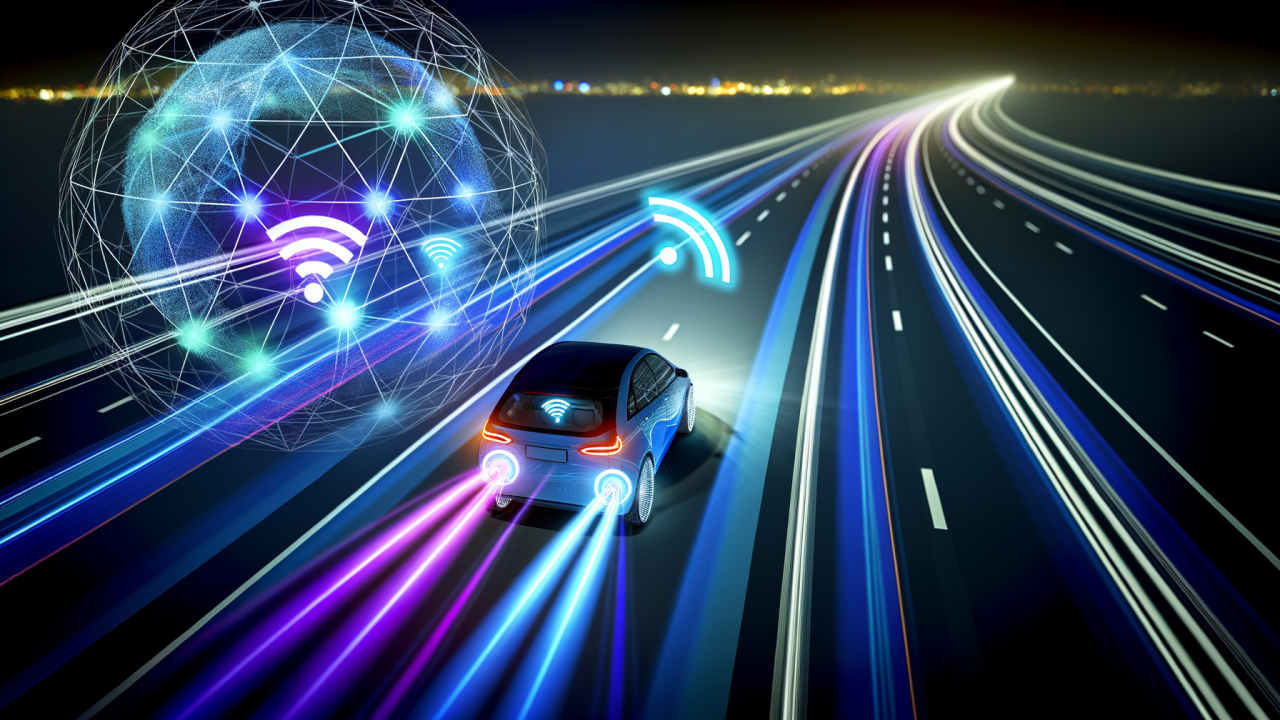
The automotive industry has undergone a seismic shift in recent years, fundamentally altering the way we perceive and interact with vehicles. One of the most significant advancements driving this transformation is connectivity. Today’s modern vehicles are no longer just machines for transportation; they have evolved into sophisticated, interconnected systems that offer a wealth of features and capabilities. In this article, we’ll explore the vital role connectivity plays in modern vehicles, from enhancing driver safety to improving convenience and efficiency.
Understanding Vehicle Connectivity
Vehicle connectivity refers to the ability of cars to communicate with various external systems, devices, and networks. This includes everything from basic features like GPS navigation to complex systems that integrate with smartphones, cloud services, and other vehicles on the road. The underlying technology often involves a range of wireless communication protocols such as Bluetooth, Wi-Fi, and cellular networks.
How Connectivity Works in Vehicles
Modern vehicles are equipped with an array of sensors and software that allow them to interact with both their environment and the driver. A typical connected car might include the following components:
- On-Board Diagnostics (OBD): Monitors vehicle performance and allows for real-time data reporting.
- Telematics Systems: Collect and transmit data regarding vehicle location, speed, and maintenance needs.
- Infotainment Systems: Provide entertainment and information through interfaces integrated with smartphones and the web.
- Advanced Driver Assistance Systems (ADAS): Use sensors and cameras to enhance driving safety and convenience.
The Impact of Connectivity on Driver Safety
Safety has always been a primary concern in the automotive industry, and connectivity plays a crucial role in advancing safety measures. Modern connected vehicles can leverage real-time data to enhance safety features in several ways:
Real-Time Weather and Traffic Updates
Connected vehicles can receive updated information about weather conditions and traffic patterns. This allows drivers to adjust their routes accordingly, avoiding dangerous conditions or traffic jams that could lead to accidents. Many navigation systems now include features that automatically reroute based on live traffic data, making them not just helpful but essential for safe travel.
Emergency Assistance
In the event of an accident, vehicles equipped with connectivity features can automatically summon emergency services. This feature often utilizes GPS data to provide precise vehicle location to first responders, drastically reducing response times. In critical moments, these capabilities can mean the difference between life and death.
Driver Behavior Monitoring
Advanced driver assistance systems can also monitor driving behaviors, such as speed and braking patterns. By analyzing this data, connected vehicles can provide feedback that helps drivers make safer choices on the road. For example, a connected car may alert a driver if they are speeding or if they are following another vehicle too closely.
Enhancing Convenience Through Connectivity
The convenience offered by connected vehicles extends far beyond traditional functions. In today's fast-paced world, consumers are demanding more technology features that simplify their driving experience.
Remote Vehicle Management
Many connected vehicles come with smartphone apps that allow car owners to perform various functions remotely. These features often include:
- Remote Start: Start your vehicle from afar, which can be especially helpful in cold or hot weather.
- Vehicle Diagnostics: Check the health of your vehicle including battery status, tire pressure, and maintenance reminders.
- Location Tracking: Keep track of your vehicle’s location, which can be useful if it’s parked in a busy area.
In-Vehicle Commerce
With the rise of connectivity, drivers can now access shopping and services without ever leaving their vehicle. For instance, features like integrated payment systems allow users to purchase fuel or even food directly through their infotainment systems. This innovation not only enhances convenience, but it also opens up new revenue opportunities for businesses operating within the automotive space.
Fueling Efficiency with Connectivity
Another significant area where connectivity is making an impact is fuel efficiency and overall performance. By collecting and analyzing data from various vehicle systems, connected cars can optimize their performance in real-time.
Smart Energy Management
For electric vehicles (EVs), connectivity can lead to smarter energy management. Connected EVs can communicate with charging stations to find available ports, arrange payments, and even schedule charging for off-peak times, resulting in cost savings for the driver and a more efficient use of the electrical grid.
Predictive Maintenance
Predictive maintenance is another area where connectivity shines. By analyzing data from various sensors, vehicles can predict potential issues before they become serious problems. For example, if tire pressure sensors indicate a slow leak, the system can alert the driver before a flat tire occurs. This proactive approach saves time and money while enhancing safety.
Challenges of Connectivity in Vehicles
While the benefits of connectivity in vehicles are numerous, it’s important to acknowledge that this technology also comes with challenges and concerns that manufacturers and consumers must address.
Data Security and Privacy
One of the primary concerns surrounding connected vehicles is data security. The more a vehicle communicates with external systems, the greater the risk of potential hackers accessing sensitive information. Manufacturers are tasked with implementing robust security measures to safeguard user data and ensure privacy.
Reliability of Connectivity
Reliability is another concern; connectivity depends on consistent coverage and network performance. In areas with limited network reception, features may become unusable, limiting the vehicle’s advanced functionalities. Ensuring seamless connectivity is a priority for both manufacturers and service providers moving forward.
The Future of Connectivity in the Automotive Industry
The future of connectivity in vehicles looks promising. As technology continues to advance, we can expect to see even more innovative features that enhance the driving experience. Concepts such as vehicle-to-everything (V2X) communication, which allows vehicles to communicate with infrastructure, other cars, and pedestrians, are already being researched and implemented in various pilots around the world.
Autonomous Driving
Connectivity is at the forefront of developing autonomous vehicles. These self-driving cars rely heavily on real-time data from various sources, including sensors and external networks, to navigate safely. As connectivity improves, so does the potential for fully autonomous vehicles, revolutionizing how we think about transportation.
Smart Cities and Infrastructure
The growth of connected vehicles goes hand-in-hand with the development of smart cities. Integrating vehicle technology with urban infrastructure can lead to reduced traffic congestion, improved air quality, and enhanced public transportation systems. This synergy between vehicles and the environments they operate in will be vital for creating a sustainable future.
Navigating the Journey Ahead
The role of connectivity in modern vehicles is transformative, vastly enhancing safety, convenience, and efficiency while also presenting unique challenges that must be managed. As technology advances, the integration of connectivity into the automotive landscape will continue to evolve, reshaping how we drive and interact with our vehicles. Embracing these changes can lead to an exciting future filled with improved driving experiences and safer roads for everyone. As we look ahead, understanding and adapting to these innovations will be crucial for both consumers and manufacturers alike, setting the stage for the next chapter in automotive history.
