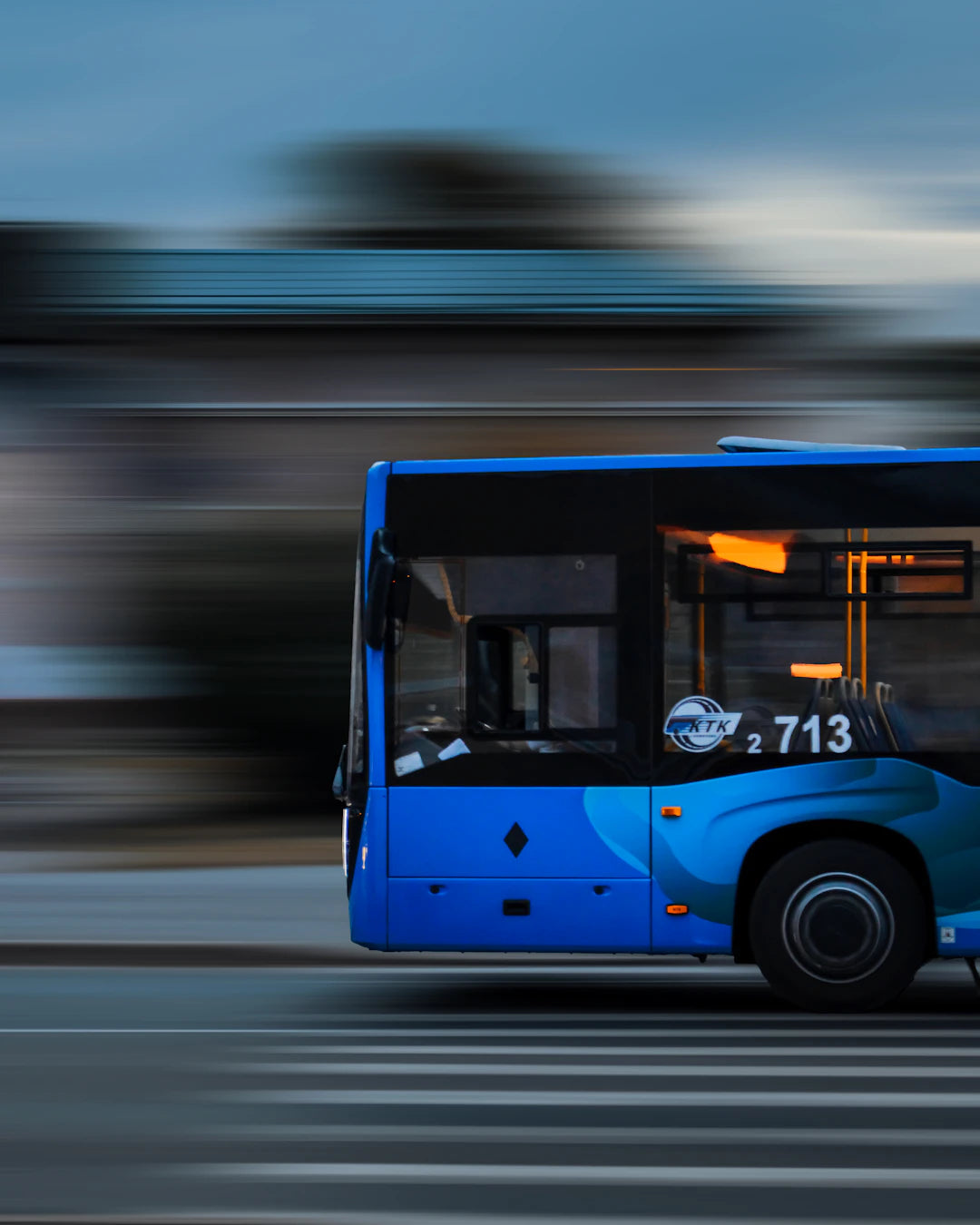
Overview
Public transportation trends are reshaping car sales and consumer attitudes towards vehicle ownership. Factors like sustainability, urbanization, and economic concerns drive a shift towards public transport, influencing a decline in car ownership. Automakers must adapt by targeting urban consumers, focusing on sustainability, and exploring collaborations with public transport services. Future trends point to increased demand for integrated mobility solutions and continued competition between public and personal transportation.
Frequently Asked Questions
1. What are the main factors contributing to the rise of public transportation?
2. How are consumer preferences regarding car ownership changing?
3. What impact does public transportation have on car sales?
4. What challenges do car manufacturers face due to the rise of public transportation?
5. What future trends are expected to affect the relationship between public transportation and car sales?
As the world continues to rapidly evolve, so does the way people transport themselves. Public transportation trends are increasingly influencing car sales, changing how businesses market vehicles and consumers approach ownership. Understanding this interplay offers vital insights into the automotive market and the future of personal mobility. In this article, we'll explore the intricate relationship between public transportation trends and car sales, diving into market shifts, consumer behaviors, and the implications for the automotive industry.
Understanding the Rise of Public Transportation
In recent years, urban centers have seen a significant shift towards enhancing public transportation systems. A combination of factors contributes to this rise:
- Sustainability: As awareness of environmental issues grows, many cities focus on reducing their carbon footprint. Public transport is a more sustainable option compared to individual car usage.
- Urbanization: With more people moving into cities, the demand for efficient and affordable transportation options has increased.
- Economic Factors: The rising costs of vehicle ownership, including maintenance, insurance, and fuel, lead individuals to consider public transportation as a viable alternative.
- Technological Advancements: Innovations in public transit technology, such as real-time tracking apps and contactless payment systems, improve user experience and promote public transport use.
Shifting Consumer Preferences
As public transportation becomes more accessible and appealing, consumer preferences regarding car ownership are changing:
Minimalism and Urban Living
The minimalist movement has gained traction, particularly in urban areas. People are beginning to prioritize experiences over possessions, leading to a decrease in the desire for car ownership. Having fewer items simplifies life and reduces financial burden.
Costs and Financial Considerations
With the rising costs associated with owning a vehicle, including repair costs and fluctuating fuel prices, many consumers reconsider their transportation options. Public transit can be a less expensive alternative. In many cases, monthly public transit passes are significantly cheaper than car payments and maintenance costs.
Changing Work Patterns
The recent shift toward remote work has also impacted personal transportation needs. As more people work from home, the need for personal vehicles diminishes, thereby affecting car sales. Individuals may focus on building their public transportation lifestyle, especially if commuting has become less frequent or entirely unnecessary.
The Impact on Car Sales
With the changing landscape of transportation preferences, car sales are positioned to adapt:
Declining Vehicle Ownership
As public transportation systems become more robust and reliable, the number of newly registered vehicles has shown signs of decline. Especially in urban settings, the decision to own a vehicle requires careful consideration of lifestyle changes.
Increased Demand for Multimodal Solutions
With the trend towards public transport there’s a surge in demand for vehicles that complement rather than compete with public transportation systems. Hybrids and electric vehicles that cater to environmentally conscious consumers are becoming more popular. Additionally, car-sharing platforms are gaining traction, allowing individuals to access vehicles when necessary without committing to ownership.
Shift in Target Markets
Car manufacturers are increasingly targeting urban dwellers and millennials who show a preference for alternative modes of transportation. This shift affects marketing efforts, focusing on the lifestyle benefits of public transport combined with driving.
Challenges for Car Manufacturers
As public transportation networks expand and consumer behavior evolves, car manufacturers face new challenges:
Need for Adaptation
Automakers must continue to adapt their strategies to meet changing consumer preferences. This includes investing in technology and vehicle offerings that reduce emissions and increase efficiency.
Rethinking Marketing Strategies
Car companies may need to rethink their marketing strategies, emphasizing sustainability and cost-effectiveness. Highlighting hybrids, electric vehicles, and car-sharing options can demonstrate a commitment to enhancing the future of transportation.
Collaboration Opportunities
Collaboration with public transport services can create innovative offerings to consumers. Automakers could explore partnerships for integrated mobility solutions that unite public transportation and personal vehicles.
The Role of Government and Infrastructure
Government policies and infrastructure advancements play a vital role in shaping both public transportation systems and car sales:
Investment in Public Transport
Government investment in public transport infrastructure encourages usage. When cities expand and enhance their transportation networks, consumers benefit by having more accessible and reliable options, which influences their decision-making regarding car ownership.
Regulations and Incentives
Government regulations aimed at reducing emissions compel automakers to innovate. Electric vehicle incentives can sway buyer behavior, steering consumers toward sustainable options. As public transport becomes more appealing, car manufacturers also need to adapt their offerings to comply with these regulations, ensuring their produced vehicles contribute to an eco-friendly transportation landscape.
Urban Planning and Design
Urban planning plays a significant role. Cities designed with public transport accessibility in mind can reduce the necessity of individual vehicle ownership. This strategic planning promotes the idea that car ownership is not essential for residents, influencing sales across the automobile industry.
Future Trends and Predictions
As we look toward the future, several key trends are likely to influence the relationship between public transportation and car sales:
Increased Focus on Sustainability
Consumer preferences are likely to further tilt toward sustainability. The growing demand for electric vehicles and alternative transport solutions will shape automotive manufacturing practices.
Improvement of Public Transport Systems
As public transportation improves and becomes further integrated with technology, convenience and flexibility will attract more users. This could lead to continued competition between public transportation and personal vehicles, changing the perception of ownership.
Mobility as a Service
The concept of Mobility as a Service (MaaS) is gaining traction. It creates a platform where users can plan, book, and pay for various transport modes, combining public transport and personal vehicles. The rise of MaaS could significantly shift car ownership trends, as users opt for integrated, on-demand mobility solutions over permanent ownership.
Riding the Wave of Change
The interplay between public transportation trends and car sales is multi-faceted. As urbanization escalates, sustainability becomes a priority, and consumer preferences shift, the automotive market will continue to evolve. Understanding these dynamics will provide businesses with insights to adapt effectively, ensuring they stay relevant in a rapidly changing environment. By embracing change, car manufacturers and dealers can find innovative ways to thrive, navigate challenges, and ultimately, secure their place within the transportation landscape.
