Frequently Asked Questions
1. How is AI transforming the automotive industry?
2. What are some ways AI speeds up the automotive design process?
3. How does AI contribute to manufacturing and production in the automotive sector?
4. What are the benefits of AI for user experiences in vehicles?
5. What are some challenges facing AI in automotive design?
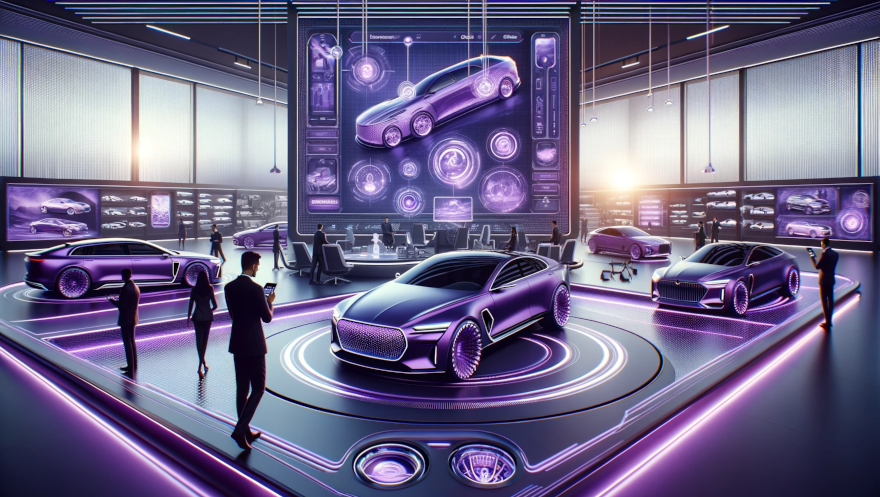
The advent of Artificial Intelligence (AI) is transforming various industries, and the automotive sector is at the forefront of this evolution. With advancements in technology, AI is reshaping the way cars are designed, produced, and operated. In this blog post, we will explore the various ramifications of AI in automotive design, providing insights for car enthusiasts and industry professionals alike.
The Rise of AI in Automotive Design
AI has significantly bolstered the automotive industry over the last decade. From inception to production, the utilization of machine learning algorithms and data analytics is streamlining processes and slashing costs. But how exactly is it affecting automotive design?
Speeding Up the Design Process
Traditionally, the design phase of vehicle development was a prolonged process, often taking several years. With AI integration, designers can leverage software that mimics human thought processes in generating creative solutions. AI algorithms analyze massive datasets, offering suggestions that help designers iterate faster and explore new possibilities.
Enhanced Creativity
AI doesn’t just speed things up; it enhances creativity. By analyzing existing designs and consumer preferences, AI can suggest innovative concepts. For example, generative design technology uses AI to create multiple design options based on parameters set by engineers and designers.
- Customization: AI can analyze user data to suggest customizable features, allowing for personalized vehicle designs.
- Collaborative Work: Designers from different geographical regions can contribute to the design process in real-time, utilizing AI to keep track of changes and suggestions.
AI’s Role in Simulation and Testing
Testing a vehicle prototype is an essential part of the design process. AI has revolutionized how these tests are conducted, offering simulations that are not only accurate but also capable of predicting future performance.
Virtual Prototyping
Before a vehicle is manufactured, it undergoes numerous tests. AI allows engineers to create virtual prototypes, enabling them to assess strengths and weaknesses without the need for tangible models. This results in:
- Cost-Effectiveness: Reduces the need for expensive materials and labor, saving significant costs.
- Time Efficiency: Speeds up the development cycle, allowing manufacturers to bring products to market faster.
Predictive Analytics
AI allows automotive designers to engage in predictive analytics for understanding vehicle performance. By assessing data collected from previous models and running simulations, manufacturers can forecast how new designs will perform under various conditions. This decreases the margin of error associated with traditional testing methods.
AI in Manufacturing and Production
As designers innovate with AI, the manufacturing process is also benefiting from this technology. AI streamlines production, enhancing quality and efficiency.
Automated Manufacturing Processes
Automation is not new in manufacturing, but AI takes it a step further. AI-driven machines are capable of making real-time adjustments to the production process. For example, if a machine detects a defect in materials or components, it can automatically recalibrate or notify human overseers.
- Precision: Enhanced accuracy in the manufacturing process ensures minimal waste and higher quality standards.
- Efficiency: AI can optimize production schedules, leading to reduced downtime and increased productivity.
Supply Chain Optimization
AI also aids in streamlining the automotive supply chain. By analyzing data such as consumer demand, market trends, and supplier capabilities, AI can help automakers make informed decisions regarding inventory management and sourcing materials. This leads to:
- Reduced Lead Times: Products can be delivered more efficiently to meet market demands.
- Cost Savings: Better decision-making reduces unnecessary expenditure.
Enhanced User Experience through AI
Beyond design and manufacturing, AI significantly enhances the user experience. Car manufacturers are leveraging AI to create a more engaging and intuitive driving experience.
Smart Features and Connectivity
Modern vehicles are becoming increasingly smart, with numerous features embedded with AI. Technologies such as voice recognition, driver assistance systems, and adaptive dashboards are designed to simplify vehicle interaction, making them more user-friendly.
Personalized Driving Experience
AI's capability to analyze user data allows manufacturers to offer a personalized experience. For example, AI can keep track of user preferences in seating, driving style, and even music choices. This level of personalization not only enhances user satisfaction but also fosters brand loyalty.
The Future of AI in Automotive Design
The impact of AI in automotive design will likely continue to grow in the coming years. With rapid technological advancements, we can expect more streamlined design processes, enhanced manufacturing capabilities, and even smarter vehicles.
Sustainability Initiatives
As automakers face increasing pressure to create more sustainable vehicles, AI can assist in optimizing environmental impact. AI can simulate eco-friendly designs or processes that reduce emissions and waste, playing a crucial role in the industry's shift towards sustainability.
Advancements in Autonomous Vehicles
Artificial intelligence is critical in the development of autonomous vehicles. With the ability to process real-time data from various sensors, AI enhances the safety and efficiency of self-driving cars, making them a reality rather than just a futuristic concept.
Challenges of AI in Automotive Design
While the applications of AI in automotive design are vast, some challenges remain. It is essential to address these issues to fully leverage AI's potential.
Data Privacy Concerns
AI operates on extensive data, which brings about concerns regarding data privacy. Collecting and using personal data must be handled with care to protect individuals' privacy while adhering to regulations.
Trust and Receptiveness to AI Technologies
There can be resistance from traditional designers and manufacturers who may be skeptical of AI's capabilities. It will take time to foster trust and receptiveness towards these advanced technologies.
The Road Ahead
As we delve deeper into the relationship between AI and automotive design, it's clear that this technology is shaping the industry's future. The transformation toward AI-driven designs will not only impact how cars are manufactured but will also redefine the overall driving experience for consumers. Embracing AI in automotive design offers a remarkable opportunity for manufacturers to innovate, optimize, and ultimately deliver vehicles that resonate with the needs and desires of modern drivers.
With the wheels of change in motion, staying informed and adapting to this technological wave will be imperative for success in the automotive industry. Whether you're a consumer, a designer, or part of the manufacturing process, understanding AI's role is crucial to navigating the future landscape of automotive design.
