
Overview
Augmented reality (AR) is revolutionizing car shopping by providing interactive and personalized experiences for buyers. It enhances visual representation of vehicles, offers real-time information, and enables virtual test drives, making the purchasing process more informed and engaging. As dealerships adopt AR technology, its widespread use is expected to grow, despite challenges like development costs and consumer awareness. Ultimately, AR is set to transform how consumers explore and purchase cars, leading to greater satisfaction and reduced buyer's remorse.
Frequently Asked Questions
1. What is augmented reality in car shopping?
2. How does augmented reality benefit car buyers?
3. What are some ways dealerships are using augmented reality?
4. What consumer attitudes exist toward augmented reality in car shopping?
5. What is the future potential of augmented reality in the automotive industry?
In recent years, the automotive industry has witnessed a serious transformation, particularly in how consumers shop for vehicles. As technology continues to evolve, augmented reality (AR) has emerged as a game-changer, offering buyers innovative ways to explore and evaluate their potential purchases. This blog post will delve into how augmented reality is changing car shopping, providing insights on its benefits, implications for the industry, and its future potential.
What is Augmented Reality?
First, let's clarify what augmented reality is. Unlike virtual reality, which immerses the user in a completely digital environment, augmented reality overlays digital information onto the real world. Think of AR as the perfect blend between digital and physical realms, enhancing what we see, hear, and feel in our surroundings.
AR can be experienced through a variety of devices, including smartphones, tablets, and specialized AR glasses. In the context of car shopping, this technology allows buyers to visualize vehicles in a dynamic way, paving the path for more informed purchasing decisions.
The Growth of AR in the Automotive Industry
As the automotive sector grows increasingly competitive, manufacturers and dealerships alike are turning to technology to gain an edge. Various studies have shown that over 60% of consumers are more likely to engage with a brand that uses AR in their marketing. This statistic alone emphasizes the necessity for embracing augmented reality during the car shopping experience.
Benefits of Augmented Reality for Car Buyers
Augmented reality offers numerous advantages for car shoppers. Here are some notable benefits that AR brings to the table:
- Enhanced Visual Experience: AR provides an interactive visual representation of vehicles. Potential buyers can see a 3D model of the car in their driveway, visualize different colors, or even change the trims to their liking without ever leaving their home.
- Real-Time Information: Through AR applications, users can get instant information about vehicle specifications, pricing details, and even maintenance tips by simply pointing their device at the car.
- Personalized Experience: With AR, car buyers can customize their vehicle by virtually adding features like new wheels or advanced technology packages, making the shopping experience more tailored to their needs.
- Improved Decision Making: By offering a more immersive look at vehicles, AR helps buyers make well-informed decisions, leading to greater satisfaction and less buyer's remorse.
Augmented Reality in Car Dealerships
As AR becomes a mainstream tool in the car shopping process, dealerships are incorporating this technology into their showrooms and sales approaches. Let's explore some ways AR is being utilized in car dealerships.
Interactive Showrooms
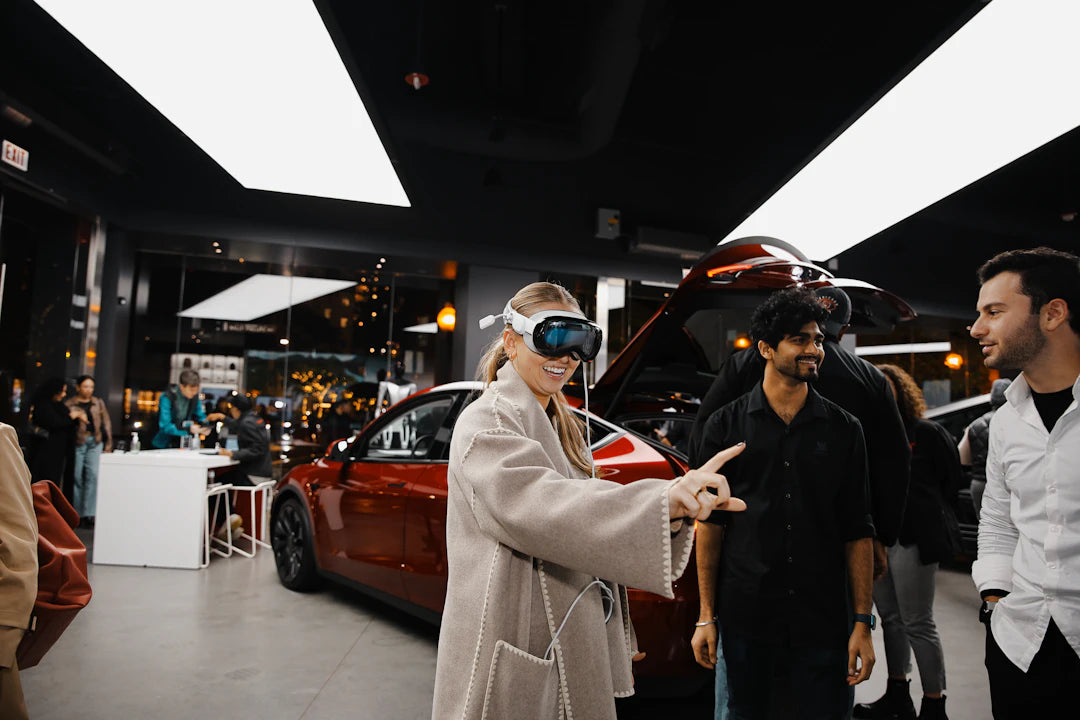
Many modern car dealerships are investing in augmented reality displays that allow potential buyers to interact with vehicles like never before. For instance, customers can utilize AR screens or apps that guide them through a 3D configuration of the car, showcasing different specifications, features, and colors.
Virtual Test Drives
One of the standout benefits of AR is the ability to conduct virtual test drives. By using specialized applications, buyers can experience the feel of driving a vehicle without being physically present. This means no more time-consuming trips to multiple dealerships; customers can evaluate several vehicles from the comfort of their homes.
Consumer Attitudes Toward AR in Car Shopping
Understanding consumer attitudes toward augmented reality is crucial for its adoption within car shopping. Here are some key insights:
- Increased Engagement: Car buyers are more likely to engage with brands that offer a blend of technology and their offerings. AR promotes a richer engagement level because customers can explore more about the vehicles they are interested in.
- A Tech-Savvy Demographic: Younger generations, particularly millennials and Gen Z, are more receptive to AR technology. They expect personalized experiences and innovative ways of interacting with brands, making AR a valuable tool to meet their expectations.
- Trust and Transparency: AR aids in building trust. When buyers can visualize features and information in real-time, it adds an extra layer of transparency that fosters consumer confidence.
The Future of Augmented Reality in Car Shopping
The future of augmented reality in car shopping looks bright, with endless possibilities ahead. Here are some predictions and expectations:
Integration with Other Technologies
As technology continues its rapid development, we can expect to see augmented reality increasingly integrated with other innovations such as artificial intelligence (AI) and the Internet of Things (IoT). This will further enhance the personalization and functionalities of AR applications for car buyers.
Widespread Adoption
As more dealerships and manufacturers recognize the important role of AR in the car shopping process, we will likely see widespread adoption across the industry. Soon, using augmented reality when selecting a vehicle may become a standard practice rather than an exception.
Overcoming Challenges in Implementing AR
While the benefits of augmented reality in car shopping are promising, challenges remain for its successful implementation. These include:
- Cost of Development: Creating high-quality AR applications can be expensive, deterring some dealerships from investing in this technology.
- Consumer Awareness: A segment of the population may not be aware of what augmented reality is or how to use it effectively. Increased marketing efforts may be necessary to educate consumers.
- Technology Accessibility: Not all customers have access to the latest devices or high-speed internet, which limits the reach of AR experiences.
Final Thoughts: The Road Ahead with Augmented Reality
As augmented reality reshapes the car shopping landscape, both consumers and dealerships stand to benefit from its transformative abilities. The combination of enhanced engagement, personalized experiences, and improved decision-making tools offers a fresh perspective on how vehicles are presented and sold.
For car buyers, embracing AR can lead to a more informed and enjoyable shopping experience, while dealerships recognize the potential it holds to attract and retain customers in a competitive market. The autonomous future of car shopping is here, and augmented reality is revving the engines for what promises to be a thrilling ride!