
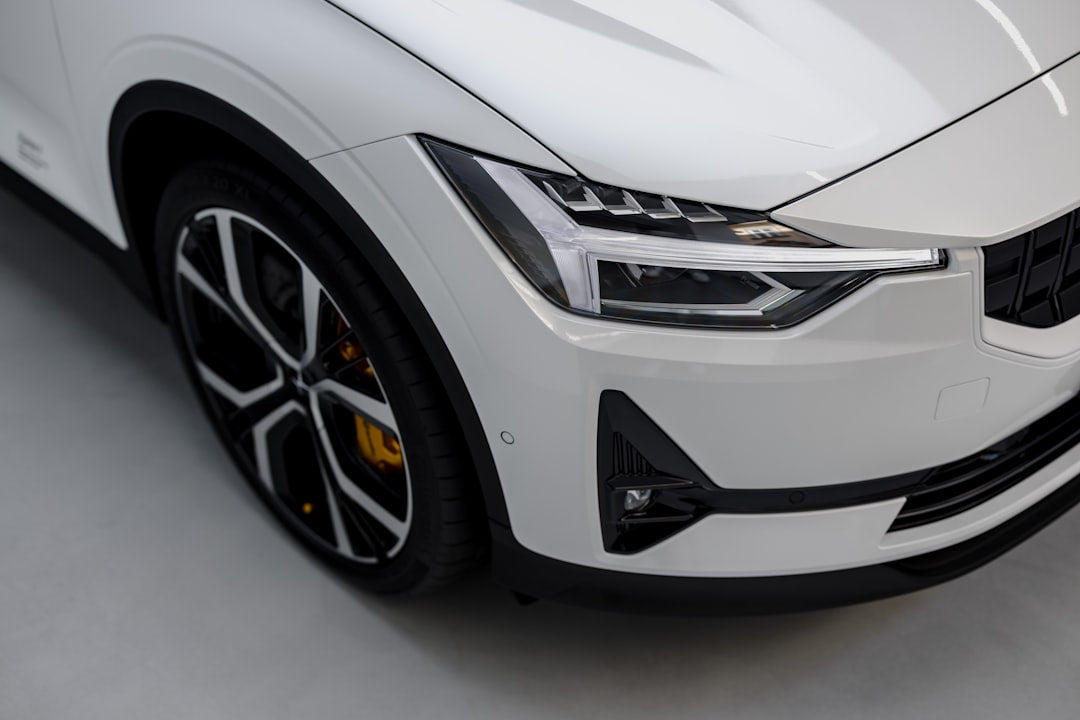
Driving has become safer than ever thanks to the continuous advancements in safety technology for cars. With each passing year, new innovations are introduced to the market, aiming to enhance the protection of drivers, passengers, and pedestrians alike. In this blog post, we will explore some of the cutting-edge safety features that are changing the game and setting new standards for automotive safety.
The Rise of Autonomous Emergency Braking (AEB)
One of the most significant breakthroughs in car safety technology is Autonomous Emergency Braking (AEB). This system utilizes sensors to detect potential collisions and automatically applies the brakes if the driver fails to react in time. AEB has been proven to significantly reduce the number of rear-end collisions, making it a crucial feature in modern vehicles.
Adaptive Cruise Control: Maintaining Safe Distances
Adaptive Cruise Control is another innovative technology that is designed to maintain a safe following distance between your car and the vehicle ahead. By automatically adjusting the speed of your vehicle, this system not only improves safety but also enhances driving comfort during long journeys.
Enhanced Visibility with Rearview Cameras
Rearview cameras have become standard in most new vehicles, providing drivers with an improved field of vision when reversing. These cameras help drivers spot obstacles that may not be visible in their mirrors, reducing the risk of accidents, especially in busy parking lots and tight spaces.
Blind Spot Monitoring: Minimizing the Risk of Collisions
Blind Spot Monitoring systems use sensors to detect vehicles in your blind spots and alert you through visual or audible signals. By giving drivers timely warnings, this technology helps minimize the risk of accidental collisions when changing lanes, ultimately making driving safer for everyone on the road.
Revolutionizing Nighttime Driving with Adaptive Headlights
Adaptive headlights are designed to pivot and adjust their intensity based on the surrounding conditions, providing better visibility during nighttime driving. By illuminating the road ahead more effectively, these headlights enhance safety by improving the driver's ability to see and react to potential hazards.
Protecting Pedestrians with Automatic Emergency Braking (AEB)
Automatic Emergency Braking systems are not restricted to preventing collisions with other vehicles. Some advanced systems now include pedestrian detection capabilities, automatically applying the brakes if a pedestrian suddenly crosses your vehicle's path. This feature is a game-changer in urban environments where pedestrian safety is a top priority.
Staying in Lane: Lane Departure Warning Systems
Lane Departure Warning systems alert drivers when they unintentionally drift out of their lane without using a turn signal. By preventing lane departure accidents, this technology reduces the risk of head-on collisions and sideswipes, offering an added layer of safety for drivers and passengers.
Stress-Free Parking with Automated Parking Assistance
Automated Parking Assistance features take the stress out of parking in tight spaces by guiding drivers with visual and auditory cues. Whether parallel parking or maneuvering into a tricky spot, this technology simplifies the parking process and reduces the likelihood of bumps and scrapes.
Real-Time Vehicle Monitoring with Tire Pressure Monitoring Systems
Tire Pressure Monitoring Systems (TPMS) continuously monitor the air pressure in your vehicle's tires and alert you if there is a significant drop in pressure. By ensuring that your tires are properly inflated, TPMS not only enhances fuel efficiency but also prevents blowouts and improves overall vehicle safety.
The Evolution of Vehicle Stability Control
Vehicle Stability Control (VSC) systems have greatly improved over the years, helping drivers maintain control of their vehicles during sudden maneuvers or slippery road conditions. By selectively applying brakes to individual wheels, VSC prevents skidding and loss of traction, reducing the risk of accidents due to oversteering or understeering.
Embracing the Future: Self-Driving Cars and Safety
The future of automotive safety lies in the development of self-driving cars that rely on a combination of sensors, cameras, and artificial intelligence to navigate roads autonomously. While fully autonomous vehicles are still undergoing testing, their potential to eliminate human error and significantly reduce accidents holds promise for a safer driving experience for all.
Conclusion: Driving Towards a Safer Tomorrow
As technology continues to evolve, so does the landscape of car safety. From collision avoidance systems to automated parking assistance, the advancements in safety technology for cars are reshaping the way we drive and ensuring a brighter, safer future on the roads. With these innovations in place, drivers can have greater peace of mind knowing that their vehicles are equipped to protect them and others, making every journey a safer and more secure experience.