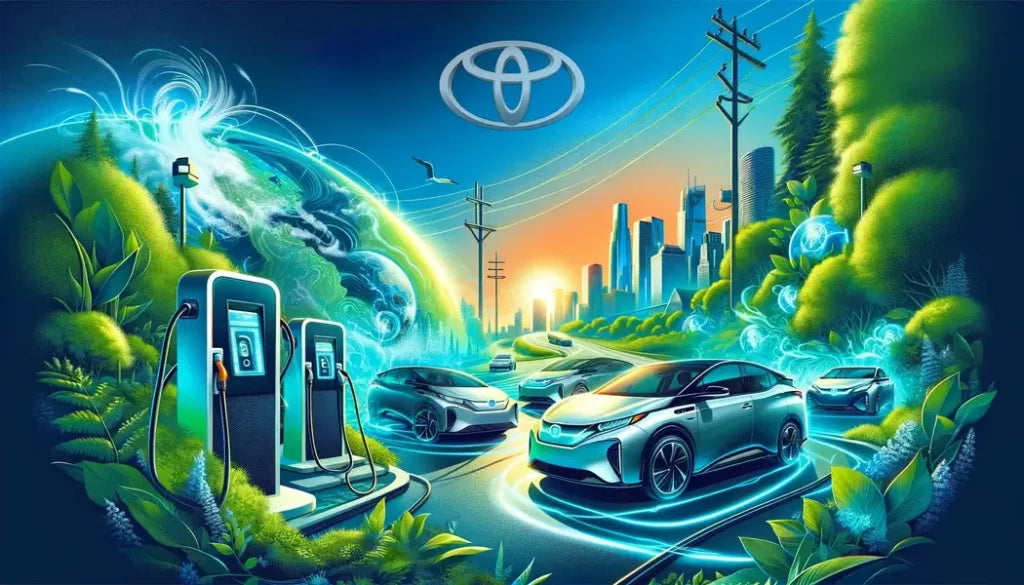
As our world increasingly shifts towards sustainable solutions, electric vehicles (EVs) have become a focal point in our quest for a greener future. Central to the advancement of electric cars is energy storage technology, which directly influences the efficiency, range, and overall functionality of these vehicles. In this article, we’ll delve deep into how revolutionary changes in energy storage are reshaping the electric vehicle market and what this means for car enthusiasts and eco-conscious consumers alike.
Understanding the Importance of Energy Storage in Electric Cars
Energy storage plays a pivotal role in the performance of electric vehicles. At its core, energy storage allows these cars to harness and utilize electrical power effectively. The technology behind it significantly impacts aspects such as:
- Range: The distance a vehicle can travel on a single charge.
- Charging Speed: The time it takes to recharge the battery.
- Weight: The efficiency of battery weight vs. energy capacity.
- Cost: The overall expense involved in the production and maintenance of electric vehicles.
The Evolution of Battery Technology
Battery technology has come a long way since the inception of electric vehicles. Here are some key milestones in its evolution:
- Lead-Acid Batteries: Once the standard for early electric vehicles, these batteries are heavy and inefficient.
- Nickel-Metal Hydride (NiMH): These offered better performance and are more environmentally friendly compared to lead-acid batteries, used prominently in hybrids.
- Lithium-Ion Batteries: Today’s most common technology, providing a remarkable balance between energy density, weight, and lifespan.
Each advancement has propelled electric cars closer to achieving mainstream acceptance, yet there is still more to explore and develop.
Innovative Energy Storage Solutions on the Horizon
As we look to the future, several innovative technologies are emerging that promise to revolutionize energy storage in electric vehicles:
Solid-State Batteries
Solid-state batteries use a solid electrolyte instead of a liquid one, resulting in a number of benefits:
- Increased Energy Density: More energy can be stored in a smaller package, leading to extended driving ranges.
- Enhanced Safety: Solid electrolytes are less flammable compared to liquid alternatives, reducing risks associated with battery fires.
- Longevity: These batteries demonstrate superior charge-discharge cycles, improving overall lifespan.
Graphene Batteries
Graphene is heralded as a revolutionary material with vast potential in battery technology. Some advantages include:
- Incredible Conductivity: Graphene allows for faster charging and discharging.
- Lightweight: The use of graphene can reduce overall battery weight without compromising performance.
- Environmentally Friendly: Graphene can be produced using sustainable methods and materials.
Metal-Air Batteries
Utilizing oxygen from the air as a cathode, metal-air batteries hold immense potential. Their benefits include:
- High Energy Density: They could outperform current lithium-ion batteries significantly.
- Cost-Effectiveness: Materials like aluminum are more abundant and cheaper than lithium.
The Economic Impact of Advancements
While the technological advancements in energy storage are exciting for consumers and environmental enthusiasts, they also hold significant economic implications:
- Job Creation: As companies invest in research and development for new battery technologies, new jobs will be created in manufacturing, engineering, and sales.
- Lower Prices: With advancements and economies of scale, the cost of electric vehicles is expected to decline, making them accessible to a broader audience.
- Market Growth: The transition to electric vehicles could stimulate growth across various sectors, including renewable energy, battery recycling, and infrastructure development.
The Role of Infrastructure in Energy Storage Evolution
Advancements in battery technology will also need to coincide with supporting infrastructure to maximize their benefits:
Fast-Charging Networks
To complement advanced energy storage solutions, establishing a robust fast-charging network is essential. This would include:
- More Charging Stations: Predominantly located in urban areas, highways, and key travel routes.
- Partnerships with Businesses: Collaborating with commercial properties to provide charging stations for customers.
- Incentives for Home Charging Installation: Encouraging homeowners to install efficient charging systems.
Battery Recycling Programs
The introduction of innovative batteries emphasizes the need for effective recycling programs to manage their life cycle. This would involve:
- Creating Awareness: Educating consumers about the importance of battery recycling.
- Streamlining Collection: Setting up convenient collection points for used batteries.
- Investing in Technology: Developing advanced recycling techniques that recover valuable materials.
Environmental Considerations and Sustainability
The impact of energy storage innovations extends beyond mere convenience and performance—it's intrinsically linked to environmental sustainability. Some key points include:
Reducing Carbon Footprint
Electric cars, when powered by renewable energy, have the potential to cut down greenhouse gas emissions significantly. New energy storage technologies can further enhance this by:
- Enabling Energy Independence: By harnessing solar and wind energy for charging, EVs can contribute to a lower dependency on fossil fuels.
- Supporting the Grid: Advanced batteries can store surplus renewable energy, making it usable during peak demand times.
Lifecycle Impact
Innovative battery technologies prioritize sustainability, addressing the entire lifecycle of energy storage solutions:
- Material Sourcing: Sustainable sourcing reduces environmental degradation.
- Manufacturing Processes: Innovations aim to minimize the ecological footprint during production.
- End-of-Life Management: Recycling facilities ensure that materials are reintroduced into the production cycle.
The Future is Bright: What Lies Ahead for Electric Cars
With the continuous march of technology, the automotive landscape is set for a monumental shift. The energy storage innovations discussed above are not just cutting-edge—they embody the future of transportation:
Enabled by Technology
The marriage of innovative battery solutions with advancing EV technology will lead to smarter, safer, and more efficient vehicles. With more artificial intelligence and data analytics, electric cars will learn to optimize their energy consumption based on driving patterns, routes, and even charging station availability.
Consumer Empowerment
Informed consumers are better equipped to make sustainable choices. As awareness and understanding of new energy storage technologies grow, customers will elevate market expectations, compelling manufacturers to prioritize quality, performance, and eco-friendliness.
Final Thoughts: Embracing the New Era of Electric Vehicles
The journey toward revolutionizing energy storage in electric cars reflects a broader transition toward sustainable living. As we witness the emergence of groundbreaking technologies, partnerships, and infrastructure developments, the possibilities for efficient electric vehicles are indeed endless. Embracing these changes not only transforms our transportation landscape but also fosters a healthier planet for future generations. Join the movement toward sustainable transportation and be part of the electric revolution!
