
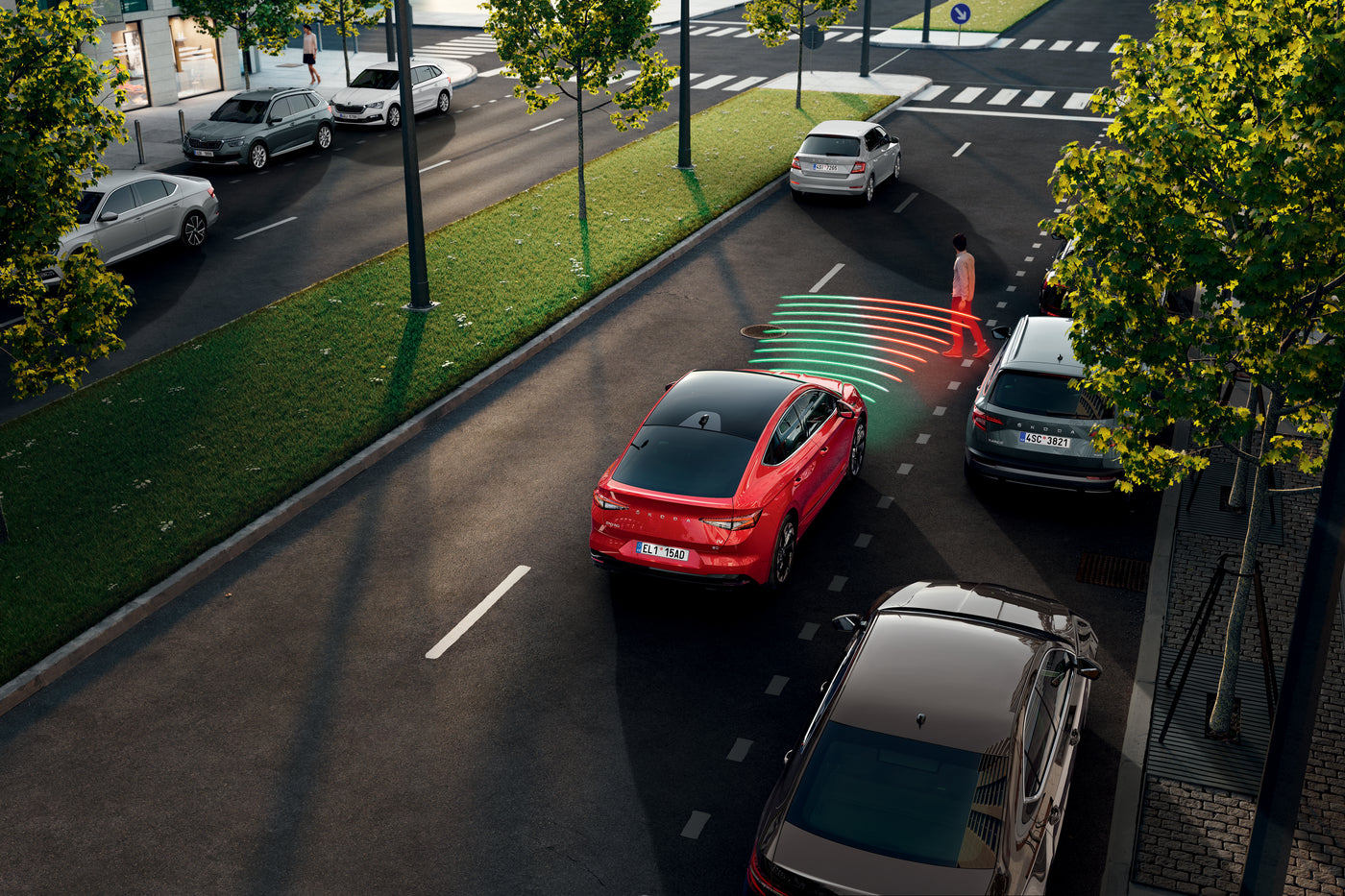
When it comes to car safety, we've come a long way since the early days of automobiles. From seat belts and airbags to anti-lock braking systems and traction control, technology has played a vital role in making our roads safer. But the advancements in car safety technologies don't stop there. In recent years, we've witnessed a wave of innovative solutions designed to protect both drivers and pedestrians. In this article, we'll explore some of the latest breakthroughs in car safety technologies that are changing the game.
1. Autonomous Emergency Braking (AEB)
Imagine a car that can sense an imminent collision and automatically apply the brakes to prevent or mitigate the impact. That's exactly what Autonomous Emergency Braking (AEB) does. This groundbreaking technology uses sensors, cameras, and radar to detect potential hazards on the road and assist the driver in avoiding accidents.
AEB not only detects vehicles but also pedestrians and cyclists, making it a crucial safety feature for urban environments. In fact, studies have shown that AEB systems can reduce rear-end collisions by up to 50%, potentially saving countless lives.
2. Lane Departure Warning (LDW) and Lane Keeping Assist (LKA)
We've all experienced that momentary lapse in attention when our car starts drifting out of its lane. Lane Departure Warning (LDW) and Lane Keeping Assist (LKA) technologies are here to help combat this issue.
LDW uses cameras to monitor lane markings on the road and alerts the driver if the vehicle starts to drift unintentionally. LKA takes it a step further by actively steering the car back into its lane if the driver fails to respond to the warning. These technologies not only prevent accidents caused by lane departures but also help combat driver fatigue, a common cause of accidents.
3. Blind Spot Detection (BSD) and Rear Cross Traffic Alert (RCTA)
Blind spots have always been a challenge for drivers, but now technology has stepped in to address this issue. Blind Spot Detection (BSD) systems use sensors to monitor the areas around the vehicle that are not visible in the side mirrors. If another vehicle is detected in the blind spot, the system alerts the driver through visual or audio warnings.
Rear Cross Traffic Alert (RCTA) works in a similar way but focuses on the rear of the vehicle. It helps drivers when reversing out of parking spaces by detecting approaching vehicles or pedestrians and providing warnings to prevent collisions.
4. Adaptive Cruise Control (ACC)
Long drives on the highway can be tiring, especially when you constantly have to adjust your speed to maintain a safe distance from the vehicle in front of you. That's where Adaptive Cruise Control (ACC) comes in.
ACC uses radar or laser sensors to detect the distance and speed of the vehicle ahead. It then automatically adjusts your car's speed to maintain a safe following distance. This not only reduces driver fatigue but also helps prevent rear-end collisions by ensuring a consistent and safe distance from the vehicle ahead.
5. Intelligent Speed Adaptation (ISA)
Speeding is a major cause of accidents on our roads. Intelligent Speed Adaptation (ISA) is a technology designed to help drivers stay within speed limits and prevent them from exceeding safe speeds.
ISA uses GPS data and speed limit databases to provide real-time information about the current speed limit. It can either provide a warning to the driver or actively intervene by adjusting the vehicle's speed if necessary. By promoting adherence to speed limits, ISA helps reduce the risk of accidents caused by excessive speeding.
6. Driver Monitoring Systems (DMS)
Driver fatigue and distraction are significant contributors to accidents. Driver Monitoring Systems (DMS) use cameras and sensors to monitor the driver's behavior and detect signs of fatigue or distraction. If the system detects any irregularities, it can issue warnings to alert the driver or even take control of the vehicle to prevent accidents.
Some advanced DMS even use facial recognition technology to monitor the driver's attention level and ensure they are focused on the road. These systems are a game-changer when it comes to preventing accidents caused by driver inattention.
Stay Safe on the Road with Cutting-Edge Car Safety Technologies
With each passing year, car safety technologies continue to evolve and make our roads safer. From AEB and LDW to BSD and ACC, these advancements are revolutionizing the way we drive and reducing the risk of accidents.
As technology continues to advance, we can expect even more innovative safety features to emerge. So, whether you're in the market for a new car or looking to upgrade your current one, make sure to consider these cutting-edge safety technologies. After all, staying safe on the road should always be a top priority!