
Overview
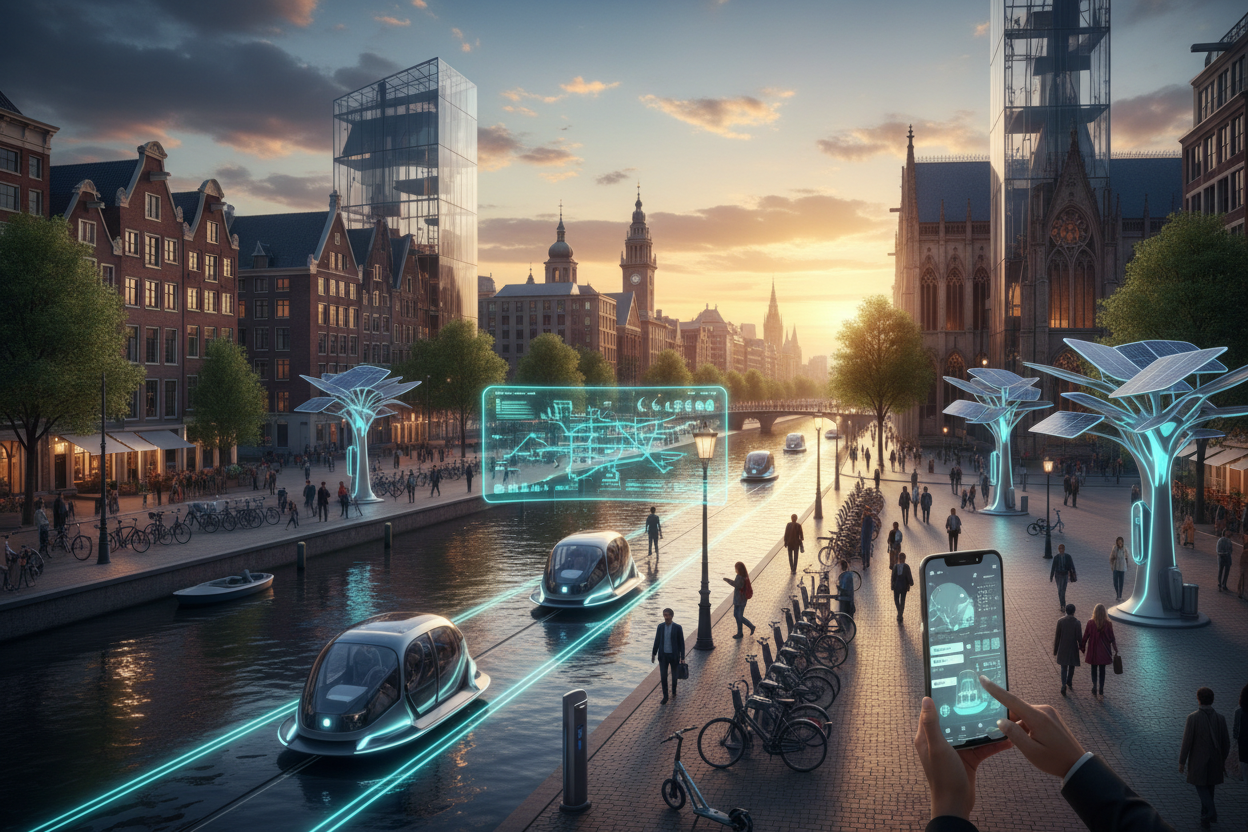
Ride-sharing services like Uber and Lyft are revolutionizing urban transportation by leveraging technology to provide convenient, cost-effective, and flexible travel options. They help reduce traffic congestion and carbon emissions while enhancing accessibility for all. However, challenges such as regulatory hurdles and driver rights persist. The future of urban mobility looks promising with potential advancements in electric and autonomous vehicles, and greater integration with public transportation systems.
Frequently Asked Questions
1. What are ride-sharing services?
2. What benefits do ride-sharing services offer for urban mobility?
3. What challenges do ride-sharing services face?
4. How are ride-sharing services transforming traditional transportation models?
5. What is the future of ride-sharing and urban mobility?
The advent of ride-sharing services has significantly changed the landscape of urban mobility. With platforms like Uber and Lyft becoming household names, cities around the globe are witnessing a transformation in how people navigate their surroundings. This article delves deep into how ride-sharing services are reshaping urban transportation and what it means for the future of city life.
The Emergence of Ride-Sharing Services
Ride-sharing services began to emerge prominently in the early 2010s, offering a new solution to the age-old problem of urban congestion and limited transport options. By leveraging mobile technology and a growing network of drivers, these platforms allowed users to hail a ride with just a few taps on their smartphones. But how did this concept gain so much traction?
Technological Advancements Fueling Growth
The rapid advancement of technology is a primary factor contributing to the popularity of ride-sharing. GPS tracking, mobile apps, and secure payment systems have made the experience seamless for both drivers and passengers. Moreover, the integration of artificial intelligence helps optimize routes, which can reduce waiting times and improve ride quality.
Changing Consumer Preferences
Today's consumers prioritize convenience and flexibility. They are increasingly looking for alternatives to traditional taxi services and personal vehicle ownership. Ride-sharing offers a hassle-free option for urban dwellers, enabling them to travel without the burdens of parking, maintenance, and insurance.
Benefits of Ride-Sharing for Urban Mobility
Ride-sharing services come with a plethora of benefits that contribute to more efficient urban mobility. Below are some significant advantages:
- Reduced Traffic Congestion: By providing an alternative to personal vehicles, ride-sharing helps lessen the number of cars on the road, contributing to less traffic congestion.
- Environmental Impact: Shared rides can lower carbon emissions since fewer cars are in use. Additionally, many services are now offering electric vehicles as part of their fleets.
- Cost-Effective Transportation: Ride-sharing often proves to be more affordable than owning a car, especially in urban areas with high parking fees and insurance costs.
- Enhanced Accessibility: For those who may not own a vehicle, ride-sharing services provide a safe and reliable mode of transport, enhancing mobility for everyone, including the elderly and those with disabilities.
Challenges Facing Ride-Sharing Services
While the benefits are numerous, ride-sharing services are not without their challenges. It’s important to understand the complexities involved in their operation.
Regulatory Hurdles
Governments worldwide are still trying to catch up with the rapid growth of ride-sharing. Regulations regarding permits, insurance, and driver background checks vary significantly, creating inconsistencies in service quality. Some cities have even considered restrictions to regulate the number of ride-sharing vehicles, aiming to manage traffic congestion.
Driver Rights and Compensation
Concerns over driver compensation and rights have been prevalent since the inception of ride-sharing. Many drivers argue for better pay and job security, pushing companies to reevaluate their payment structures. The gig economy philosophy means drivers are classified as independent contractors, complicating their rights when it comes to benefits and protections.
Impact on Traditional Transportation Models
The rise of ride-sharing has undeniably impacted traditional transportation models across the board. But how exactly are these services reshaping existing frameworks?
Complementing Public Transportation
Ride-sharing does not aim to replace public transportation; rather, it serves as a complementary service. Many urban planners and transport authorities are starting to integrate ride-sharing solutions into public transport schedules, offering first-mile and last-mile connectivity. This integration can result in a more efficient urban transport network, making it easier for people to reach their final destinations.
Transforming Taxi Services
Many traditional taxi services have had to adapt in light of the competition posed by ride-sharing platforms. Some have developed their own apps and features to retain market share. The introduction of ride-sharing has sparked a broader conversation about how these traditional services can evolve and compete in an increasingly digital landscape.
The Future of Urban Mobility
As cities become more congested, the importance of efficient urban mobility solutions will only grow. Here are some potential future trends in ride-sharing and urban transport:
- Integration of Autonomous Vehicles: Self-driving technology is still in development, but it holds the potential to disrupt the ride-sharing market entirely. Companies are investing heavily in research and development to make this a reality.
- Electrification of Fleets: With increased focus on sustainability, many ride-sharing companies are transitioning to electric and hybrid vehicles, reducing their environmental impact.
- Personal Mobility Solutions: As urban spaces become more pedestrian-friendly, ride-sharing could evolve into a more holistic solution that incorporates micro-mobility options like e-scooters and bicycles.
Ridesharing and Urban Challenges
While ride-sharing presents impressive benefits, it is also crucial to recognize the challenges it brings to urban environments. The influx of vehicles on the road can lead to increased statistics in traffic accidents and the potential for heightened congestion in already busy areas. It's vital for cities to develop integrated approaches that address these challenges while reaping the benefits of ride-sharing for improved urban mobility.
How to Succeed in the Ride-Sharing Era
For businesses and individuals looking to thrive in this ride-sharing era, the following strategies can be beneficial:
- Stay Updated on Regulations: Keeping informed about regulatory changes can help anticipate shifts in the market and adapt accordingly.
- Enhance User Experience: Businesses in urban mobility should focus on creating seamless user experiences that prioritize convenience and customer satisfaction.
- Collaborate with Local Governments: Building partnerships with local authorities can foster a more unified approach to urban transport challenges, benefiting the entire community.
Looking Ahead: The Future is Bright
Ride-sharing services have undeniably transformed urban mobility, bringing innovative solutions to age-old problems. As technology continues to evolve and user preferences shift, it’s evident that these platforms will play a crucial role in the future of transportation. The potential for electric vehicles, autonomous technology, and improved integration with public transit systems paints an optimistic picture of future urban mobility.
In a world increasingly focused on sustainability, accessibility, and efficiency, the journey doesn’t end here. By remaining agile and responsive to the needs of the urban populace, ride-sharing services can continue to enhance the way we move through our cities, ultimately fostering smarter and more livable environments. Buckle up, because the future of urban mobility is just getting started!