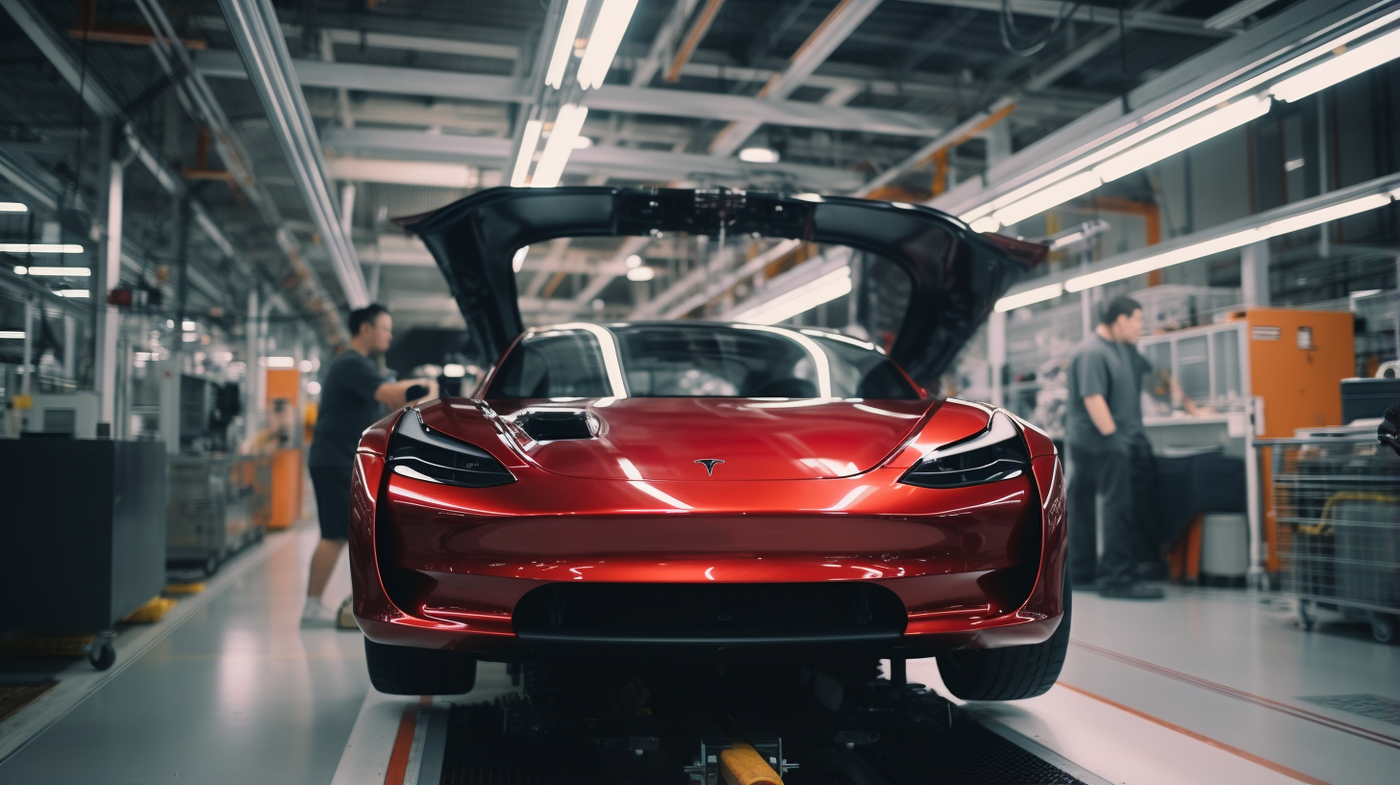
In the ever-evolving automotive industry, the integration of new technologies has become paramount. One of the most revolutionary advancements reshaping the landscape of car manufacturing is 3D printing. As an innovative approach, 3D printing, also known as additive manufacturing, offers a myriad of advantages that streamline production processes and enhance customization. In this blog post, we'll explore the intricate relationship between 3D printing and car parts production, the benefits, challenges, and its future potential.
The Basics of 3D Printing in the Automotive Sector
3D printing in car parts production involves creating three-dimensional objects by layering materials based on a digital model. This additive process contrasts sharply with traditional manufacturing methods, which typically subtract material from a larger block. The automotive industry has embraced this technology, finding it particularly useful for prototyping, manufacturing functional parts, and optimizing the supply chain.
The Process of 3D Printing Car Parts
The process of 3D printing is fascinating and involves several steps:
- Design: A digital blueprint of the car part is created using computer-aided design (CAD) software.
- Conversion: The CAD file is converted into a format suitable for 3D printing, typically STL or OBJ.
- Slicing: The file is sliced into thin horizontal layers by software, which allows the 3D printer to understand how to build each layer.
- Printing: The printer builds the part layer by layer, typically using materials like thermoplastics or metals.
- Post-processing: Once printed, the part may require cleaning, curing, and finishing to meet performance standards.
Advantages of 3D Printing in Car Parts Production
There are numerous advantages to integrating 3D printing into car parts production, driving its popularity in the automotive industry:
1. Increased Customization
Traditional manufacturing is often limited in its ability to customize designs. However, 3D printing allows for higher levels of customization tailored to specific customer needs or preferences. Whether it’s a unique dashboard design or parts that enhance functionality, the possibilities are nearly limitless.
2. Reduced Production Time
With traditional production methods, the time required to set up molds and machinery can lead to lengthy production periods. 3D printing dramatically cuts down the time from concept to production. This speed is particularly beneficial for prototyping and testing new designs without the extensive lead times of conventional methods.
3. Cost-Effective Manufacturing
While initial investments in 3D printing technology can be high, the overall cost savings in the long run are significant. Since 3D printing reduces the need for complex tooling and allows for on-demand production, companies can lower inventory costs and waste.
4. Lightweight Parts Production
In automotive production, weight reduction is essential for enhancing fuel efficiency and performance. 3D printing allows for the creation of lighter parts that do not compromise strength. Techniques like lattice structures can be employed to minimize weight while maintaining integrity.
5. Enhanced Innovation and Design Flexibility
3D printing provides engineers and designers the freedom to experiment without the limitations placed by traditional manufacturing methods. This flexibility fosters innovation and leads to the potential development of novel parts that can improve vehicle performance.
The Challenges of Implementing 3D Printing in Car Parts Production
Despite the numerous benefits of 3D printing, there are still challenges that automotive manufacturers must navigate:
1. Material Limitations
While the range of materials available for 3D printing is expanding, not all materials may be suitable for every type of vehicle part. Finding the right material that balances strength, durability, and weight can be a complex challenge.
2. Regulatory Compliance
Automotive industries are subject to strict regulations and standards. Ensuring that 3D printed parts meet these regulatory requirements can be an added hurdle. Manufacturers must rigorously test their printed parts to ensure they are safe and reliable.
3. Technical Expertise Required
3D printing requires a skilled workforce equipped with the knowledge to design, operate, and maintain 3D printers. The lack of technical expertise can hinder the integration of this technology for some companies.
4. Production Speed
While 3D printing can speed up the prototyping process, mass production of car parts through 3D printing may not yet rival traditional manufacturing methods for speed and cost. Companies must evaluate the scale of production they wish to achieve against the capabilities of their 3D printing technology.
Current Applications of 3D Printing in the Automotive Industry
Many automotive companies are already reaping the rewards of incorporating 3D printing into their manufacturing processes. Let’s examine some real-world applications:
1. Prototyping
Many manufacturers utilize 3D printing for rapid prototyping, enabling them to create and test car parts quickly. This allows teams to identify design flaws early in the process, ultimately saving time and resources.
2. Spare Parts Production
The availability of spare parts can be a logistical nightmare. 3D printing enables companies to produce on-demand spare parts, eliminating the need for extensive warehouses stocked with hard-to-find components.
3. Customization for Racing and Luxury Cars
Customization is especially prevalent in high-performance automobiles and luxury vehicles. 3D printing allows manufacturers to produce bespoke parts tailored to individual customer specifications, enhancing personalization.
4. Complex Geometries and Innovative Designs
3D printing empowers designers to create parts with intricate geometries that would be nearly impossible to achieve with traditional manufacturing processes. This capability leads to innovative designs that enhance vehicle performance.
The Future of 3D Printing in Car Parts Production
As technology advances, the role of 3D printing in car parts production is poised to expand even further. Here are a few trends that we can expect to see:
1. Expanded Material Options
Research and development efforts are ongoing to create new materials suited for 3D printing in the automotive sector. From metals to advanced thermoplastics, the future of materials will drive further adoption of 3D techniques.
2. Integration with Automation and AI
The integration of automation and artificial intelligence could streamline the manufacturing process further. By utilizing AI algorithms, manufacturers can optimize printing parameters for enhancing quality and ensuring efficiency.
3. Sustainability Efforts
As the automotive industry seeks to become more sustainable, 3D printing can play a crucial role. By reducing waste and enabling on-demand production, 3D printing helps to minimize the environmental impact of manufacturing.
4. Increased Collaboration between Manufacturers
Manufacturers, suppliers, and research institutions are increasingly collaborating to realize the full potential of 3D printing. Sharing knowledge and resources will drive innovation and improve the state of automotive manufacturing.
Why Now is the Perfect Time to Embrace 3D Printing
The automotive industry stands on the brink of a manufacturing revolution, and 3D printing is at the forefront of this change. With its ability to enhance customization, reduce costs, and improve manufacturing efficiency, it is proving to be an invaluable tool. As more automotive businesses recognize the advantages of this technology, those who adopt it sooner rather than later will be better positioned in an increasingly competitive market.
In the race towards future-proofing automotive production, embracing 3D printing could be your winning strategy. Are you ready to turn your gears towards innovation?
