Overview
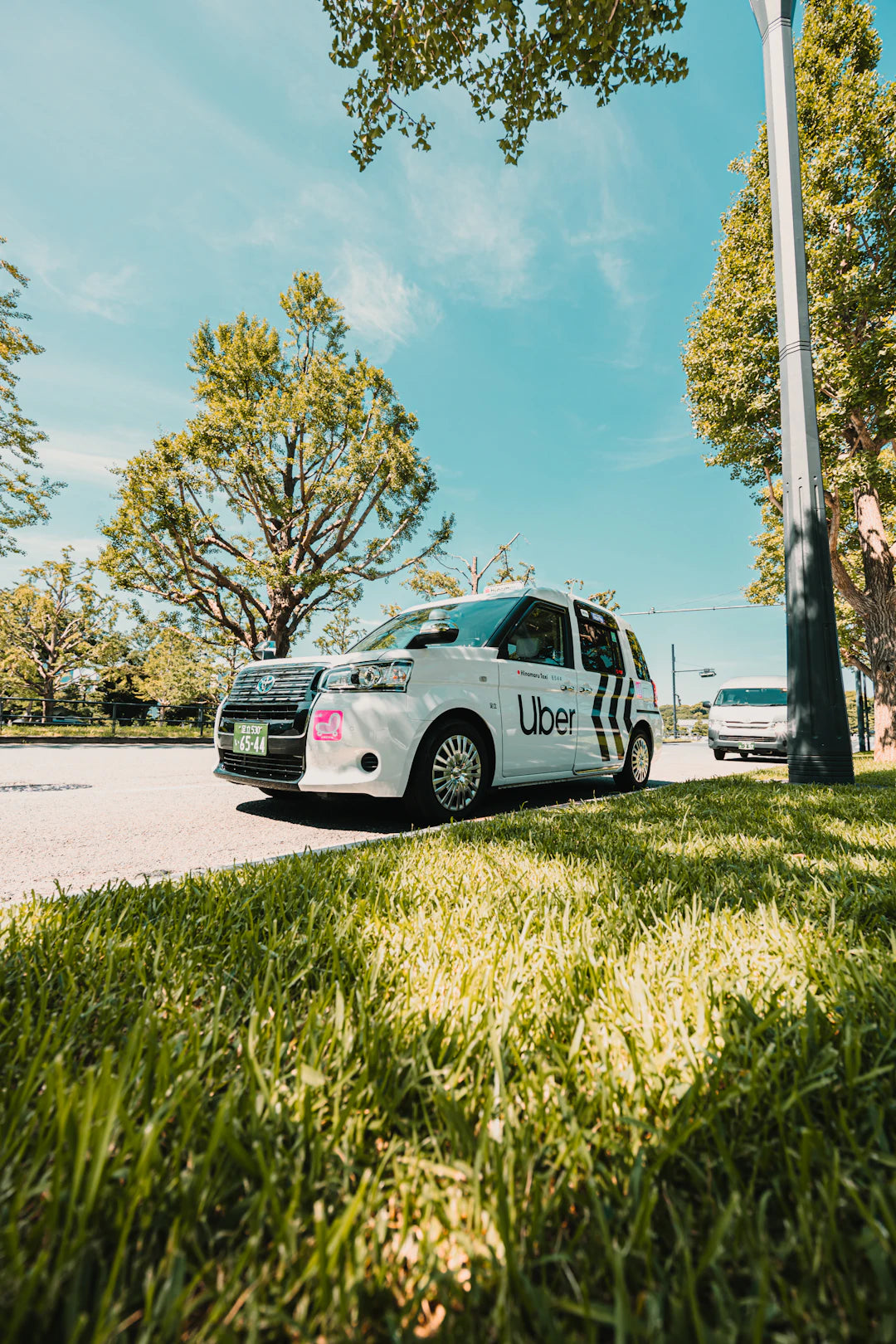
Ride-sharing services like Uber and Lyft are reshaping transportation, leading to decreased car ownership, especially among younger generations. Key factors driving this change include convenience, cost-effectiveness, and environmental awareness. As urban areas adapt to this trend, ride-sharing may reduce the need for parking and improve public transport integration. However, challenges like traffic congestion and safety concerns persist. The future of ride-sharing looks promising with potential advancements such as autonomous vehicles and subscription models, further transforming mobility and attitudes towards car ownership.
Frequently Asked Questions
1. What are the main factors driving the growth of ride-sharing services?
2. How is ride-sharing affecting attitudes towards car ownership?
3. What are the financial burdens associated with car ownership?
4. What impact does ride-sharing have on urban planning?
5. What are the potential downsides of increased ride-sharing?
In recent years, ride-sharing services like Uber, Lyft, and others have transformed the way we think about transportation. These platforms have significantly influenced car ownership habits among individuals and families alike. If you're curious about the implications of ride-sharing on car ownership, you're in the right place! In this article, we will dive into the impact of ride-sharing on car ownership and explore the factors driving this change. Get ready to explore why more people are choosing ride-sharing over traditional car ownership.
The Rise of Ride-Sharing
Ride-sharing has become a household term. Thanks to smartphone apps, getting a ride within minutes has become the norm in many urban areas. The convenience, affordability, and accessibility of ride-sharing have attracted millions of users worldwide. According to studies, the use of ride-sharing services has increased dramatically over the past decade, changing urban transport dynamics.
Understanding the Drivers of Ride-Sharing Growth
Several key factors contribute to the growth of ride-sharing services, including:
- Technological Advancements: The rise of smartphones and GPS technology has made it easier than ever for users to connect with drivers.
- Cost-Effectiveness: For many, ride-sharing offers a more budget-friendly alternative to owning a car, especially in cities where parking and maintenance costs can be prohibitive.
- Environmental Awareness: As awareness of sustainability grows, many users prefer ride-sharing apps that promote carpooling, significantly reducing their carbon footprint.
Changing Attitudes Towards Car Ownership
As ride-sharing services continue to gain traction, consumer attitudes towards car ownership are evolving. One notable trend is the increasing prevalence of car-free households, particularly among younger populations. Many millennials and Gen Z individuals prioritize experiences over possessions, leading them to forgo traditional car ownership. This shift is not just a passing phase but a profound change in how people view transportation.
The Cost of Car Ownership
The financial burden of car ownership cannot be overstated. Here are some common expenses associated with owning a car:
- Purchase Price: The initial cost of buying a vehicle can be substantial, often requiring loans or significant savings.
- Insurance: Car insurance premiums can add a serious financial strain, especially for younger drivers.
- Maintenance and Repairs: Regular servicing, tire replacement, and unexpected repairs can quickly add up, leading to further financial hassle.
- Fuel Costs: Rising fuel prices can heavily impact your budget, especially with long commutes.
- Depreciation: Cars lose value over time, making a significant financial investment feel like a poor choice.
In contrast, ride-sharing allows for a pay-per-use model, leading many to see it as a more economical choice. Users can choose to ride when needed and skip costs associated with ownership.
The Impact on Urban Planning and Infrastructure
The rise of ride-sharing is having a ripple effect on urban planning and infrastructure. Cities are beginning to adapt to this new mode of transportation, with several trends emerging:
- Reduced Parking Needs: As more individuals opt for ride-sharing, cities can rethink parking space requirements, potentially converting them into green spaces or pedestrian paths.
- Improved Public Transport Integration: With ride-sharing options available, cities are considering ways to integrate these services with existing public transport systems for better connectivity.
- Traffic Flow Considerations: Cities are collecting data on ride-sharing patterns to optimize traffic flow and reduce congestion.
The Risks of Ride-Sharing
While ride-sharing has its advantages, it’s essential to consider the potential downsides. Increased ride-sharing can lead to problems such as:
- Traffic Congestion: In areas with high ride-share usage, increased vehicle numbers can lead to more congestion.
- Safety Concerns: The safety of both riders and drivers continues to be a hot topic, as incidents of misconduct have raised alarms within the community.
- Regulatory Issues: Local governments are working on regulations to govern ride-sharing services, which can impact availability and pricing.
Ride-Sharing and Environmental Impact
Another major benefit of embracing ride-sharing is its potential positive effect on the environment. Using ride-sharing services helps lessen individual carbon footprints, primarily through:
- Carpooling: Many ride-sharing platforms offer carpooling options, allowing multiple riders to share a trip and reduce the number of vehicles on the road.
- Reduced Emissions: By decreasing the number of vehicles, ride-sharing helps improve air quality, especially in urban areas.
- Promoting Electric Vehicles: With the rise of electric cars in the ride-sharing sector, environmental impact is further mitigated.
Shift in Business Models
The growth of ride-sharing has also affected traditional taxi services, pushing them to adapt their business models. Many taxi companies are now incorporating app-based platforms to compete with ride-sharing giants. This shift allows taxi businesses to stay relevant in a continually evolving marketplace.
Community Perspectives on Ride-Sharing
There is a varied perception of ride-sharing services across different communities. While many embrace this as a convenient transportation solution, others have raised concerns regarding:
- Job Security: This transition might threaten taxi drivers' livelihoods, making it a contentious issue.
- Quality of Service: As competition increases, ensuring a consistent level of service from multiple drivers can be challenging.
Survey Insights
Surveys conducted on public perceptions of ride-sharing show diverse opinions:
- Approximately 60% of respondents express satisfaction with their ride-sharing experiences, indicating the efficacy of service.
- However, about 30% express concerns over safety, particularly when traveling alone at night.
- More than 50% of users state they prefer ride-sharing because it’s environmentally friendly.
Embracing the Future
The future of ride-sharing seems bright and full of potential. As technology continues to evolve, we can expect enhancements to the ride-sharing experience, including:
- Autonomous Vehicles: The integration of self-driving technology could revolutionize the ride-sharing landscape, altering how we perceive car ownership.
- Smart Partnerships: Collaborations between ride-sharing platforms and public transit can create seamless travel experiences, making rides even easier.
- Subscription Models: As the industry matures, we may see the emergence of subscription-based models that offer the flexibility of car ownership without the long-term commitment.
Transforming Mobility in Real-Time
As ride-sharing continues to reshape urban transportation, it will influence not only car ownership but how we think about mobility entirely. Individuals are becoming more cognizant of their travel habits and the impacts of those choices on the environment, fueling a broader movement towards sustainable transportation.
In a world increasingly defined by convenience and flexibility, it seems many individuals are opting to forge new paths towards commuting. Instead of being tethered to one vehicle and the myriad of responsibilities that come with it, people are embracing the liberation that ride-sharing can offer. As we embrace this evolution, the question remains: will car ownership become a relic of the past as ride-sharing solidifies its grip on our urban landscapes?
