
Frequently Asked Questions
1. What are autonomous vehicles?
2. What are the levels of driving automation for autonomous vehicles?
3. What safety considerations are associated with autonomous vehicles?
4. How might autonomous vehicles impact the job market?
5. What role does consumer acceptance play in the adoption of autonomous vehicles?
The automotive industry is undergoing a seismic shift, thanks to groundbreaking technological advancements. Autonomous vehicles (AVs) are no longer just a futuristic concept; they are fast becoming a reality. As we witness this transformation, it’s crucial to understand what autonomous vehicles entail, their implications for society, and what we can expect in the coming years. In this article, we delve into the rise of autonomous vehicles and the exciting journey ahead.
Understanding Autonomous Vehicles
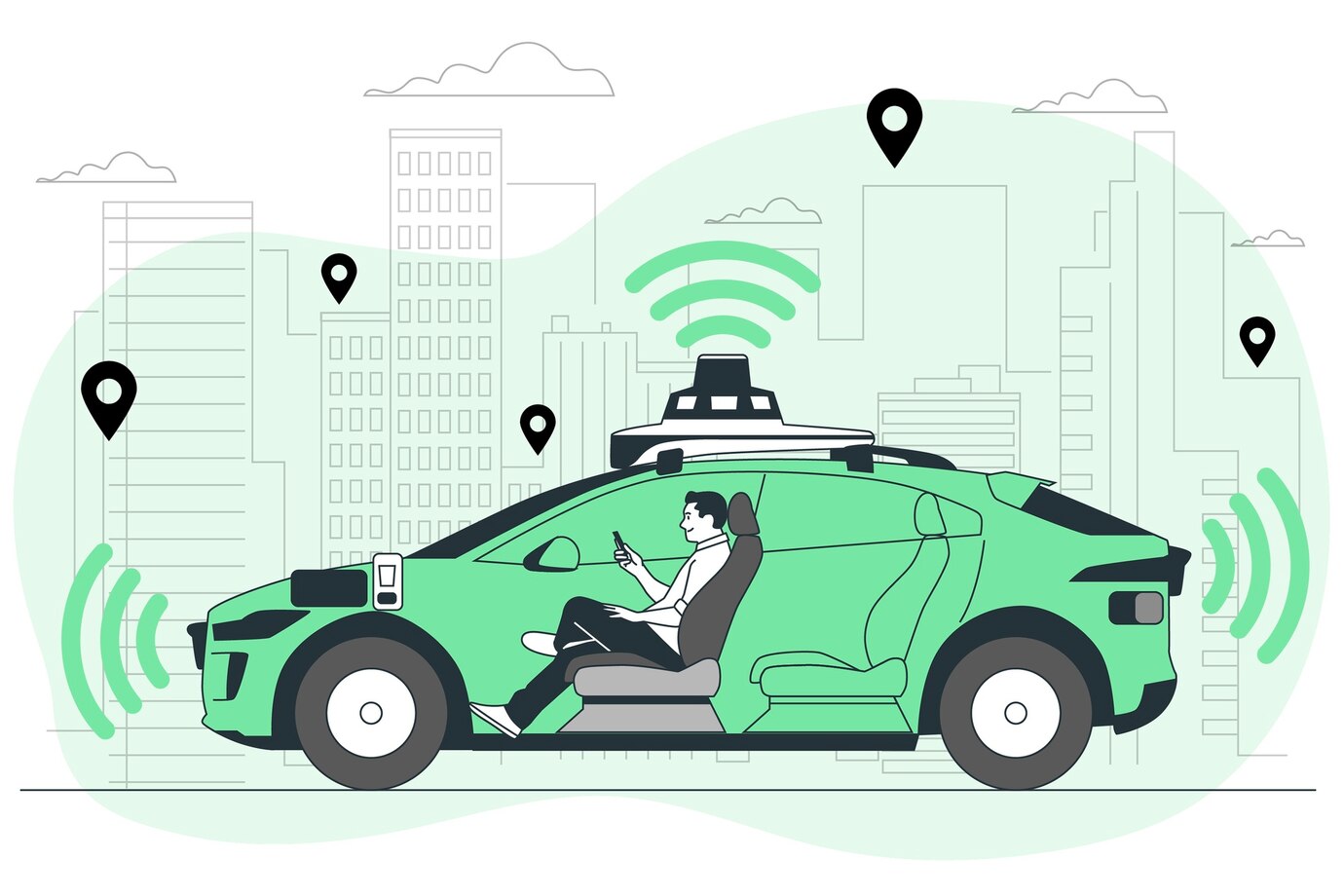
At the heart of this revolution are autonomous vehicles, often referred to as self-driving cars. These vehicles use a mix of sensors, cameras, artificial intelligence (AI), and machine learning to navigate streets without human intervention. The levels of autonomy are classified into six categories, ranging from fully manual driving to fully autonomous, where the vehicle can operate independently in all conditions.
Categories of Autonomous Vehicles
- Level 0: No driving automation.
- Level 1: Driver assistance; some control of steering or acceleration.
- Level 2: Partial automation; vehicle can control both steering and acceleration/deceleration.
- Level 3: Conditional automation; vehicle can handle all tasks in certain conditions.
- Level 4: High automation; vehicle can operate without human intervention but may not cover all conditions.
- Level 5: Full automation; vehicle can operate under all conditions without any human input.
Current State of Autonomous Vehicle Technology
As of 2024, several major automotive companies and tech firms are testing and refining autonomous vehicle technology. Companies like Tesla, Waymo, and Uber have made significant strides, pushing the boundaries of what is possible. The focus today is not only on perfecting the technology but also on establishing reliable safety measures.
Safety Considerations
The safety of autonomous vehicles is a significant concern. With the potential for reduced accidents caused by human error—a leading factor in traffic incidents—AVs could save lives. However, the technology must undergo rigorous testing to ensure it can handle complex driving situations. Manufacturers are prioritizing safety protocols and regulatory compliance to build public trust.
The Impact of Autonomous Vehicles on Society
The introduction of autonomous vehicles will undoubtedly reshape our society in various ways. Here are a few key areas of impact:
Transportation Efficiency
Autonomous vehicles promise to enhance transportation efficiency. By optimizing routes and reducing traffic congestion, these vehicles could lead to significant time savings for commuters, thereby improving overall quality of life. Furthermore, they could streamline logistics in industries reliant on transportation.
Environmental Impact
With the potential for reduced emissions through optimized driving patterns, autonomous vehicles could contribute to a greener planet. Additionally, as more people opt for shared autonomous transport, the environmental footprint could significantly decrease, helping combat climate change.
The Economic Dimension
The rise of autonomous vehicles will also have profound economic implications. Consider the following:
Job Displacement and Creation
The transition to self-driving vehicles may lead to job displacement, particularly among professional drivers in industries like trucking and ride-sharing. However, it will also create new job opportunities in tech sectors, including software development, vehicle maintenance, and infrastructure management.
Innovation in Related Industries
As the demand for autonomous vehicles increases, related industries such as data analysis, cybersecurity, and even urban planning will also face transformation. Companies specializing in software, hardware, and infrastructure will thrive, leading to innovation and growth across sectors.
The Future of Transportation
Looking ahead, the integration of autonomous vehicles into our daily lives opens up a world of possibilities. Here are some expectations for the future:
Smart Cities
Innovation in transportation will spark the development of smart cities—urban areas that utilize connected technology to improve public services and quality of life. Autonomous vehicles will play a pivotal role in these ecosystems, working alongside intelligent traffic systems to enhance urban mobility.
Regulatory Frameworks
As autonomous vehicles gain traction, governments will need to establish more comprehensive regulatory frameworks to address safety, liability, and insurance issues. Constructing appropriate legislation will be vital to fostering innovation while ensuring public safety.
Consumer Acceptance and Trust
For autonomous vehicles to achieve mainstream adoption, consumer acceptance is critical. Education and transparency about the technology, along with robust safety records, will aid in building trust among potential users. Marketing efforts that focus on the benefits—like safety, convenience, and efficiency—can significantly influence public perceptions.
The Role of Data Privacy
With self-driving cars relying heavily on data collection, issues surrounding data privacy and security will be paramount. Consumers will need assurance that their personal information is safe, and regulations will need to enforce stringent data protection measures.
Innovation in Vehicle Design
As we move closer to realizing fully autonomous vehicles, we can expect innovative changes in their design. Unlike conventional vehicles, self-driving cars may prioritize comfort and utility over traditional aesthetics.
Redefining Interiors
The inner design of autonomous vehicles will shift, as passengers will no longer focus solely on driving. Spacious, comfortable interiors equipped with entertainment and workstations could redefine the travel experience.
Connectivity and Integration
Future autonomous vehicles will likely be connected to a network of other vehicles, traffic controls, and digital roadmaps. This integration will facilitate real-time communication, resulting in safer and more efficient travel. The potential for features like automatic updates and smart navigation systems further elevates the driving experience.
The Global Perspective
The evolution of autonomous vehicles is not confined to any single nation—it is a global phenomenon. Different countries are at varying stages of development, influenced by regulations, investment levels, and technological advancements.
Leading Nations
Countries like the USA, Germany, and China are spearheading autonomous vehicle development. Their investments in research, infrastructure, and policy frameworks create conducive environments for innovation. In contrast, other nations face challenges in adoption, requiring tailored strategies to harness the benefits of this technology.
Your Role in the Autonomous Vehicle Revolution
As the rise of autonomous vehicles unfolds, individuals and businesses alike will play a role in shaping this new landscape. Whether through early adoption, advocacy, or creating solutions that complement this technology, everyone has a part to play. Engagement with local communities, businesses, and government can propel the integration of AVs into everyday life.
Education and Preparedness
Stay informed about the advancements in autonomous vehicles and their potential impacts. Communities, companies, and individuals should aim to prepare for changes—whether they involve restructuring business models, adapting skills, or adjusting to new urban layouts.
Forging a Path to the Future
The rise of autonomous vehicles marks a pivotal moment in history—one that promises to reshape the fabric of transportation and urban living. As we navigate this complex terrain, embracing change and fostering innovation will be crucial. With collaboration among stakeholders, advancements in technology, and strong public engagement, we can look forward to a future where autonomous vehicles enhance mobility, safety, and convenience for all. Buckle up; the journey ahead is just beginning!