
Overview
Car sharing is transforming mobility by allowing users to rent vehicles short-term, reducing ownership burdens. Key drivers include environmental concerns, economic incentives, and urban migration. Benefits include convenience, flexibility, and community connections, while challenges involve rural availability and insurance issues. The future looks promising with trends like integration with public transport and the rise of electric and autonomous vehicles. Car sharing promotes a sustainable, cost-effective alternative to traditional car ownership.
Frequently Asked Questions
1. What is car sharing?
2. What are the types of car sharing?
3. What are the benefits of car sharing?
4. What challenges does car sharing face?
5. What is the future of car sharing?
In recent years, car sharing has emerged as a disruptive force in the automotive industry, reshaping the way consumers view mobility. With a growing focus on sustainability, urban living, and economical choices, more individuals are turning to car sharing as a viable alternative to traditional car ownership. This blog post will delve into the factors driving this trend, the benefits of car sharing, and what it means for the future of transportation.
Understanding Car Sharing
Car sharing refers to a model in which vehicles are shared among multiple users, allowing individuals to rent cars for short periods without the burdens of ownership. This flexible form of mobility can take several forms, including:
- Peer-to-Peer Car Sharing: Individuals can rent their personal vehicles to others.
- Station-Based Car Sharing: Vehicles are located at designated points and are typically accessed via a subscription or membership model.
- Free-Floating Car Sharing: Users can find, unlock, and park vehicles in public spaces throughout a designated area.
The Drivers Behind the Shift
The shift towards car sharing stems from several key trends and factors affecting consumer behavior. Understanding these motives is crucial to grasping the full scope of this phenomenon.
1. Environmental Concerns
With climate change at the forefront of discussions worldwide, many consumers are seeking ways to reduce their carbon footprint. Car sharing promotes greater efficiency, as fewer vehicles are needed when one car can be used by multiple users. This collective approach not only lessens emissions but also contributes to less traffic congestion in urban areas.
2. Economic Incentives
Owning a car can be a significant financial burden when considering insurance, maintenance, fuel, and parking costs. In contrast, car sharing presents an economically savvy alternative. Its pay-per-use model allows users to access vehicles as needed without incurring the ongoing expenses associated with ownership.
3. Urban Migration
As more people move into urban environments, the demand for smart, convenient transportation solutions has increased. Car sharing fits perfectly in these densely populated areas, where parking is often limited and public transport is readily available. Users in cities are more inclined to rely on shared vehicles for occasional needs rather than maintaining a personal car.
The Benefits of Car Sharing
Aside from appealing to consumer behaviors and needs, car sharing offers numerous benefits that solidify its position as a preferred transportation option.
1. Convenience
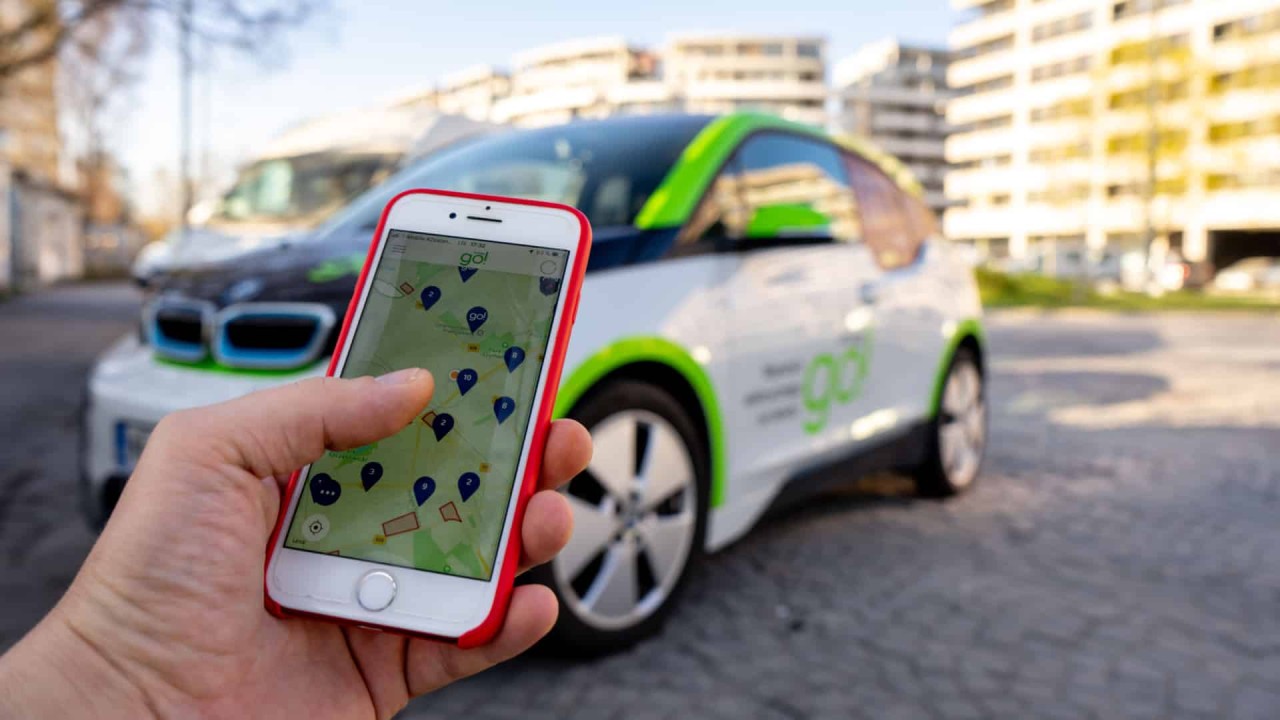
Car sharing apps provide instant access to vehicles at the user's fingertips. With real-time availability tracking, users can quickly locate nearby cars and reserve them with just a few taps on their smartphones. This seamless experience enhances urban mobility and eliminates the hassle of traditional vehicle rental processes.
2. Flexibility
Users can choose from a variety of vehicles depending on their needs, whether it's a compact car for a quick trip or a larger vehicle for family outings. This versatility means that consumers have the freedom to adapt their transportation methods to fit different scenarios without the commitment of ownership.
3. Reduced Maintenance Hassles
One of the many perks of car sharing is that users are relieved of maintenance responsibilities. The service provider typically handles repairs, maintenance, and inspections, ensuring the vehicle is in optimal condition. This eliminates the stress associated with regular vehicle upkeep.
4. Fostering Community and Connections
Car sharing promotes a sense of community by enabling individuals to connect over shared transportation needs. Many platforms encourage users to leave feedback and ratings, fostering a network where trust and shared responsibility thrive.
Challenges to Consider
While car sharing presents a plethora of advantages, it is essential to address some of the challenges that may come with adopting this model.
1. Limited Availability in Rural Areas
Car sharing services are predominantly urban-focused, which means those in rural areas may not have access to the same level of service. As the trend grows, expanding car sharing networks to suburban and rural locations could prove beneficial.
2. Insurance and Liability Issues
Insurance considerations become more complex in shared environments. Understanding liability in case of an accident can be daunting for users and providers alike. As the industry matures, streamlined policies and clear communication will be vital.
3. Fleet Management
For service providers, maintaining a fleet of vehicles can be challenging. Providers must ensure these cars are regularly serviced, cleaned, and available for users. Optimizing fleet operations is critical to enhancing the overall customer experience.
The Future of Car Sharing
The future looks bright for car sharing, with continued growth expected as technology advances and societal attitudes shift further towards shared mobility solutions. Here are some emerging trends that could shape the landscape:
1. Integration with Public Transport
As cities continue to focus on creating comprehensive transportation networks, integrating car sharing with public transit will become increasingly essential. Coordinated systems can improve accessibility and reduce reliance on personal vehicles.
2. Electric and Autonomous Vehicles
Car sharing is poised to benefit from the rise of electric and autonomous vehicles. With electric cars becoming more mainstream, shared electric vehicles can further reduce emissions and operating costs. Autonomous vehicles could also enhance the convenience and efficiency of car sharing services, allowing users to summon vehicles on-demand.
3. Greater Focus on User Experience
As competition within this industry grows, providing a superior user experience will become paramount. Companies will increasingly innovate, employing advanced technologies for easier access, safer transactions, and standout customer support.
A New Era of Mobility
As we move forward, car sharing is likely to revolutionize the way we think about mobility, ownership, and transportation. By understanding the motivations behind this shift and continuously improving the services offered, car sharing can meet the needs of the modern consumer effectively. This paradigm shift not only signals a move away from traditional car ownership but also promotes sustainability, cost savings, and enhanced community connectivity.
Whether you're considering signing up for a car-sharing service or simply curious about this trending model, it's clear that car sharing is paving the way for a transformative movement in transportation—one car at a time. Get ready to join the journey towards a more sustainable future!