Overview
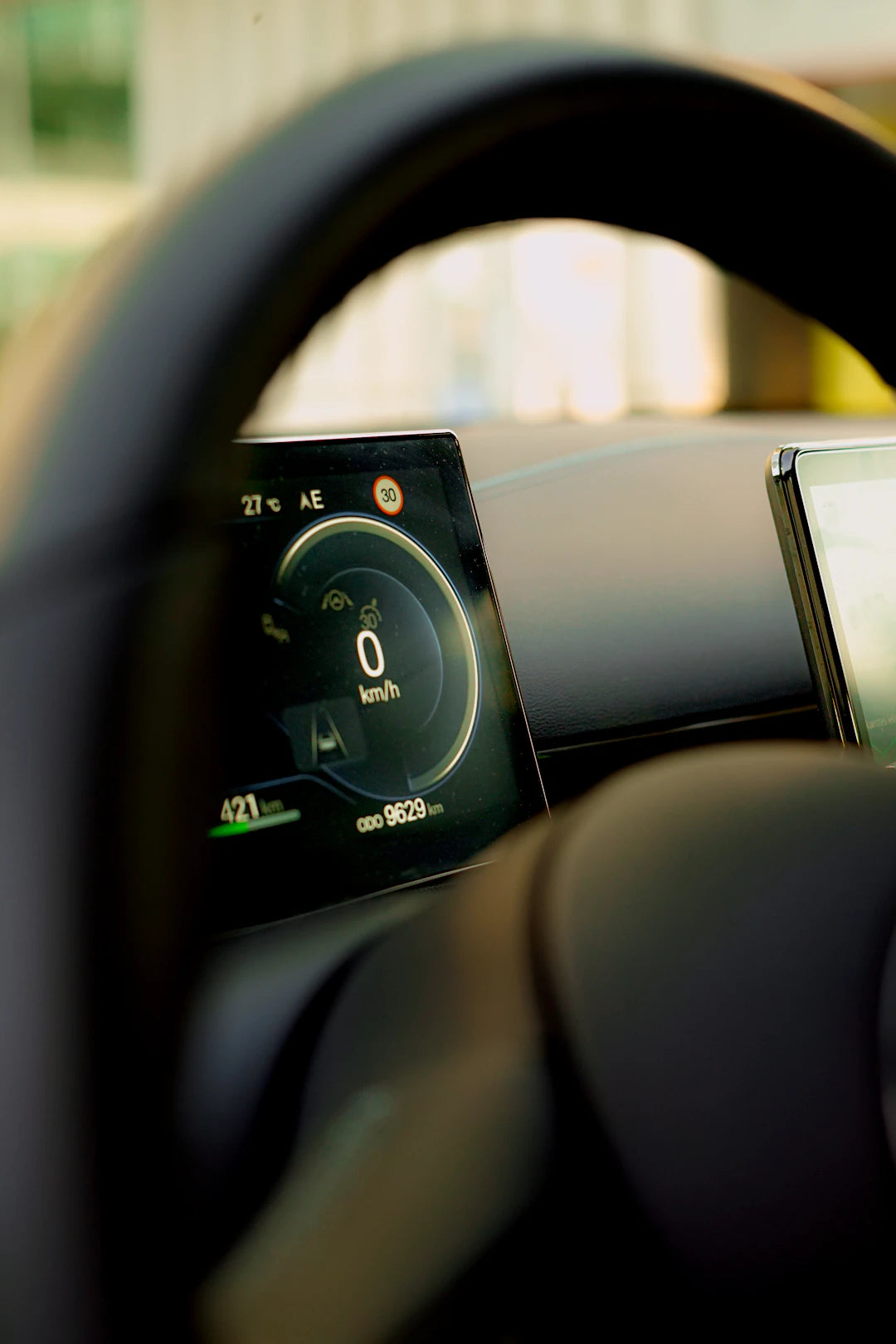
The automobile industry is undergoing a transformation with the rise of connected cars, which integrate advanced technology for improved safety, efficiency, and user experience. Key features include data sharing, emergency services, over-the-air updates, and smart navigation. Innovations like 5G, AI, and enhanced sensors drive this trend, but challenges such as cybersecurity risks and regulatory hurdles remain. The future promises greater integration with smart cities, sustainability efforts, and advancements in autonomous driving, making it essential for consumers and investors to stay informed about these developments.
Frequently Asked Questions
1. What are connected cars?
2. What key features do connected cars offer?
3. What challenges do connected cars face?
4. How are connected cars expected to impact future transportation?
5. Why is understanding connected cars important for consumers?
In recent years, the automobile industry has been undergoing a significant transformation. One term that has increasingly dominated discussions among automakers, tech companies, and consumers alike is "connected cars." The integration of advanced technology into vehicles is not only reshaping how we drive but also revolutionizing the entire automotive landscape. In this article, we will explore the rise of connected cars, their current innovations, challenges, and what the future may hold for this exciting technological evolution.
What Are Connected Cars?
Connected cars are vehicles equipped with internet access and the ability to communicate with other systems and devices. This connectivity encompasses a wide range of features, from GPS navigation and entertainment systems to advanced driver-assistance systems (ADAS) and vehicle-to-everything (V2X) communication. The objective is to enhance the driving experience while improving safety, efficiency, and convenience.
Key Features of Connected Cars
- Data Sharing: Connected cars gather and share data related to driving conditions, vehicle health, and even traffic patterns.
- Emergency Services: Many connected cars can automatically contact emergency services in case of an accident, significantly reducing response times.
- Over-the-Air Updates: Software updates can be delivered directly to the car, ensuring that vehicles remain up-to-date with the latest features and improvements.
- Smart Navigation: Use of real-time data for navigation, allowing drivers to avoid traffic jams and find optimal routes.
- Entertainment and Connectivity: Access to apps, internet streaming, and hands-free calls, enhancing the user experience while driving.
- Remote Monitoring: Car owners can monitor their vehicles remotely, checking fuel levels, tire pressure, and more via a smartphone app.
The Growing Popularity of Connected Cars
The interest in connected cars has surged due to various factors. Over the last decade, consumers have demonstrated an appetite for advanced technology and seamless connectivity in their daily lives. As smartphones have evolved into multifunctional devices, users have come to expect the same from their vehicles.
Additionally, concerns over road safety and the environmental impact of vehicles have led to increased demand for smarter, more efficient cars. Connected cars are not just a trend; they represent a significant shift in how consumers perceive transportation. This has led to major investments and innovations within the automotive sector.
Key Innovations Driving the Rise of Connected Cars
Several technological advancements have propelled the rise of connected cars. Here are a few notable innovations:
- 5G Technology: The rollout of 5G networks is predicted to enhance real-time communication between connected vehicles and infrastructure, enabling more advanced applications.
- Artificial Intelligence (AI): AI plays a crucial role in processing data collected from various sensors and systems, contributing to improved decision-making by vehicles on the roads.
- Cloud Computing: By utilizing cloud technology, connected cars can efficiently manage massive amounts of data, facilitating seamless updates and functions.
- Enhanced Sensors: Advanced sensors, including Lidar, radar, and cameras, are increasingly implemented, enabling smarter automation and improved safety.
Challenges Facing Connected Cars
Despite their numerous benefits, connected cars face several challenges that must be addressed before they can become the norm on our roads.
Cybersecurity Risks
With the rise of connectivity comes the inevitable risk of cyberattacks. As vehicles become more integrated with the internet, they can become targets for hackers. Protecting personal data and ensuring the vehicle's operational integrity is critical.
Standardization Issues
The connected car ecosystem involves various stakeholders, including automakers, technology companies, and regulatory bodies. The lack of industry standards can lead to compatibility issues and hinder the widespread adoption of connected car technologies.
Regulatory Challenges
Governments worldwide are still determining how to regulate connected cars effectively. Questions surrounding liability in case of accidents involving automated and connected vehicles remain unsettled, creating uncertainty for manufacturers and consumers alike.
The Future of Connected Cars
As we look ahead to the future of connected cars, several trends and possibilities are beginning to emerge. Consumers' lifestyles are transforming, and the automotive industry must adapt accordingly to stay relevant.
Increased Integration with Smart Cities
The concept of smart cities — urban areas that leverage technology to improve infrastructure and quality of life — is becoming increasingly relevant. Connected cars can play a pivotal role in smart city initiatives, sharing data with city infrastructure to stream traffic flows, optimize public transportation, and reduce congestion.
Emphasis on Sustainability
As the global community grapples with climate change, connected cars are poised to lead the charge towards sustainability. By improving fuel efficiency and reducing emissions through connected technologies, the automotive industry can help pave the way for more eco-friendly transportation solutions.
Advancements in Autonomous Driving
The journey towards fully autonomous vehicles is closely intertwined with the development of connected cars. Enhanced connectivity will be necessary to ensure the safety and efficiency of self-driving cars, particularly as they communicate with each other and the surrounding infrastructure. The continued innovation in this space will be essential for unlocking the full potential of autonomous driving.
Why You Should Care About Connected Cars
Whether you are a car enthusiast, a potential buyer, or simply a curious observer, understanding the rise of connected cars is crucial. As we transition further into an era dominated by technology, staying informed about these advancements can influence your decision-making process and prepare you for a future dominated by smart vehicles.
The Investment Perspective
If you’re considering investing in the automotive sector or making a purchase decision, recognizing the trends fueled by connected cars can give you a competitive advantage. Markets are often driven by consumer demand for tech-savvy, eco-friendly vehicles. Keeping an eye on connected car technologies can reveal valuable insights into which brands are positioning themselves to lead in this evolving landscape.
A New Driving Experience
For everyday consumers, the rise of connected cars promises a revolutionized driving experience. Imagine vehicles capable of communicating with traffic lights to optimize stop-and-go times, or your car sending alerts for regular maintenance based on driving patterns and wear-and-tear data. The potential for convenience and safety enhancements is limitless.
Final Thoughts on the Connected Car Revolution
The rise of connected cars represents a monumental shift in the automotive industry. With rapid advancements in technology, the integration of smart features, and increasing consumer demand, it is clear that connected cars are here to stay. Challenges like cybersecurity and regulatory issues remain, but the potential for a more efficient, safer driving future is undeniable. As we stand on the brink of this new era, staying informed will empower consumers and businesses alike to navigate the highway of innovation and embrace the possibilities ahead.
