
Overview
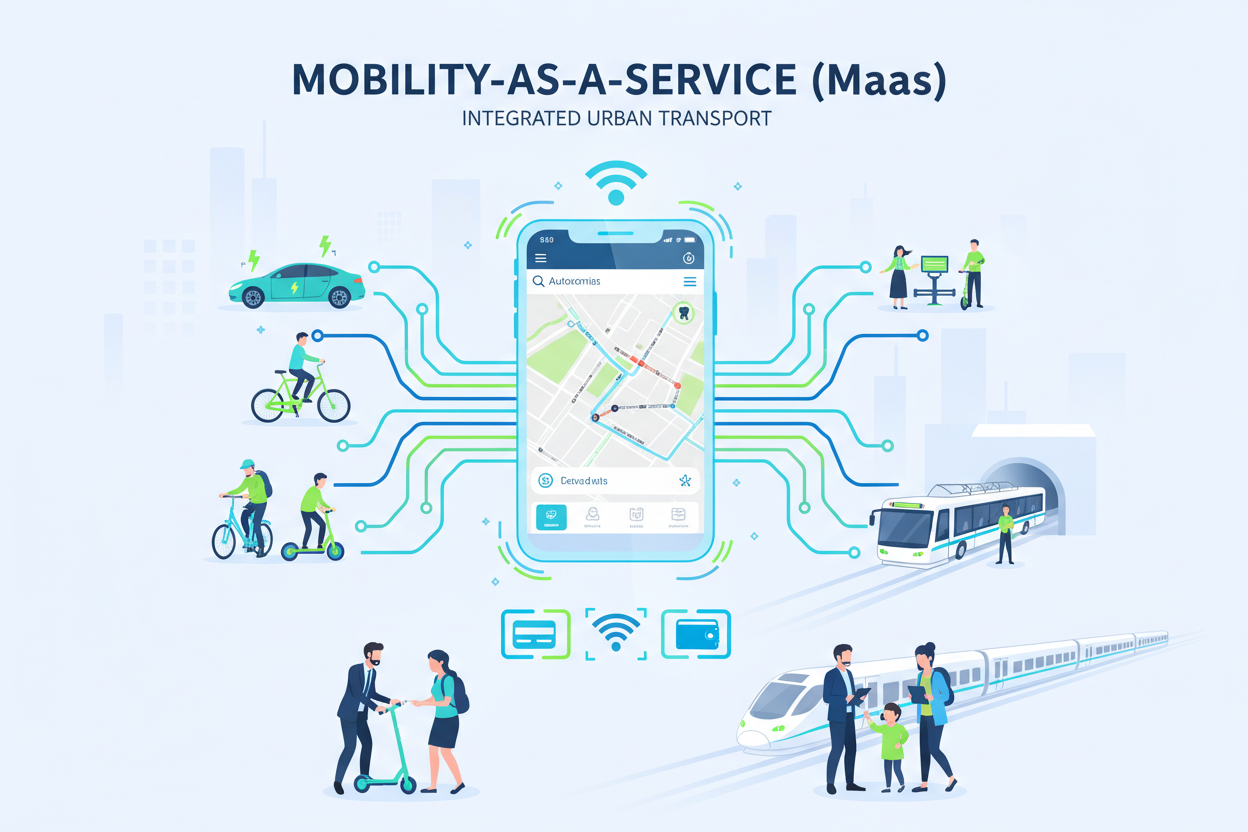
Mobility-as-a-Service (MaaS) is transforming transportation by integrating various transport modes into a single user-friendly platform, promoting efficiency and sustainability. Key drivers include urbanization, technology, environmental concerns, and changing consumer preferences. While MaaS offers benefits like convenience, cost savings, and reduced congestion, challenges such as data privacy, interoperability, and regulatory hurdles remain. The future of MaaS looks promising as cities embrace smart technology and collaborative transport networks.
Frequently Asked Questions
1. What is Mobility-as-a-Service (MaaS)?
2. What are the core components of MaaS?
3. What are the benefits of using MaaS?
4. What challenges does the MaaS model face?
5. How can consumers prepare for the shift to MaaS?
In recent years, the landscape of transportation has undergone a significant transformation, leading to the emergence of Mobility-as-a-Service (MaaS). This shift is not just a trend; it’s a profound change that is reshaping how people think about mobility. In this blog post, we will explore the concept of MaaS, its benefits, challenges, and what it means for the future of transport.
Understanding Mobility-as-a-Service (MaaS)
MaaS refers to the integration of various transport services into a single accessible, customer-friendly platform. The goal is to offer users a seamless travel experience that combines different modes of transport—public transport, ridesharing, car rentals, and even bicycles—into one service. This integration promotes more efficient and sustainable travel options, encouraging a shift away from private vehicle ownership.
The Core Components of MaaS
The fundamental features of MaaS are:
- Multi-Modal Transport: The ability to choose between various modes of transport based on user preferences, costs, and convenience.
- User-Centric Platforms: Apps or platforms that allow for easy planning, booking, and payment for all transport modes.
- Data Integration: Real-time data that informs users about current transport options, delays, or changes in service.
- Sustainable Solutions: An emphasis on eco-friendly options, thereby reducing carbon footprints through smart transport choices.
Why the Shift to MaaS is Happening
Several factors are contributing to the shift towards MaaS. These include urbanization, advancements in technology, environmental concerns, and changing consumer preferences.
Urbanization
As more people move into urban centers, congestion becomes a significant issue. Cities are struggling to accommodate the transport needs of growing populations. The introduction of MaaS offers a viable solution to ease congestion and provide better access to transport options.
Technological Advancements
With the rise of smartphones and mobile apps, the ability to connect various transport services has never been easier. Transportation network companies (TNCs), public transit systems, and car rental agencies are now developing apps that integrate their services, making it easy for consumers to plan their journeys.
Environmental Concerns
Climate change and environmental sustainability are critical issues that are driving the demand for more efficient transport systems. MaaS promotes shared mobility solutions that reduce the number of individual vehicles on the road, leading to lower emissions and a lesser environmental impact.
Changing Consumer Preferences
Younger generations are increasingly valuing experiences over ownership. Many prefer to use transport services as needed rather than investing in personal vehicles. This shift in mindset is paving the way for MaaS to thrive.
Benefits of Mobility-as-a-Service
The transition to MaaS comes with a variety of advantages for both users and cities alike. Here are some notable benefits:
Convenience and Flexibility
MaaS allows users to access multiple transport options through a single application, making planning and booking a hassle-free experience. Users can compare prices, find the best routes, and make informed decisions tailored to their needs.
Cost-Effectiveness
By using a combination of shared services instead of owning a vehicle, users can significantly reduce transportation costs. MaaS platforms often provide upfront pricing or subscription models that can help users save money in the long run.
Enhanced Accessibility
MaaS aims to make transportation accessible to everyone, including those without cars or the ability to drive. Featuring various modes such as public transit, bicycles, and ridesharing can cater to diverse transportation needs.
Reduced Traffic Congestion
More people choosing shared mobility solutions means fewer cars on the road. This reduction in private vehicle usage helps ease traffic congestion, making urban environments more pleasant and less stressful.
Challenges Facing the MaaS Model
While the benefits of Mobility-as-a-Service are clear, several challenges need to be addressed for the model to succeed.
Data Privacy and Security
Integrating multiple transport services requires a significant amount of data sharing, raising concerns about privacy and the security of personal information. Ensuring that users’ data is protected is a primary challenge for MaaS providers.
Interoperability
MaaS relies on seamless cooperation among various transport providers. If systems are not interoperable, users may encounter problems when trying to navigate different services. Ensuring compatibility across platforms is vital for user satisfaction.
Regulatory Hurdles
MaaS solutions may face regulatory hurdles as local governments and transport authorities scrutinize their operations. It is essential for providers to work collaboratively with governmental agencies to ensure compliance.
The Future of Mobility-as-a-Service
The future of Mobility-as-a-Service looks promising as cities worldwide embrace innovative solutions to enhance transport systems. As urban areas become more crowded, MaaS will play a pivotal role in creating efficient, sustainable, and integrated transport networks.
Integration with Smart City Initiatives
MaaS is set to evolve alongside smart city initiatives that use technology to improve urban living. By integrating with smart infrastructure and leveraging IoT (Internet of Things) technologies, cities can create more intelligent transport systems that are responsive and adaptive to user needs.
Transforming Public Transport
Public transport systems will become central to the MaaS model. Collaborative efforts between public transit and private mobility providers will ensure a comprehensive, interconnected transport network that maximizes user convenience.
How to Prepare for the Shift to MaaS
As consumers, businesses, and government agencies participate in the shift to MaaS, several actions can be taken to prepare for this transition:
- Stay Informed: Stay updated on regional developments in MaaS, including new apps, services, and partnerships.
- Embrace Technology: Businesses should invest in technology that enhances connectivity and compatibility with other transport services.
- Advocate for Sustainable Practices: Support initiatives aimed at promoting sustainable modes of transport and reducing dependency on single-occupancy vehicles.
- Participate in Local Planning: Engage in discussions with local transport authorities about MaaS initiatives and advocate for policies that support a multi-modal framework.
What's Next in the MaaS Journey?
The future possibilities of MaaS extend beyond mere transportation convenience. As this concept develops, we can look forward to a transformative landscape where smart technology, sustainability, and user-centric services reinvent urban mobility.
MaaS could lead to a reimagined public realm where cities prioritize people and their mobility needs, ensuring a better quality of life. As we witness the ongoing evolution of transport ecosystems, we should be excited about the potential changes and innovations on the horizon.