
Overview
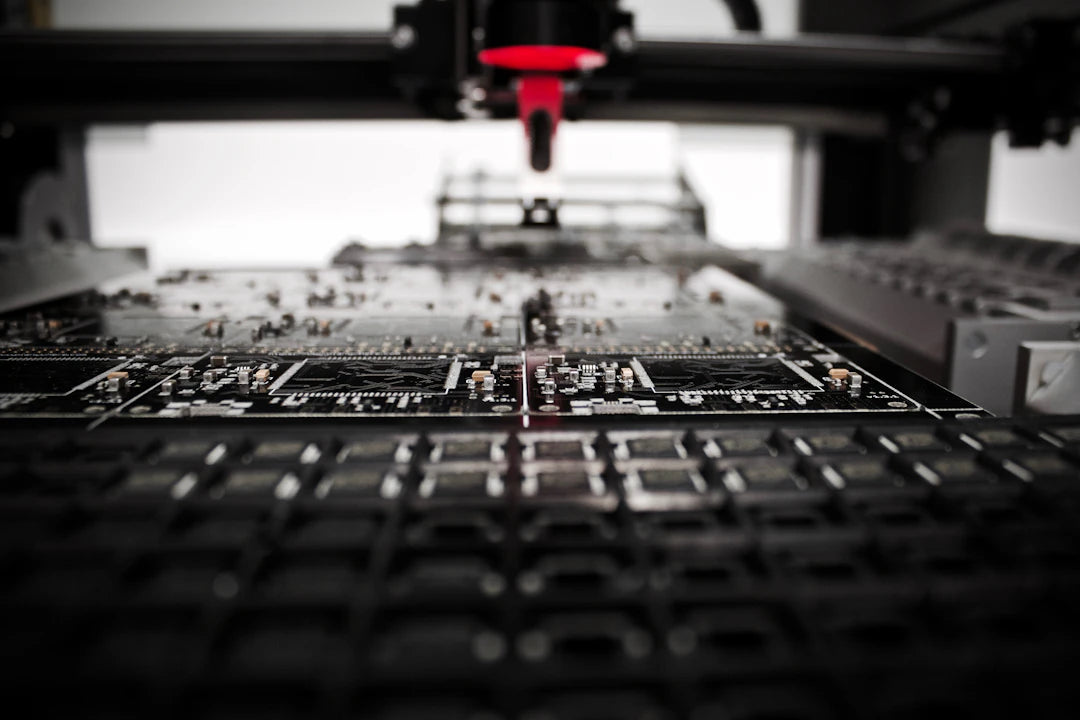
The blog explores the significant evolution and impact of robotics in the automotive industry, highlighting advancements from early innovations to current smart manufacturing setups. Key benefits include increased efficiency, improved precision, enhanced safety, and cost-effectiveness. Collaborative robots play a vital role in enhancing human-robot collaboration. Future trends involve AI integration, automation in electric vehicle production, and challenges like initial costs and workforce adaptation. Overall, robotics is driving economic growth and sustainability efforts in the industry.
Frequently Asked Questions
1. What is the role of robotics in the automotive industry?
2. How have robotics evolved in car manufacturing?
3. What are the benefits of using robotics in car manufacturing?
4. What are collaborative robots (cobots) and their significance?
5. What challenges does the automotive industry face with robotics integration?
The automotive industry has witnessed a dramatic transformation in recent years, largely fueled by advancements in technology. At the heart of this revolution is robotics, an indispensable force reshaping how vehicles are designed, built, and ultimately delivered to consumers. With automation becoming increasingly integral to car manufacturing processes, understanding the role of robotics offers fascinating insights into both current trends and future developments within this sector.
The Evolution of Robotics in the Automotive Sector
Robotics isn't a new concept in car manufacturing; its roots can be traced back to the mid-20th century. Initially introduced to automate repetitive tasks, the technology has evolved considerably. While early robots primarily assisted with welding and assembly, modern robotic systems are sophisticated, equipped with artificial intelligence, machine learning, and advanced sensors. This evolution has led to improved efficiency, safety, and the overall quality of automobile production.
Early Innovations
In the 1960s, the first industrial robots began to take their place on assembly lines. Companies like General Motors embraced this technology, utilizing robotic arms to streamline welding processes. This marked a significant departure from labor-intensive methods, paving the way for increased productivity.
Smart Manufacturing Setups
Today’s factories, known as smart factories or Industry 4.0 environments, leverage interconnected robotics and the Internet of Things (IoT) to optimize production lines. These setups allow for real-time monitoring and data analysis, enabling manufacturers to adapt quickly to changing demands, manage inventory levels, and ensure product quality.
Benefits of Robotics in Car Manufacturing
The integration of robotics in car manufacturing presents numerous advantages. From enhancing efficiency to ensuring safety, let’s delve into some of the primary benefits:
- Increased Production Efficiency: Robotics streamline various manufacturing processes, allowing for faster assembly line speeds and reduced cycle times.
- Improved Precision: Robots provide consistent and accurate results, minimizing defects and ensuring higher quality in finished products.
- Enhanced Safety: By performing hazardous tasks, robots significantly reduce the risk of workplace injuries for human workers.
- Cost-effectiveness: While initial investment in robotics can be high, the long-term savings in labor costs and increased production output often outweigh these expenses.
- Flexibility: Modern robotics can be reprogrammed and adapted for various tasks and product lines, enhancing a manufacturer’s agility in responding to market needs.
The Role of Collaborative Robots
As car manufacturers strive for more efficient assembly lines, collaborative robots (or cobots) have emerged as vital contributors. Unlike traditional industrial robots, cobots are designed to work alongside humans, enhancing productivity while promoting a safer work environment. They can manage repetitive tasks and allow human workers to focus on more complex operations that require critical thinking and creativity.
Human-Robot Collaboration
This partnership between humans and robots in car manufacturing fosters a blend of skills, leading to enhanced productivity. Cobots can assist workers in tasks like assembly, packaging, and quality control, allowing human operators to engage in more value-added activities. This collaborative approach not only optimizes workflow but also nurtures a more innovative manufacturing culture.
Future Innovations on the Horizon
The car manufacturing landscape is dynamic, with robotic technology continuously evolving. Future innovations promise to integrate even more advanced features. Here are some trends poised to shape the future of robotics in automotive production:
Artificial Intelligence and Machine Learning
AI plays a crucial role in enhancing robotic capabilities. Machine learning algorithms enable robots to analyze data, learn from past experiences, and autonomously improve their operations. As AI continues to grow more sophisticated, we can expect robots to execute complex tasks and make decisions with minimal human intervention.
Robotics and Supply Chain Integration
The synergy between robotics and supply chain management is gaining momentum. Robotic systems can efficiently manage inventory, track shipments, and forecast demand with unparalleled accuracy. As a result, automotive manufacturers can enhance their logistics operations, ultimately leading to reduced lead times and better customer satisfaction.
Automation in Electric Vehicle Production
As electric vehicles (EVs) gain traction, robotics will play a pivotal role in their production. The unique design and components of EVs require specialized automated processes, from battery assembly to vehicle design. Robotics will ensure that manufacturers can meet the increasing demand for sustainable transportation while optimizing costs.
Challenges to Overcome
Despite the numerous benefits of robotics in car manufacturing, several challenges must be addressed for seamless integration. Here are some key hurdles:
- Initial Costs: The investment required for advanced robotic systems can be significant, often serving as a barrier for small to medium-sized enterprises.
- Workforce Adaptation: As automation increases, the workforce must adapt to these technological changes. Upskilling and retraining initiatives will be essential to ensure workers can collaborate effectively with robots.
- Cybersecurity Risks: As factories become more digitally connected, they are also more susceptible to cyber-attacks. Safeguarding sensitive data and systems will be critical.
Industry Impacts and Economic Growth
The influence of robotics in automotive manufacturing extends beyond individual plants. The benefits reverberate throughout the entire automotive ecosystem, including suppliers, distributors, and consumers. By increasing production efficiency and quality, robotics contributes to economic growth within the industry.
Job Creation and Skill Development
While there are concerns that robotics may displace jobs, the reality is more nuanced. Increased automation opens new avenues for job creation in programming, maintenance, and robot coordination. Furthermore, the push for upskilling ensures that the workforce is equipped to meet the demands of an increasingly automated environment.
Economic Resilience
With globalization and fluctuating market demands, the automotive industry faces various uncertainties. The implementation of robotics facilitates a more agile manufacturing approach, enabling companies to adjust production based on market conditions. This adaptability contributes to long-term economic resilience.
The Green Revolution: Sustainability Efforts
As society increasingly prioritizes sustainability, robotics will play a crucial role in reducing the automotive industry's environmental impact. From enhancing fuel efficiency to minimizing waste, several robotic applications are leading the charge towards greener manufacturing practices.
Efficient Resource Use
Robots can optimize resource use in production processes. By ensuring precise material placement, they minimize waste and reduce energy consumption. Transitioning to automated processes helps manufacturers create a more sustainable footprint while satisfying environmentally-conscious consumers.
Promoting Circular Economy
As automotive manufacturers aim to adopt circular economy principles, robotics can assist in the re-manufacturing and recycling processes. Automated systems can efficiently separate and process materials from end-of-life vehicles, promoting responsible resource management.
A Technology-Driven Automotive Future
The impact of robotics in car manufacturing is undeniable. From revolutionizing production lines to enhancing collaboration between humans and machines, the future looks promising. As we drive into this high-tech era, both manufacturers and consumers stand to benefit.
Getting Ready for Tomorrow
As advancements continue, manufacturers must stay abreast of these emerging technologies. Investing in training, remaining flexible, and embracing innovation will keep businesses competitive in a rapidly evolving landscape.
Fasten Your Seatbelts for the Journey Ahead
The role of robotics in car manufacturing is a transformative theme that will shape the industry for years to come. As automation technologies evolve and expand, manufacturers must prepare to adapt continuously. Embracing this change not only enhances production capabilities but also signifies a commitment to safety, sustainability, and economic growth. As we embrace the future of car manufacturing, one thing is undeniable: the road ahead is driven by robotics.