Frequently Asked Questions
1. What is a smart city?
2. How do cars fit into the concept of smart cities?
3. What are the benefits of electric vehicles in smart cities?
4. What challenges do smart cities face in integrating cars?
5. How can community engagement impact smart city transportation planning?
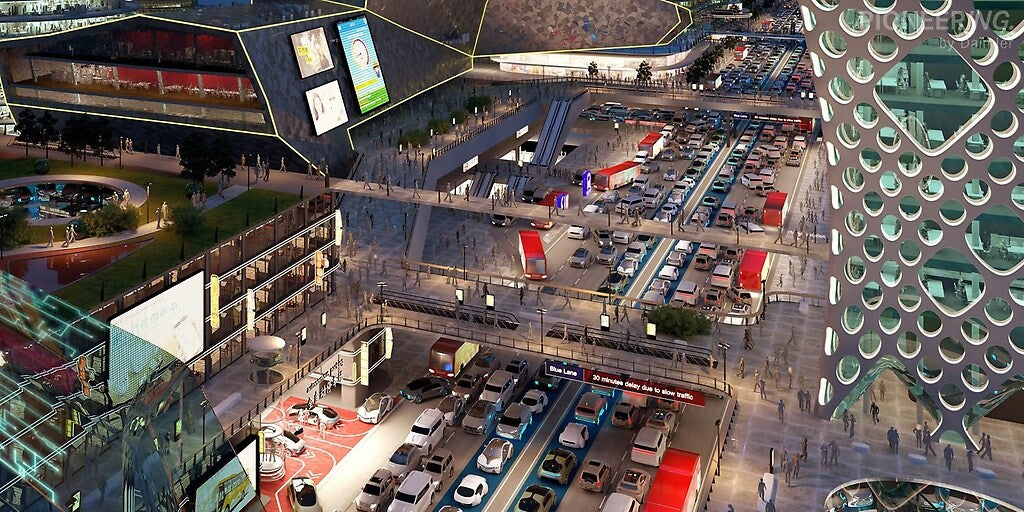
As urban areas continue to grow and technology advances, the role of cars in smart cities is more vital than ever. The concept of a smart city is rooted in the integration of technology with urban planning to enhance the quality of life, sustainability, and efficiency of city services. One of the driving forces behind this transformation is our relationship with vehicles. This article will explore how cars fit into the framework of smart cities and the potential benefits and challenges they present.
Understanding Smart Cities
Before delving into the role of cars, it’s essential to understand what constitutes a smart city. A smart city uses interconnected technology and data analysis to improve urban life. This can range from managing resources efficiently, optimizing transportation, and enhancing public safety to improving energy consumption. At the core of these initiatives is the aim to enhance the quality of life for residents while ensuring environmental sustainability.
Elements of a Smart City
- Data-Driven Infrastructure: Smart cities leverage data collected from various sources, like sensors and IoT devices, to make informed decisions.
- Sustainable Transportation: Efficient public transit systems, including electric and shared vehicles, contribute to reducing congestion and pollution.
- Community Engagement: Citizen participation through digital platforms fosters transparency and inclusivity in decision-making.
- Green Technologies: Utilizing renewable energy sources and energy-efficient buildings plays a crucial role in sustainability.
The Evolution of Cars in Urban Environments
Historically, cars have dominated urban transportation, shaping the design of cities and influencing how people navigate their surroundings. However, as the push for smarter, more eco-friendly urban environments grows, the traditional role of cars is being reevaluated.
From Personal Vehicles to Shared Mobility
The rise of shared mobility options, including ridesharing services and car-sharing platforms, reflects a significant paradigm shift in urban transportation. These alternatives promote reduced vehicle ownership and a decrease in traffic congestion, aligning perfectly with the principles of smart cities.
Electric Vehicles and Sustainability
Electric vehicles (EVs) represent another critical advancement in the automotive sector. In smart cities, the adoption of EVs can significantly lower greenhouse gas emissions and air pollution. Moreover, with the expansion of charging infrastructure, electric cars become a more viable option for urban transportation.
Smart Technology Integration
The integration of smart technology in vehicles transforms cars from mere transportation means to essential components of the smart city ecosystem. Here are several ways in which technology enhances the role of cars:
Connected Vehicles
Connected vehicles can communicate with other cars, traffic signals, and infrastructure to optimize traffic flow and enhance safety. This vehicle-to-everything (V2X) communication can lead to more efficient routes, reducing travel time and minimizing accidents.
Autonomous Driving
Autonomous vehicles hold great promise for smart cities. As these self-driving cars become mainstream, they can relieve congestion, enhance accessibility for those without driving capabilities, and reduce the need for extensive parking spaces, enabling cities to repurpose land for parks or public spaces.
Challenges on the Road to Smart Mobility
While the potential benefits are immense, the integration of cars into smart cities does not come without challenges. Here are a few hurdles that need to be addressed:
Infrastructure Investment
The shift toward smart mobility requires significant investment in infrastructure, including the development of charging stations for electric vehicles and the installation of advanced technological systems in cities. This financial burden can be a significant barrier for many local governments.
Data Privacy and Security
With increased connectivity comes the need for robust data privacy policies. Car manufacturers and urban planners must prioritize safeguarding the personal information collected through connected vehicles to maintain public trust.
The Community Impact: A Collaborative Approach
The success of smart cities hinges on collaboration among governmental agencies, businesses, and communities. Ensuring that all stakeholders have a voice in the development of smart transportation solutions will yield benefits across the board.
Community Engagement in Urban Planning
Encouraging public participation in the planning process helps to create transportation solutions that cater to the specific needs of residents. Engaging with communities can result in better designs for shared mobility services, bike lanes, and pedestrian pathways, enhancing urban life quality.
Advocating for Sustainability
As more cities aim for sustainable practices, local advocacy groups can play a crucial role in driving initiatives that promote green transportation options. Collaborations between car manufacturers, local businesses, and advocacy groups may lead to innovative solutions that could drive sustainability efforts.
Real-World Examples of Cars in Smart Cities
Several cities around the world serve as beacons of smart mobility, effectively integrating cars into their smart city frameworks. Let’s take a look at a few notable examples:
Singapore
Singapore is an exceptional case study, utilizing an extensive range of smart technologies to manage traffic and optimize transportation. The city employs an intelligent transport system that incorporates smart traffic lights, real-time traffic monitoring, and vehicle tracking. Singapore has also heavily invested in EV infrastructure to support its green initiatives.
Barcelona
Barcelona's urban planning emphasizes pedestrian-friendly districts, and the city is increasingly integrating shared mobility services into its public transit systems. The city’s efforts to create car-free zones facilitate better air quality while encouraging the use of bicycles and public transport.
Los Angeles
Famed for its car culture, Los Angeles is evolving with smart transportation initiatives designed to reduce dependence on personal vehicles. This includes expanding public transportation options, incorporating ridesharing services, and developing a network of bike lanes, thus moving towards a more holistic transportation model.
Looking Ahead: The Future of Cars in Smart Cities
The future of cars in smart cities appears to be a blend of traditional vehicle use and innovative technology, paving the way for increased efficiency, sustainability, and enhanced urban living. As cities adapt to the challenges posed by urban growth and climate change, cars will remain a critical aspect of their development, albeit in a redefined role.
The Role of Policy and Regulation
Implementing policies that encourage sustainable vehicle use, such as incentives for electric cars and regulations for emissions, will play a significant role in shaping the future landscape of urban transportation. Governments must work collaboratively with city planners, car manufacturers, and technology firms to create a regulatory environment that promotes innovation while protecting public interests.
Embracing Change
For cities to thrive in the era of smart mobility, embracing change and adopting innovative solutions is paramount. Urban planners must anticipate and adapt to the evolving dynamics of transportation, ensuring that cars continue to serve their purpose while prioritizing sustainability and enhancing the quality of life for residents.
Ready for the Journey Ahead?
The role of cars in smart cities presents a compelling narrative of transformation and innovation. As urban environments continue to evolve, it’s crucial for stakeholders to work cohesively, ensuring that the integration of vehicles within smart cities is both beneficial and sustainable. The future is bright for urban mobility, and together, we can navigate the road ahead toward more efficient, connected, and sustainable cities.
