
Overview
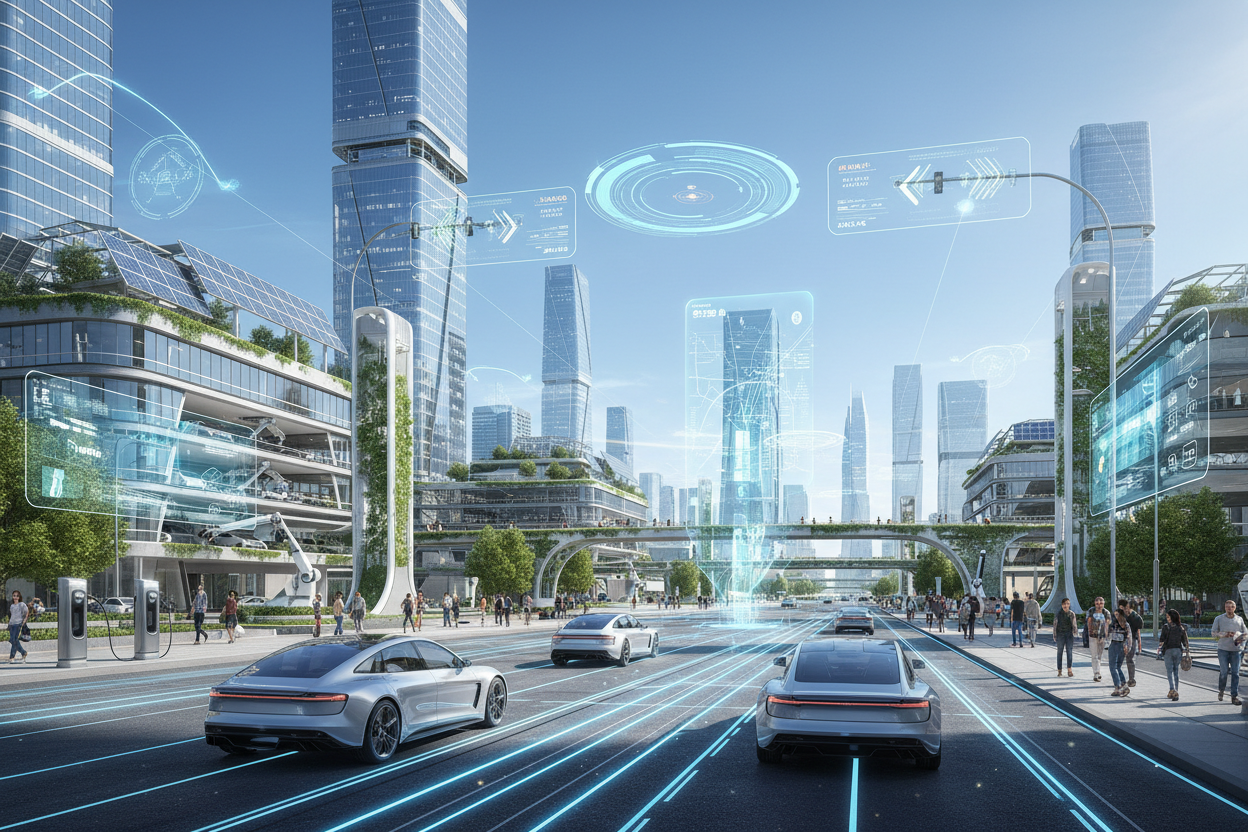
Smart cities are transforming urban life through technology, focusing on sustainability and improved mobility. Key elements include IoT integration, data analytics, connected and autonomous vehicles, and electric vehicle infrastructure. The automotive sector is crucial for this evolution, enhancing public transport and encouraging shared mobility solutions. Challenges like cybersecurity must be addressed to ensure safe and efficient urban environments. Overall, smart cities promise a more convenient and environmentally friendly future.
Frequently Asked Questions
1. What are smart cities?
2. How does the automotive sector contribute to smart cities?
3. What are the key features of smart cities?
4. What impact do electric vehicles have on smart cities?
5. What are the challenges associated with smart cities?
The concept of smart cities is rapidly evolving and is considered one of the most intriguing developments of our time. These cities leverage technology to enhance quality of life, promote sustainability, and improve urban experiences. Most significantly, the automotive sector plays a critical role in this transformation. In this blog post, we will delve into what smart cities are, how they integrate with automotive advancements, and the future that lies ahead for urban mobility.
Understanding Smart Cities
Smart cities utilize digital technologies to connect and manage critical urban infrastructure, enabling governments and organizations to enhance service delivery. With this integration of technology, the goal is to create urban environments that are efficient, sustainable, and more livable.
Key Features of Smart Cities
Here are some of the key features of smart cities:
- Internet of Things (IoT): Sensors and devices connected to the internet monitor and manage urban services like traffic, waste disposal, and energy usage.
- Data Analytics: Big data and analytics improve decision-making and optimize operations in real time.
- Sustainability: Smart buildings and renewable energy sources reduce environmental impact.
- Enhanced Mobility: Smart transportation systems enhance public transit and traffic management.
- Citizen Engagement: Platforms allow residents to access services and provide feedback directly to city officials.
The Automotive Sector's Role in Smart Cities
As cities evolve into smart environments, the automotive industry plays an essential role in this transition. From autonomous vehicles to integrated transport solutions, the innovations in mobility are at the forefront of smart city initiatives.
Connected Vehicles
One of the foundational elements of smart cities is connected vehicles. These vehicles communicate with each other and with city infrastructure to improve safety and efficiency. For instance, they can receive real-time data on traffic conditions or potential hazards, allowing for smarter routing and reduced travel times.
Autonomous Vehicles
Autonomous vehicles (AVs) are set to revolutionize urban transportation systems. They use advanced algorithms and machine learning technology to navigate without human intervention. The implementation of AVs in smart cities can:
- Reduce traffic congestion by optimizing routes.
- Lower accident rates due to enhanced safety features.
- Improve access for people with disabilities or limited mobility.
Moreover, the synchronization of AVs with city infrastructure can transform urban planning, allowing for the redesign of roadways, parking facilities, and traffic patterns.
Integrating Electric Vehicles into Smart City Frameworks
Another significant component of smart cities is the adoption of electric vehicles (EVs). As urban areas strive for sustainability, the transition to electric transportation is vital for reducing greenhouse gas emissions and improving air quality.
The Impact of EVs on Urban Infrastructure
The integration of EVs into smart cities requires an extensive charging infrastructure. The development of comprehensive charging networks not only facilitates the use of electric vehicles but also provides numerous benefits:
- Ease of Access: With convenient charging stations located throughout the city, residents are more inclined to opt for electric over traditional vehicles.
- Smart Charging Solutions: The incorporation of smart grids allows for dynamic energy management, ensuring that EVs are charged during off-peak hours to reduce strain on electricity demand.
- Environmental Benefits: A shift towards electric mobility contributes to cleaner urban environments through reduced emissions.
Smart Public Transportation Systems
In addition to private vehicles, smart cities focus on enhancing public transportation systems. By integrating advanced technology, cities can provide a seamless travel experience that encourages residents to utilize public transport over personal vehicles.
Real-Time Tracking and Updates
One of the significant advancements in public transportation is real-time tracking of buses, trams, and trains. Smart public transport systems provide commuters with:
- Live updates on arrival times and delays.
- Mobile applications that help plan journeys efficiently.
- Integrated payment systems that eliminate the need for cash or physical tickets.
Dynamic Routing and Scheduling
Smart public transit systems can dynamically alter routes and schedules based on real-time demand. This flexibility helps to:
- Reduce waiting times for passengers.
- Optimize fuel consumption, aligning resources with passenger needs.
Smart City Infrastructure and the Automotive Future
The advancement of smart city infrastructure relies heavily on the collaboration between urban planners, government officials, and automotive companies. Each stakeholder plays an essential role in creating an integrated transportation system that meets the needs of urban residents.
Collaborative Urban Planning
To design effective urban spaces, collaboration between automotive manufacturers and city planners is crucial. This partnership enables the design of roadways, public spaces, and transit facilities that prioritize:
- Safety for all users, including pedestrians and cyclists.
- Efficiency in traffic flow, reducing congestion.
- Aesthetic appeal, making urban environments more attractive.
The Shift Towards Sustainable Mobility in Smart Cities
As cities develop smart technologies, the focus on sustainability becomes paramount. The automotive industry is under pressure to innovate in ways that are environmentally responsible while still meeting the demands of urban mobility.
Shared Mobility Solutions
Car-sharing and ride-sharing services have gained popularity as part of the sustainable mobility movement. These solutions help to:
- Decrease the number of cars on the road, thus lowering traffic congestion.
- Reduce emissions by doubling down on shared resources.
- Encourage more efficient use of vehicle capacity.
Future of Transportation
The future of transportation in smart cities will heavily rely on innovative solutions that marry convenience with sustainability. Potential advancements include:
- Integration of drones for delivery services that will minimize urban traffic.
- Hyperloop systems providing ultra-fast travel between cities.
- More refined AI systems predicting transportation needs and adjusting availability accordingly.
The Challenge of Cybersecurity in Smart Cities
While smart cities offer transformative potential, they also present challenges, particularly concerning cybersecurity. As vehicles and city infrastructure become more interconnected, the risk of cyber threats escalates. Ensuring secure systems is paramount for maintaining public trust.
Implementing Robust Security Protocols
Automotive companies and urban planners must prioritize cybersecurity in the design of their smart city solutions. Measures may include:
- Regular security audits to identify vulnerabilities.
- Education and training for stakeholders on best practices in cybersecurity.
- Collaboration with cybersecurity experts to implement protective measures.
Unleashing the Potential of Smart Cities and Automotive Innovations
The relationship between smart cities and the automotive industry is one of collaboration and synergy, indicating a trend that will shape the future of urban mobility. As technology continues to advance, cities will become even smarter, driving a cultural shift towards more efficient and sustainable living.
The integration of connected and autonomous vehicles, alongside sustainable practices and robust automated public transportation systems, holds the key to unlocking smarter urban environments. The journey toward smart cities is not without challenges, but the rewards are immense, paving the way for a more convenient, accessible, and environmentally friendly future.
By embracing these innovations, cities can create a harmonious existence. The automotive sector must play its part to ensure that the transition to smart mobility is not only achievable but sustainable. With cities turning their eyes to the future, let's embark on this exhilarating journey together!