
Overview
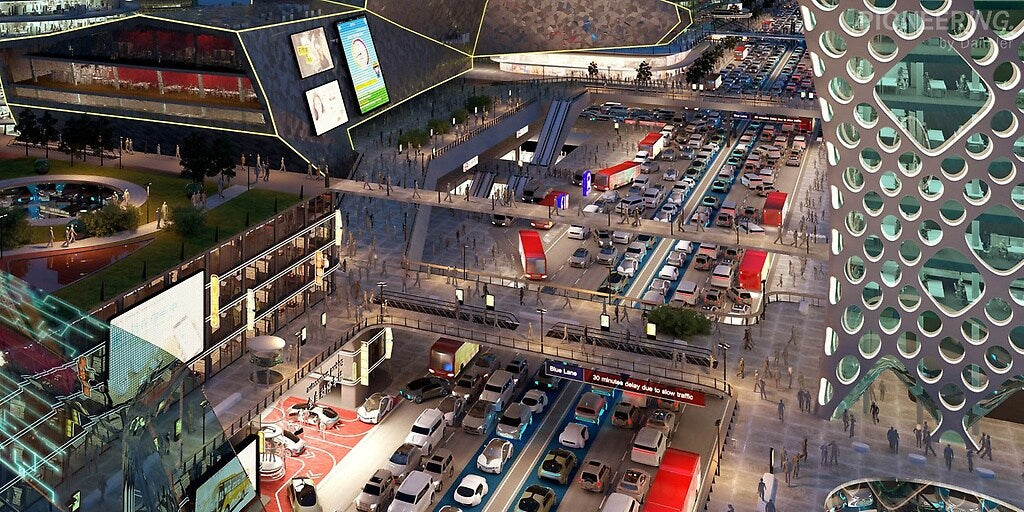
Smart cities are transforming urban living by leveraging advanced technologies and the Internet of Things (IoT) to enhance driving experiences, improve traffic management, promote sustainable transport, and increase safety. Key features include real-time data sharing, adaptive route planning, electric vehicle integration, and the rise of autonomous vehicles. Community engagement and innovative economic strategies further support this evolution, leading to safer, more efficient, and environmentally friendly transportation options.
Frequently Asked Questions
1. What are smart cities?
2. How will smart cities impact driving?
3. What role does the Internet of Things play in smart cities?
4. How do smart cities promote sustainable transport?
5. What economic benefits do smart cities offer related to driving?
The rise of smart cities is transforming the landscape of urban living, experimenting on how technology can enhance daily life. As these cities evolve, they will significantly impact the way we drive, interact with vehicles, and navigate through urban environments. This article explores the various ways smart cities are set to shape the future of driving, paving the way for more efficient, safer, and sustainable transportation options.
Understanding Smart Cities
Smart cities leverage advanced technologies, data analytics, and the Internet of Things (IoT) to improve the quality of urban services and enhance the overall quality of life for citizens. From traffic management systems to smart parking solutions, these cities are designed to optimize resource utilization and lower environmental impact. As we delve deeper into this topic, let’s examine how these innovations will transform driving experiences.
The Role of IoT in Smart Cities
The Internet of Things is integral to the development of smart cities. By using interconnected devices, cities can collect and analyze real-time data. This leads to better decision-making, smoother traffic flow, and many possibilities for the future of driving.
Real-Time Data Sharing
Imagine driving in a city where information flows freely between vehicles and infrastructure. Real-time data sharing regarding traffic conditions, road hazards, and weather changes can significantly enhance the driving experience. Smart traffic lights can adapt to current traffic conditions, optimizing flow and reducing congestion.
Enhanced Vehicle Communication
In smart cities, vehicles will be equipped with communication systems that interact with each other and with city infrastructure. This Vehicle-to-Infrastructure (V2I) communication can provide drivers with alerts about upcoming accidents or delays, allowing them to make informed decisions about their routes.
Impact on Traffic Management
Efficient traffic management is a primary goal of smart cities. By utilizing technologies such as AI and machine learning, cities can analyze vast amounts of data to create smarter traffic systems.
Dynamic Traffic Control Systems
Dynamic traffic control systems in smart cities can adapt traffic signals based on real-time conditions. For instance, during peak hours, traffic lights can extend green phases for congested routes and minimize delays for side streets, improving overall flow.
Adaptive Route Planning
Another advantage of smart cities is the potential for adaptive route planning applications. These apps will provide drivers with the most efficient routes considering current traffic, construction, or accidents, ultimately saving time and reducing emissions.
Promoting Sustainable Transport
Sustainability is a key principle within the framework of smart cities. By focusing on reducing carbon footprints and promoting eco-friendly modes of transportation, they can significantly influence driving behavior.
Electric Vehicle (EV) Integration
As smart cities embrace electric vehicles, charging infrastructure will be integrated into the urban landscape. This accessibility encourages more drivers to opt for EVs, leading to a reduction in fossil fuel consumption and contributing to improved air quality.
Encouraging Public Transport
Smart cities typically prioritize public transportation by making it more efficient and accessible. Improved public transit could lead to fewer personal vehicles on the roads, resulting in less traffic congestion and lower greenhouse gas emissions—benefiting both residents and the environment.
Safety Enhancements through Technology
Safety is a crucial aspect of driving, and smart cities are poised to make significant advancements in this area. With integrated technology, the likelihood of accidents can be greatly reduced.
Smart Surveillance Systems
Smart cities often incorporate surveillance systems that monitor traffic patterns and detect unsafe driving behaviors. These systems can alert authorities in real-time, enabling rapid response to incidents and enhancing overall road safety.
Predictive Analytics for Accident Prevention
Utilizing predictive analytics can help smart cities identify high-risk areas prone to accidents. By monitoring patterns and trends, cities can implement proactive measures—such as adjusting traffic controls or adding warning signage—to minimize risks and improve safety for all road users.
User-Centric Driving Experience
Smart cities aim to create a more user-centric driving experience, ensuring that the needs of all citizens are considered in urban planning.
Personalized Navigation Systems
In the future, personalized navigation systems will become standard as smart cities evolve. These systems will integrate with vehicle technology, providing tailored route suggestions based on individual driving styles, preferences, and historical data, improving the overall driving experience.
Seamless Mobility Integration
The future of driving in smart cities will likely include seamless integration with other forms of transport. Users will be able to plan multi-modal trips that combine driving, public transport, cycling, and walking conveniently, allowing for a cohesive urban mobility experience.
The Rise of Autonomous Vehicles
Autonomous vehicles represent one of the most transformative technologies affecting the future of driving. Smart cities are perfectly positioned to support the development and integration of these vehicles into the urban landscape.
Infrastructure Readiness
Smart cities will build the necessary infrastructure to accommodate autonomous vehicles, such as dedicated lanes, smart traffic signals, and advanced navigation systems. This infrastructure will not only facilitate the operation of self-driving cars but also enhance their safety and efficiency.
Collaborative Vehicles
As smart cities enhance vehicle communication, collaborative vehicle networks will become more common. Autonomous vehicles can communicate with each other and infrastructure, optimizing traffic flow and significantly reducing the likelihood of accidents caused by human error.
Community Engagement and Driving Culture
Community engagement is essential for the success of smart cities. Public input and collaboration will play a crucial role in shaping driving culture and transportation policies.
Public Awareness Campaigns
Smart city initiatives often include public awareness campaigns to educate residents about sustainable driving practices and the benefits of emerging technologies. By fostering an understanding of smart city features, communities can become more involved in creating a safer and more efficient driving environment.
Encouraging Responsible Driving Behavior
Cities can promote safer driving habits by leveraging technology. For example, apps can reward responsible driving, like obeying traffic rules or avoiding aggressive maneuvers. Such initiatives can cultivate a culture of accountability among drivers.
The Economic Implications of Smart Driving
Smart cities also present economic benefits related to driving. These factors can have a substantial impact on both local economies and individual savings.
Reducing Operational Costs
By improving traffic flow and decreasing the time spent on the road, smart cities can help reduce operational costs for businesses that rely heavily on transportation. Lower fuel consumption, fewer delays, and decreased vehicle maintenance can substantially enhance profitability.
Attracting Investment
Smart cities are more attractive to investors, leading to increased funding for innovative automotive technologies and businesses. A thriving economic environment can stimulate the development of transportation solutions that enhance driving experiences.
Future Perspectives and Innovations
As smart cities continue to evolve, their impact on future driving will only grow. The infusion of technology into urban planning and transportation management will lead to more innovative solutions.
Connections Between Urban Planning and Driving
Future urban planning must consider how transportation influences city design. Well-laid-out urban environments that prioritize pedestrian access and public transport can lead to reduced reliance on cars, promoting healthier cities.
The Role of Data Privacy and Ethics
As data collection becomes integral to smart city technology, ensuring data privacy and ethical practices will be vital. Balancing technological advancements with ethical standards will ultimately define how cities respect user privacy while enhancing the driving experience.
Looking Forward: A New Era of Driving
As we stand on the brink of a new era shaped by smart cities, the future of driving looks promising. By embracing technology, fostering sustainable practices, and enhancing community engagement, urban environments can create a harmonious relationship between residents and their driving experiences. The shift toward smart, connected cities offers a thrilling promise of enhanced safety, efficiency, and sustainability for those on the road. Together, we pave the way for a brighter, smarter, and more connected future.