
Overview
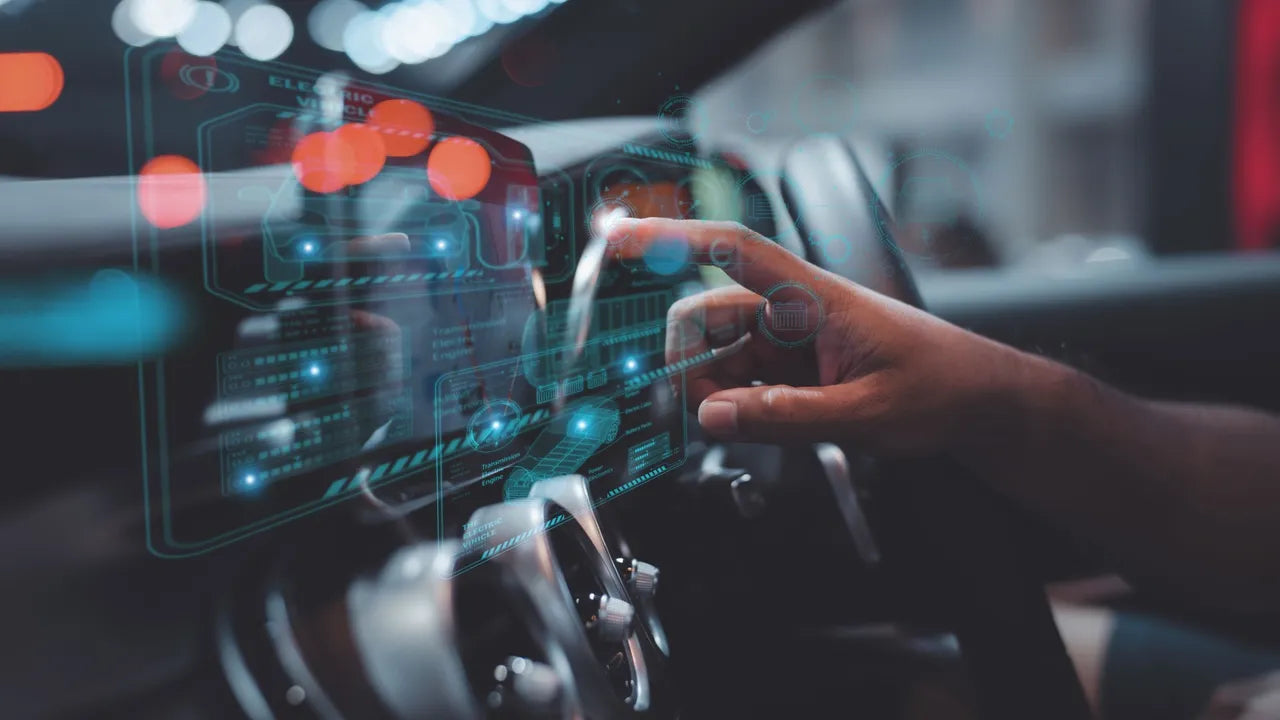
Smart technology is revolutionizing the automotive industry, enhancing the driving experience through interconnected systems, advanced safety features, efficient navigation, and eco-friendly driving options. Innovations like smart infotainment, ADAS, real-time traffic updates, and predictive maintenance are making vehicles safer, more enjoyable, and environmentally conscious. The future of driving is increasingly smart and connected, offering drivers improved comfort and efficiency.
Frequently Asked Questions
1. What are some examples of smart technology in modern vehicles?
2. How do Advanced Driver-Assistance Systems (ADAS) improve safety?
3. What benefits do smart navigation systems provide?
4. How does smart technology contribute to eco-driving?
5. What features support smart maintenance in vehicles?
The automotive landscape is rapidly evolving, with smart technology at the forefront of this transformation. In today's digital age, enhancing the driving experience has never been more sophisticated. From intuitive dashboards to advanced navigation systems, smart technology is not just a luxury, but a staple for modern vehicles. In this article, we will explore how these innovations are transforming our daily commutes and long road trips, making every journey safer, more enjoyable, and undeniably smarter.
The Rise of Smart Technology in Automobiles
In recent years, there has been a significant surge in the adoption of smart technology across various sectors, including the automotive industry. Drivers are now experiencing features that were once considered futuristic, bringing convenience, efficiency, and safety into one package. The integration of smart technology in cars is a manifestation of how engineers and designers are capitalizing on advancements to improve user experience.
Interconnected Systems
One of the hallmarks of smart technology is the creation of interconnected systems that allow different components to communicate seamlessly. This interconnectedness can be seen in:
- Smart Infotainment Systems: These systems allow drivers to connect their smartphones directly to their vehicle, providing easy access to music, navigation, and communication apps.
- Vehicle-to-Vehicle Communication: Cars can now share information with each other about road conditions, traffic patterns, and potential hazards, enhancing overall road safety.
- Adaptive Climate Control: Smart climate control systems can adjust cabin temperatures based on user preferences and weather conditions for ultimate comfort.
Enhancing Safety Features
Smart technology significantly upgrades safety features, providing drivers with valuable assistance on the road. Here are some notable advancements:
Advanced Driver-Assistance Systems (ADAS)
The implementation of Advanced Driver-Assistance Systems (ADAS) has revolutionized safety standards in vehicles. These systems utilize sensors, cameras, and radar to facilitate features like:
- Automatic Emergency Braking: If a collision is imminent, the system can autonomously apply the brakes to prevent or mitigate an accident.
- Lane Keeping Assistance: This feature helps drivers stay within their lanes using real-time feedback and gentle corrective steering.
- Blind Spot Monitoring: Smart sensors can detect vehicles in adjacent lanes, alerting drivers to potential dangers when changing lanes.
Enhanced Visibility
Smart technology doesn’t only aid in driving; it also improves visibility. Features such as adaptive headlights adjust their angle and brightness based on the steering direction, ensuring road visibility is maximized during nighttime or low-light conditions.
Efficient Navigation and Connectivity
One of the most direct benefits of smart technology in driving is enhanced navigation capabilities. Gone are the days of relying solely on static maps; today’s vehicles come with dynamic systems designed to make navigation as efficient as possible.
Real-Time Traffic Updates
Smart navigation systems can connect to traffic databases, offering real-time updates about traffic conditions, potential obstacles, and optimal routing. Drivers benefit from:
- Alternate Route Suggestions: By avoiding congested areas, drivers can save time and reduce frustration during their journeys.
- Points of Interest: Navigation systems provide information about nearby attractions, restaurants, and fuel stations, ensuring that every trip is more than just travel.
Voice Control Features
Hands-free operations are vital for safety. Voice control systems allow drivers to adjust navigation, music, and phone calls without taking their hands off the wheel or eyes off the road. This innovation enhances the driving experience by promoting safety while ensuring connectivity.
Green Driving Through Smart Tech
As the world becomes more environmentally conscious, smart technology in vehicles has also begun focusing on sustainability. With innovations aimed at promoting green driving, vehicles are now equipped to ensure that drivers remain efficient in fuel consumption.
Eco-Driving Modes
Many modern vehicles now offer eco-driving modes, which optimize engine performance and fuel efficiency based on driving behavior. This feature contributes to:
- Lower Emissions: By promoting fuel-efficient driving, vehicles equipped with eco-driving modes can help in reducing their carbon footprint.
- Cost Savings: Improved fuel efficiency leads to lower spending on fuel over time, making eco-driving not only environmentally friendly but economically beneficial as well.
Electric and Hybrid Vehicles
The rise of electric and hybrid cars has also been fueled by smart technology. With advanced battery management, regenerative braking systems, and charging solutions integrated into smart technology, electric driving is becoming more user-friendly and accessible, encouraging more people to make the switch.
Smart Maintenance and Connectivity
Having a vehicle connected to the internet goes beyond driving; it extends into smart maintenance as well. With telematics and onboard diagnostics, drivers are able to keep track of their vehicle’s health effortlessly.
Predictive Maintenance
Smart systems can diagnose potential issues before they escalate into major problems. Features like:
- Real-time Monitoring: Systems that continuously check various components of the vehicle reduce the risk of unexpected breakdowns.
- Maintenance Notifications: Drivers are alerted via their smart devices about necessary service checks, oil changes, and tire rotations, ensuring the vehicle remains in top shape.
Remote Access
Many vehicles now allow drivers to perform functions remotely, such as unlocking doors, starting the engine, or even locating the vehicle through smartphone applications. This level of connectivity results in increased convenience and peace of mind.
A New Era of Driving Experiences
The incorporation of smart technology has undeniably transformed the driving experience into something more dynamic and engaging. With an array of features designed to enhance comfort, safety, and efficiency, the future of driving is looking brighter than ever. From fully integrated connectivity systems to advanced safety measures, smart technology is paving the way for a new era in automotive experiences.
Staying Ahead in the Evolving Market
For those in the automotive industry, staying ahead of the curve means embracing these developments in smart technology. Introducing features that meet modern drivers' needs can set businesses apart in a competitive marketplace. Understanding consumer preferences and leveraging smart tech in product offerings will be essential for success.
Join the Smart Driving Revolution!
As the automotive industry continues to adopt groundbreaking smart technologies, it’s crucial for drivers to stay informed about these advancements. By understanding the various enhancements available, you can elevate your own driving experience while ensuring safety and efficiency are at the forefront. So, buckle up and get ready to embrace the future of driving! The road ahead is smart, connected, and full of exciting innovations just waiting to be discovered.