
Overview
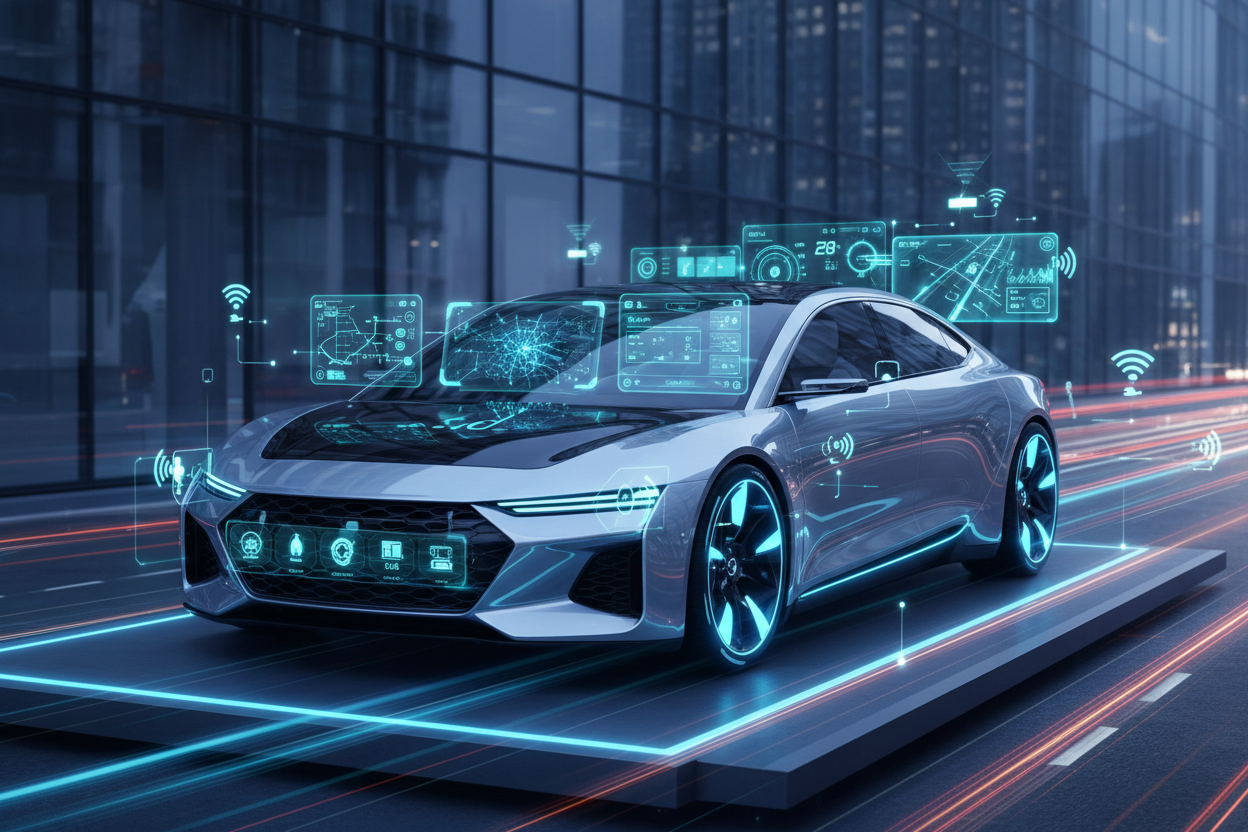
Connected cars are revolutionizing the driving experience with smart technologies that enhance safety, convenience, and efficiency. They feature real-time navigation, advanced driver assistance systems (ADAS), infotainment options, and eco-friendly driving practices. While they promise a safer and more connected future, challenges like cybersecurity risks and infrastructure limitations must be addressed. Embracing these innovations is key for drivers looking to stay informed and benefit from the evolving automotive landscape.
Frequently Asked Questions
1. What are connected cars?
2. How do Advanced Driver Assistance Systems (ADAS) improve safety?
3. What infotainment features do connected cars offer?
4. How do connected cars contribute to eco-friendliness?
5. What challenges do connected cars face?
The automotive landscape is rapidly evolving, and at the forefront of this transformation are smart technologies that are reshaping the driving experience. From enhanced safety features to unparalleled convenience, connected cars are ushering in a new era of mobility. This article dives deep into how these innovative technologies function and the significant changes they bring to our lives on the road.
The Rise of Connected Cars
Over the past decade, the advent of connectivity has revolutionized nearly every industry, and automotive innovation is no exception. Connected cars—vehicles equipped with internet access and often wireless local area networks—are beginning to redefine not just how we drive, but how we perceive vehicle ownership. But what exactly does it mean to drive a connected car?
Defining Connected Cars
Connected cars are vehicles that can communicate with the driver, other vehicles, and infrastructure through the internet. They come packed with features that enhance the driving experience, such as:
- Real-time navigation updates
- Remote diagnostics and maintenance alerts
- Infotainment systems that access music, podcasts, and more
- Driver assistance features like adaptive cruise control and lane-keeping
Safety First: Advanced Driver Assistance Systems (ADAS)
One of the standout features of connected cars is the integration of Advanced Driver Assistance Systems (ADAS). These systems dramatically improve safety on the roads and can prevent accidents before they happen. Here are some crucial components found in ADAS:
Automatic Emergency Braking
Automatic Emergency Braking (AEB) systems use sensors to detect an imminent collision and can apply the brakes automatically if the driver fails to respond in time. This technology has the potential to save countless lives and reduce the severity of accidents.
Lane Departure Warning
Lane Departure Warning systems alert drivers when they unintentionally drift out of their lane. This feature helps minimize accidents due to driver inattention, creating a safer travel environment for everyone on the road.
The Comfort of Connectivity
Connected cars are not just about safety; they also enhance the overall driving experience. Here’s how:
Infotainment and Smart Features
The infotainment systems in connected cars provide access to a wealth of entertainment and information options. Drivers can enjoy seamless integration with their smartphones, allowing for:
- Hands-free calling and texting
- Voice-activated navigation commands
- Streaming music and podcasts through favorite apps
Remote Vehicle Control
Many connected cars come with mobile apps that allow owners to remotely start their vehicle, lock and unlock doors, and even check the fuel level right from their smartphones. Such features provide added convenience, particularly in inclement weather or when juggling multiple tasks.
Eco-Friendliness and Efficiency
Connected cars are also paving the way for more eco-friendly driving practices. With real-time data on driving habits, drivers can optimize their routes to reduce fuel consumption and minimize emissions. Here’s how:
Smart Route Planning
Utilizing real-time traffic data allows connected vehicles to choose the most efficient route, avoiding congestion and reducing travel time. By minimizing idle time in traffic, drivers can enhance fuel efficiency while contributing to a greener planet.
Car Maintenance Reminders
Connected cars can alert drivers to upcoming maintenance needs, ensuring that vehicles remain in optimal working condition. This proactive approach to vehicle upkeep can help extend the lifespan of the car, reducing waste and environmental impact.
The Future of Mobility: Autonomous Vehicles
While connected cars significantly enhance the driving experience today, the future holds even more exciting possibilities with the rise of autonomous vehicles. These self-driving cars promise to further transform how we travel. Here’s what you need to know:
Self-Driving Technology and Its Impact
Autonomous vehicles utilize a combination of sensors, cameras, and intelligent algorithms to navigate without human intervention. Though fully self-driving cars are still undergoing testing, their potential benefits include:
- Increased safety with reduced human error
- Expanded mobility for those unable to drive
- Enhanced efficiency on the road with optimized traffic flow
The Role of Connectivity in Autonomous Driving
Connectivity plays a crucial role in the development of autonomous vehicles. These cars must communicate with the surrounding environment, including other vehicles and infrastructure, to operate safely and efficiently. As connected car technology matures, it will serve as a backbone for widespread autonomous mobility.
Challenges to Overcome
Despite the numerous benefits of connected cars, there are challenges that manufacturers and consumers must navigate.
Cybersecurity Risks
With increased connectivity comes the risk of cyber-attacks. Protecting user data and ensuring the integrity of a vehicle's operating system are top priorities for manufacturers. As connected cars become more prevalent, robust cybersecurity measures will be essential in assuring customers of their safety.
Infrastructure Limitations
Another challenge is the current state of road infrastructure, which may not be ready to support widespread connectivity. Upgrading traffic systems and addressing connectivity gaps will be crucial for maximizing the potential benefits of connected and autonomous vehicles.
The Road Ahead: Embracing Innovation
The journey toward a more connected future is an exhilarating one. As we embrace the innovations of smart technologies in vehicles, it is vital to understand both the benefits and challenges they present. Stakeholders—from manufacturers to consumers—must collaborate to create a harmonious driving environment.
Steps You Can Take Today
As a driver, you can start embracing this technology transition by considering the following:
- Research and stay informed about the latest advancements in connected cars.
- Explore options if considering a new car that aligns with smart tech trends.
- Stay cautious and informed about privacy concerns and cybersecurity measures.
The Next Chapter in Driving: Your Thoughts?
Connected cars are more than just a trend; they represent a pivotal shift in our automotive experiences. As the world becomes increasingly reliant on technology, the connected car industry is set to thrive, offering improved safety, efficiency, and convenience. What are your thoughts on this technological revolution? Are you excited to experience a connected car, or do you have reservations? Share your views as we embark on this fascinating new chapter, transforming the way we drive into a smarter, safer experience.