Overview
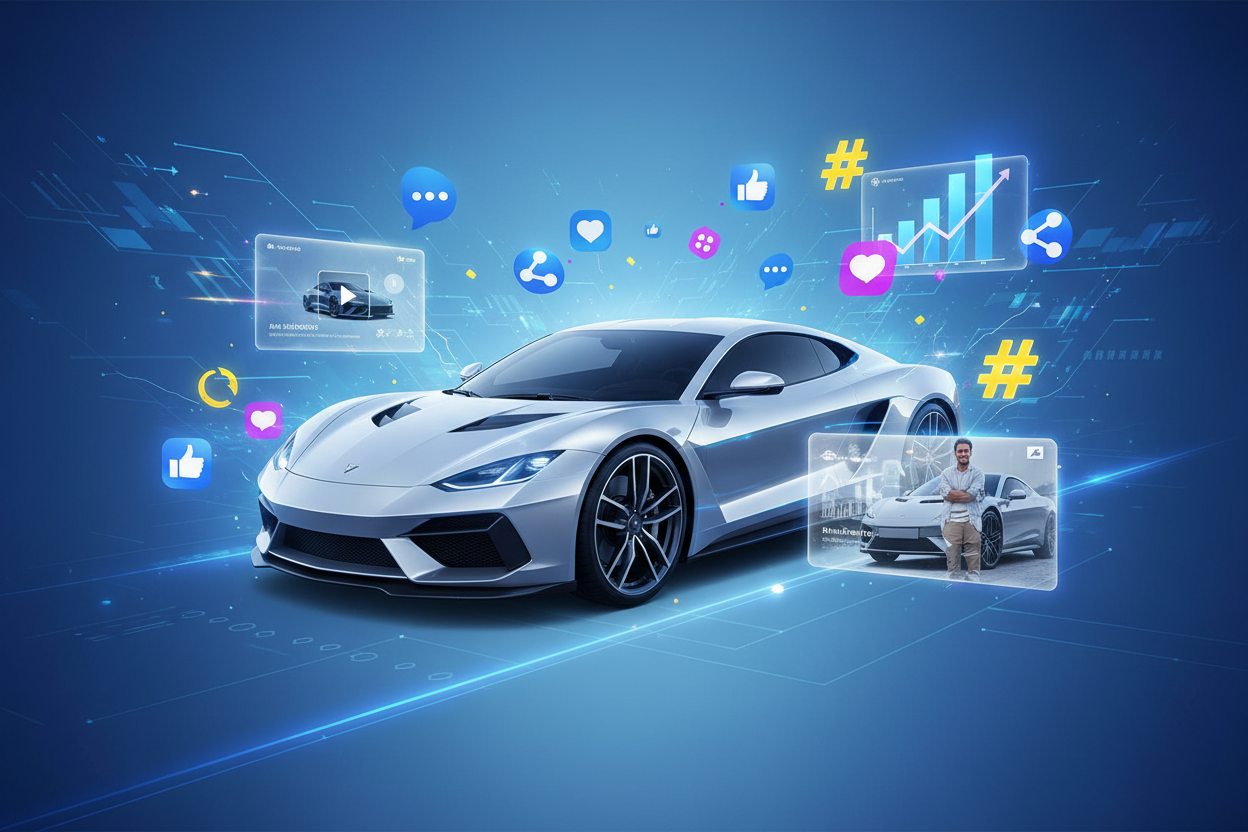
Social media is transforming the automotive industry by influencing marketing strategies, consumer behavior, and vehicle design. It enables real-time communication, fosters community engagement, and drives trends through visual content. Influencers play a key role in shaping perceptions and brand loyalty. While social media offers significant opportunities for brands, it also presents challenges like negative feedback and content saturation. Looking ahead, increased video content, augmented reality experiences, and community-building initiatives are expected to further enhance the relationship between social media and the automotive sector.
Frequently Asked Questions
1. How does social media influence the automotive industry?
2. What role do influencers play in automotive trends?
3. What are the benefits of social media for automotive businesses?
4. How does social media affect consumer behavior in vehicle purchases?
5. What future trends are expected in the relationship between social media and the automotive industry?
The automotive industry is constantly evolving, driven by innovation and consumer preferences. One of the most significant factors influencing these trends today is social media. With billions of users across various platforms, social media has become a powerful tool for shaping opinions, fostering communities, and promoting the latest automotive developments. In this article, we’ll explore how social media influences automotive trends, the benefits it brings to businesses and consumers, and what the future holds for this dynamic relationship.
The Rise of Social Media in the Automotive Sector
The automotive industry has traditionally relied on advertisements, trade shows, and word-of-mouth for marketing. However, the emergence of social media platforms such as Facebook, Twitter, Instagram, and TikTok has revolutionized how automakers communicate with potential buyers. These platforms provide a direct line to consumers, allowing brands to share updates, promotions, and innovations in real time, all while engaging with their audience.
The Engagement Factor
One of the primary reasons social media is so influential in the automotive sector is its ability to foster engagement. Social media allows brands to connect with consumers on a personal level, responding to comments, answering questions, and even addressing concerns. This two-way communication creates a sense of community and fosters loyalty among customers.
Driving Trends Through Visual Content
Visual content is another major player in how social media influences automotive trends. Platforms like Instagram and TikTok thrive on engaging visuals, making them perfect for showcasing cars, features, and lifestyles associated with various automotive brands. Users are more likely to share and engage with visually appealing content, which can create viral trends and enhance brand visibility.
Consumer Behavior and Influence
Social media doesn’t just influence marketing strategies; it dramatically impacts consumer behavior as well. Many consumers rely on social media to make decisions about their vehicle purchases. Here’s how:
- Peer Recommendations: Users often trust recommendations from friends and family or influencers more than traditional advertisements. A photo of a friend’s new vehicle or a review from a trusted influencer can significantly influence purchasing decisions.
- Access to Information: Social media is a treasure trove of information, allowing consumers to research models, read reviews, and see real-life experiences before making a purchase.
- Brand Interactions: Consumers appreciate brands that engage with them promptly. When a consumer receives an immediate response from a brand on social media, it fosters a positive brand image and can sway purchasing decisions.
The Role of Influencers in Automotive Trends
Influencer marketing has surged in popularity alongside the growth of social media. In the automotive industry, influencers play a crucial role in shaping trends and consumer perceptions. Their authentic recommendations and reviews can reach a large audience quickly and effectively. Here’s how influencers impact the automotive landscape:
Authenticity and Trust
With the rise of influencer marketing, authenticity has become crucial. Influencers often have built a solid rapport with their followers, making their opinions highly valued. When an influencer shares their thoughts on a particular vehicle or feature, it resonates with their audience more than a traditional ad, fostering trust in the brand.
Highlighting Innovations
Influencers can showcase the latest automotive innovations, from electric vehicles (EVs) to cutting-edge technologies. By presenting their personal experiences with these features, influencers can generate excitement and interest among potential buyers.
Brand Building and Recognition
Building a strong brand presence on social media is essential for automotive companies looking to stay competitive. Here’s how they can leverage social media for brand building:
- Consistent Messaging: Brands should align their marketing messages across various platforms to ensure consistency. A coherent strategy reinforces brand identity and helps create lasting impressions.
- Engaging Content: Posting diverse content, from behind-the-scenes footage to customer testimonials, can enhance brand recognition. Engaging content provides value and entertains, making users more likely to remember the brand.
- User-Generated Content: Encouraging customers to share their experiences and photos of your vehicles can offer invaluable social proof. It builds community and involvement, further establishing brand loyalty.
The Impact of Trends on Vehicle Designs and Features
Social media is not just shaping how vehicles are marketed; it is also influencing the designs and features being incorporated into new models. Trends often emerge from consumer interests expressed on social media platforms. Here are a few examples:
Eco-Friendly Vehicles
The increasing focus on sustainability has led to a surge in interest in eco-friendly vehicles, particularly electric and hybrid models. Social media campaigns highlighting environmental concerns can drive consumer demand for greener options, prompting manufacturers to pivot their designs accordingly.
Technology Integration
As technology advances, consumers increasingly seek smart features in vehicles, such as advanced infotainment systems, driver-assistance technologies, and connectivity. Automakers are responding to these demands by incorporating the latest technologies into their new vehicle designs, often influenced by social media trends.
Customization and Personalization
Social media allows consumers to express their identity through their vehicles. As a result, there is a growing demand for customization options, prompting manufacturers to offer more personalized solutions that cater to individual tastes and preferences.
Challenges and Considerations
While social media has clear benefits for the automotive industry, it also presents certain challenges. Brands need to navigate this landscape carefully. Some considerations include:
- Negative Feedback: One of the downsides of social media is that negative feedback can spread quickly. Automotive brands must be vigilant in monitoring their online reputation and addressing any customer concerns promptly.
- Content Saturation: With so much content being shared, it can be challenging for brands to stand out. Creating unique, high-quality content that captures attention is essential.
- Maintaining Authenticity: Brands must balance promoting their products while ensuring they remain authentic and relatable. Overly promotional content can alienate followers and diminish engagement.
The Future of Social Media in the Automotive World
As technology continues to advance and social media evolves, the relationship between social media and the automotive industry is expected to become even more intertwined. Here are some trends and predictions for the future:
Increased Video Content
With the popularity of platforms such as TikTok and the increasing emphasis on video content on Instagram and Facebook, automotive brands will likely invest more in video marketing strategies. Creating engaging video content, such as car reviews, how-to guides, and virtual test drives, will be critical for capturing audience interest.
Augmented Reality (AR) Experiences
Augmented reality can provide consumers with immersive experiences as they research vehicles. For instance, users might use AR to visualize a vehicle in their driveway or customize the color and features before making a decision. Integrating AR with social media could revolutionize how consumers experience and interact with automotive brands.
Community Building
As consumers continue to seek authenticity and connection, automotive brands will prioritizing community-building initiatives by creating platforms for enthusiasts and potential buyers to share experiences, advice, and tips. This could lead to new levels of brand loyalty and consumer engagement.
Final Thoughts on the Road Ahead
In conclusion, social media's role in influencing automotive trends is more significant than ever. As it empowers consumers and shapes brand identity, automotive companies must adapt to the evolving landscape. By embracing social media, fostering engagement, and responsive to consumer preferences, the automotive industry can navigate the future with confidence and innovation. Embracing these perspectives will not only benefit brands but also enhance the overall consumer experience in a rapidly changing automotive world.
