
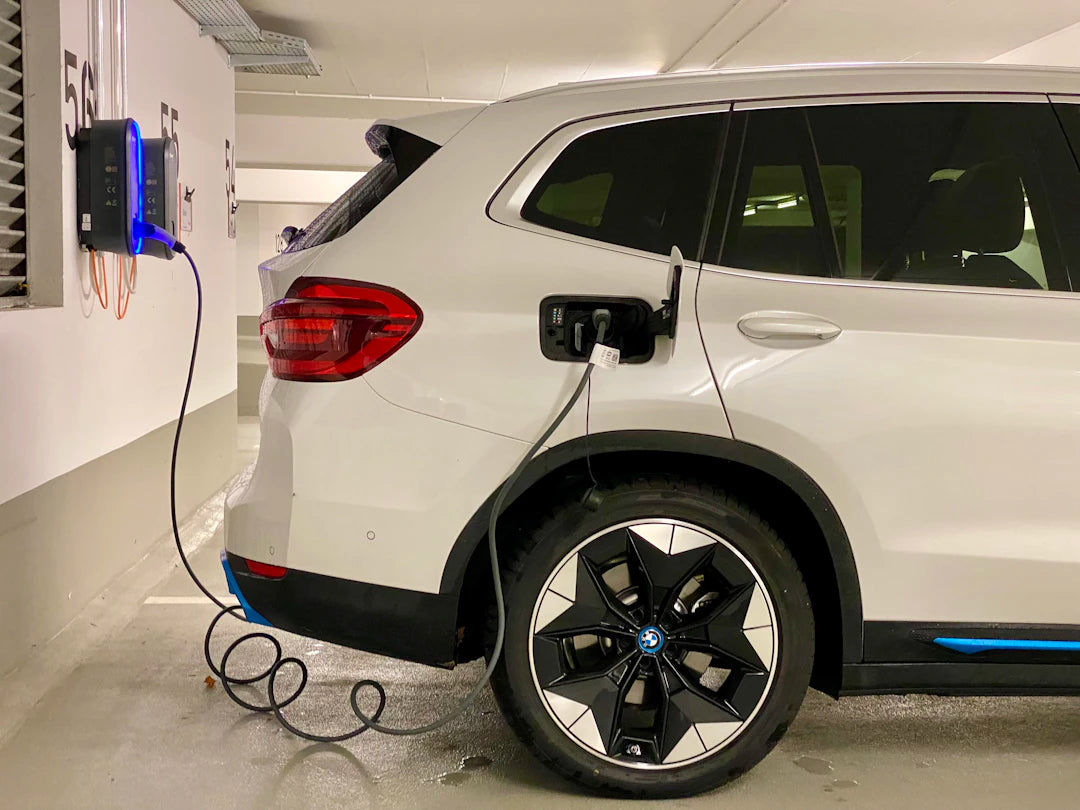
Overview
The blog discusses the intersection of electric vehicles (EVs) and renewable energy, highlighting their benefits such as reduced emissions, cost savings, and enhanced performance. It explores the role of renewable energy in promoting EV use, strategies for sustainable urban development, technological advancements, and consumer influence on the market. Challenges like infrastructure limitations and market competition are also addressed, along with a call to action for individuals to participate in the transition to sustainable transportation.
Frequently Asked Questions
1. What is the main focus of the blog post?
2. What are the advantages of electric vehicles mentioned in the article?
3. How does renewable energy contribute to electric vehicle use?
4. What are some strategies for sustainable urban development discussed in the blog?
5. What challenges do electric vehicles face for widespread adoption according to the blog?
As the world pivots toward sustainability, the intersection of the automotive industry and renewable energy is becoming increasingly prominent. In recent years, we've witnessed a surge in electric vehicles (EVs), alternative fuel technologies, and green energy solutions that are reshaping how we think about transportation. This blog post will explore the compelling relationship between these two sectors, highlighting innovations and the potential for a greener future.
The Rise of Electric Vehicles
The automotive industry has undergone a significant transformation with the advent of electric vehicles. Unlike traditional gasoline-powered cars, EVs derive their power from electric batteries, prompting a decrease in carbon emissions. This shift is crucial as climate change becomes a pressing global issue.
Why Choose Electric?
There are several advantages to choosing electric vehicles over conventional ones:
- Environmental Impact: EVs produce zero tailpipe emissions, significantly reducing air pollution.
- Cost Savings: Lower maintenance costs and cheaper fuel alternatives make EVs a financially sound choice in the long run.
- Performance: Electric vehicles often provide instant torque, resulting in a smoother and faster acceleration.
The Role of Renewable Energy
Renewable energy plays a crucial role in promoting the use of electric vehicles. The more we harness energy from sustainable sources such as solar, wind, and hydro, the greater the positive impact on the environment. Integrating renewable energy with electric vehicle charging systems presents a unique opportunity to diminish reliance on fossil fuels.
Charging Infrastructure and Renewable Energy
The expansion of electric vehicle charging stations powered by renewable energy is vital for promoting sustainable transport. Here are a few ways we can effectively integrate these two sectors:
- Solar Energy Charging Stations: By equipping EV chargers with solar panels, we can create a self-sustaining charging solution.
- Wind-Powered Charging: Wind turbines can generate energy for charging stations, especially in areas with strong wind patterns.
- Smart Grids: These systems can distribute energy evenly, ensuring that renewable resources are utilized efficiently in powering EVs.
The Impact on Urban Planning
As cities evolve, integrating electric vehicles and renewable energy into urban planning is becoming increasingly important. Future municipalities will need to consider transportation networks that favor electric mobility, ensuring eco-friendly options are available for residents.
Strategies for Sustainable Urban Development
When it comes to urban development, adopting practices that encourage the use of electric vehicles can greatly reduce the carbon footprint. Below are some effective strategies:
- Dedicated EV Lanes: Creating lanes specifically for electric vehicles can encourage more people to make the switch.
- Public Transportation Systems: Transitioning public transport to electric buses and necessary infrastructure can drastically improve air quality.
- Incentives for Renewable Energy Usage: Governments can implement incentives for using renewable energy in personal and commercial EV charging systems.
Innovative Technologies in Automotive and Renewable Energy
The marriage of technology and renewable energy in the automotive sector has led to innovative solutions that not only enhance vehicle performance but also benefit the environment. Here are some key innovations that have emerged:
Battery Technology Advancements
The heart of an electric vehicle is its battery. The past decade has seen substantial advancements in battery technology, improving energy density, longevity, and charging speed:
- Solid-State Batteries: These offer greater energy density and safety compared to traditional lithium-ion batteries.
- Fast Charging Solutions: Innovations in fast-charging technologies have made it easier for EV users to power up quickly, enhancing the convenience of EV ownership.
Vehicle-to-Grid Technology
Vehicle-to-grid technology allows electric vehicles to return stored energy back to the electric grid during peak demand times. This creates a bi-directional energy exchange that can stabilize the grid and reduce overall energy costs:
- Decentralized Energy Solutions: EVs can act as mobile storage units for renewable energy, allowing for a more efficient distribution of energy.
- Increased Grid Stability: By utilizing EV batteries, electric grids can better handle fluctuations in demand, enhancing overall stability.
The Consumer Perspective: Embracing Change
Consumer attitudes toward electric vehicles and renewable energy have also changed significantly over the past few years. A growing awareness of climate change and sustainability issues is encouraging individuals to consider eco-friendly options:
How Consumers Are Influencing the Market
With an increasing number of individuals turning toward sustainable practices, auto manufacturers are responding. Here are some ways in which consumers drive changes within the market:
- Demand for Transparency: Consumers now want to know where their energy comes from and how it impacts the environment.
- Preference for Sustainable Brands: Many buyers are now factoring sustainability into their purchasing decisions.
- Social Responsibility: Increasingly, consumers are drawn to companies that prioritize environmental sustainability in their business practices.
Challenges on the Road Ahead
While the prospects for electric vehicles and renewable energy are promising, there are still several challenges to overcome. Addressing these hurdles is crucial in making sustainable transportation more accessible and effective:
Infrastructure Limitations
One of the largest barriers to widespread EV adoption is the lack of charging infrastructure. Here are some challenges related to this:
- Insufficient Charging Stations: Many regions still lack adequate charging infrastructure, which can deter potential EV buyers.
- Range Anxiety: Concerns about the limited range of electric vehicles can prevent consumers from making the switch.
- Cost of Development: Building extensive charging networks can be expensive, requiring cooperation between governments and private sectors.
Market Competition
The traditional automotive industry faces stiff competition from electric vehicle manufacturers, leading to rapid changes in business strategies:
- Pricing Wars: The price of EVs has been a concern, and even the slightest price fluctuation can influence consumer decisions.
- Technological Race: Automakers are in constant competition to develop better, faster, and more efficient electric vehicles.
- Public Perception: Overcoming the negative perceptions of electric vehicles is essential for increasing market adoption.
The Path Forward: Sustainable Synergies
The fusion of the automotive and renewable energy sectors holds immense potential for a more sustainable future. As we continue to innovate and adapt, the synergy between these two domains can lead to groundbreaking advancements that significantly benefit our planet.
How You Can Get Involved
There are numerous ways for individuals to participate in this green revolution:
- Go Electric: Transitioning to an electric vehicle can significantly reduce your carbon footprint.
- Advocate for Renewable Energy: Support initiatives that promote renewable energy in your community.
- Educate Others: Share information about the benefits of electric vehicles and renewable energy sources to raise awareness.
Igniting Change for a Brighter Future
As we stand at the crossroads of technological innovation and environmental stewardship, the opportunity to create a sustainable transportation system is within our grasp. The intersection of automotive and renewable energy is not just an exciting prospect; it is a necessary path toward a better future. By embracing electric vehicles and championing renewable energy, we can drive significant change for generations to come.